Houston, TX Air Duct Cleaning Service & Insulation | Atticair
Cellulose insulation, while eco-friendly and effective, has several notable downsides. Its primary drawback is its susceptibility to moisture; it can absorb water, leading to reduced insulating value, sagging, and potential mold growth. Over time, it can also settle significantly, creating uninsulated gaps in walls or attics unless installed with proper density. It is generally more dusty during installation than some alternatives, which can be a concern for air quality. Furthermore, as a loose-fill material made primarily from recycled paper, it requires specialized blowing equipment for installation. For fire safety, it must be treated with fire-retardant chemicals like borates, and while effective, its long-term performance in very damp climates can be less reliable than non-absorbent materials like spray foam or mineral wool.
The average cost for cellulose insulation installation typically ranges from $1.50 to $3.50 per square foot. This translates to a total project cost of approximately $1,500 to $3,500 for a standard 1,000-square-foot attic. The final price depends on several key factors: the depth or R-value required, the accessibility of the attic or walls, whether it's a new installation or a top-up over existing material, and your geographic location. Cellulose, made from recycled paper treated with fire retardants, is a popular choice for its strong air-sealing properties and environmental benefits. Always obtain multiple quotes from certified professionals who assess your specific needs, as proper installation is crucial for performance and safety.
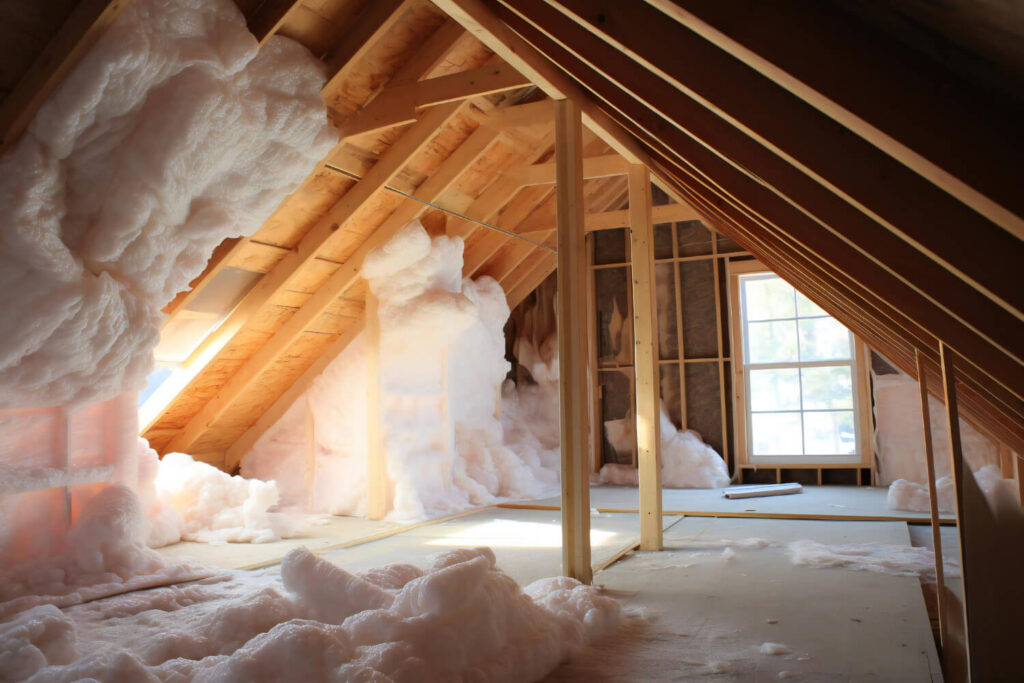
The coverage of cellulose insulation depends on its installed density and the desired R-value. For loose-fill cellulose, 25 pounds typically covers around 40 to 50 square feet at a depth of 10-12 inches (R-38 range) in an open attic. For a lower R-value like R-30, it would cover more area. Blown-in cellulose is installed to a specific thickness to achieve a target R-value, which is crucial for energy efficiency. Always check the manufacturer's bag label for exact coverage charts, as it varies by product and application method. Proper installation by a professional ensures correct density and performance, preventing settling and maintaining its insulating properties over time.
Mice do not specifically seek out cellulose insulation as a food source, but they find it an excellent material for nesting. Blown-in cellulose, typically made from recycled paper treated with fire retardants like boric acid or ammonium sulfate, is soft and easy for mice to burrow into and shred. While the boric acid can act as a mild deterrent to insects, it is generally not a strong repellent for rodents. Once mice gain access to an attic or wall cavity, they will readily use this insulation to create warm, hidden nests. To prevent infestation, it is crucial to seal all potential entry points, such as gaps around pipes, vents, and eaves, before or after insulation is installed. Proper exclusion is the most effective defense.
The cost of cellulose insulation in Houston typically ranges from $1.50 to $3.50 per square foot installed, with an average project costing between $1,500 and $3,500 for a standard attic. This price is influenced by the attic's size, accessibility, the desired R-value, and whether it's a new installation or a top-up over existing material. In Houston's hot and humid climate, achieving proper attic insulation is crucial for energy efficiency. It is highly recommended to obtain multiple quotes from certified professionals who can assess your specific needs, ensure proper ventilation is maintained to prevent moisture issues, and confirm the installation meets current building codes for optimal performance and safety.
Cellulose insulation is an excellent choice for Houston homes due to its strong thermal performance and ability to resist moisture-driven air infiltration. The "best" product typically refers to loose-fill cellulose that is densely packed into walls and attics, often achieving a higher R-value per inch than standard batts. For the local climate, it is crucial to select a cellulose insulation treated with non-toxic borate compounds for permanent fire resistance and mold/mildew inhibition. Professional installation by a certified contractor is key, as proper dense-packing techniques are required to prevent settling and maintain effectiveness over time. Always ensure the insulation meets or exceeds the current International Energy Conservation Code (IECC) standards for your specific home's zone.
20 reviews