Houston, TX Air Duct Cleaning Service & Insulation | Atticair
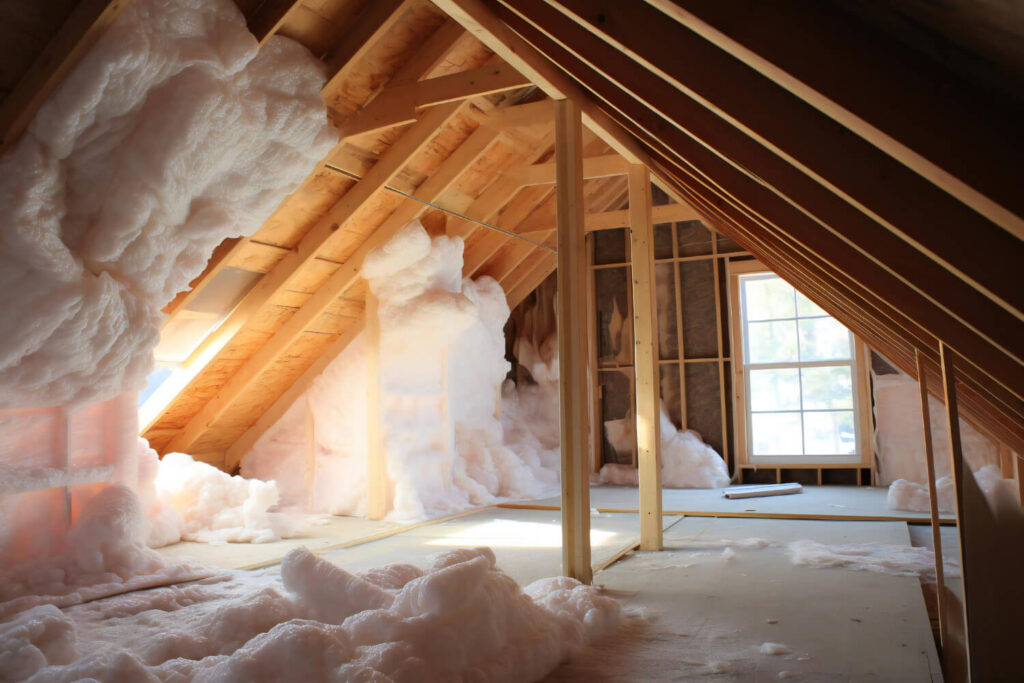
Cellulose insulation, while eco-friendly and effective, has several notable downsides. Its primary drawback is moisture absorption; cellulose can retain water, leading to reduced R-value, mold growth, and potential structural damage if not properly managed. It also settles over time, which can create uninsulated gaps in walls or attics unless installed with adequate density and compression. As a loose-fill material, it requires specialized blowing equipment and skilled installation to achieve consistent coverage. Additionally, cellulose is generally treated with fire retardants like borates, but if these chemicals degrade or are improperly applied, flammability concerns may arise. Compared to materials like fiberglass, it can be more expensive initially, though long-term energy savings may offset this.
The coverage area for 25 lbs of cellulose insulation depends on the desired R-value and the product's specific density. For loose-fill cellulose used in attics, a typical coverage is around 40 to 50 square feet at an R-value of R-13, which is common for wall cavities. If you are aiming for a higher R-value, such as R-38 for attic floors, the same 25 lbs may only cover about 15 to 20 square feet. Always check the manufacturer's bag label for precise coverage charts, as factors like installation method (blown-in vs. dense-pack) and settling over time can affect performance. Proper installation by a professional ensures optimal thermal resistance and energy efficiency.
Mice can be attracted to blown-in cellulose insulation, as it provides an ideal nesting material. The loose, fibrous nature of cellulose allows them to easily burrow and create warm, hidden nests. While cellulose itself is not a food source, it is often made from recycled paper, which rodents may shred. To deter them, it is crucial to seal all potential entry points in the attic, such as gaps around vents, pipes, and eaves, with materials like steel wool or hardware cloth. Maintaining a clean, clutter-free attic and considering professional pest-proofing as part of your insulation maintenance are key industry practices for preventing infestations.
Cellulose and rockwool are both effective insulation materials with distinct advantages. Cellulose, made from recycled paper, is praised for its excellent air-sealing properties and environmental friendliness due to high recycled content. It is often blown-in, making it ideal for retrofitting existing walls and attics. Rockwool, a mineral wool product, offers superior fire resistance, soundproofing, and moisture resilience without sagging. It is typically used in batts and is easier to install in new construction. The better choice depends on your specific project needs: cellulose for eco-friendly air sealing and cost-effectiveness in existing spaces, and rockwool for fire safety, durability, and sound control in new builds.
Project Drawdown is a comprehensive research organization that identifies and analyzes the most substantive solutions to climate change. Their work involves ranking strategies by their potential to reduce greenhouse gas concentrations in the atmosphere, focusing on practical and scalable approaches. For businesses like Atticair Duct and Insulation Cleaning, understanding these principles is valuable. Improving building efficiency through proper insulation and clean ductwork directly aligns with Drawdown's emphasis on reducing energy demand. This not only lowers carbon footprints but also enhances indoor air quality and operational savings, supporting broader environmental goals while meeting industry standards for health and sustainability.
20 reviews