Houston, TX Air Duct Cleaning Service & Insulation | Atticair
Cellulose insulation, while an eco-friendly and effective material, has several notable downsides. Its primary disadvantage is its susceptibility to moisture; cellulose can absorb water, leading to reduced insulating value, potential mold growth, and settling over time, which creates gaps. It also requires specialized installation with proper dense-packing techniques to be effective, as improper installation exacerbates settling issues. From a safety perspective, although modern cellulose is treated with fire retardants, it is still considered more combustible than non-organic materials like fiberglass or mineral wool. Additionally, in very loose-fill applications, it can be dusty during installation. For long-term performance, ensuring a perfectly dry and sealed environment is crucial, which may not be feasible in all attic or wall scenarios.
The cost to install cellulose insulation typically ranges from $1,50 to $3,50 per square foot, with the national average for a standard project falling between $1,700 and $2,400. The final price depends heavily on the area's square footage, the desired R-value (depth), and the home's accessibility. Blown-in cellulose for an open attic is generally the most cost-effective application. Additional factors include local labor rates, whether old insulation needs removal, and the complexity of the installation, such as working around obstructions or in wall cavities. For an accurate estimate, it is essential to get a professional assessment that measures your specific space and discusses your energy efficiency goals.
The coverage of cellulose insulation depends on its installed density and the desired R-value. For loose-fill cellulose, 25 pounds typically covers around 40 to 50 square feet at a depth of 10-12 inches (R-38), which is standard for attic floors. For wall cavities or dense-pack applications, the coverage area is significantly less due to higher density—often around 15-20 square feet. Always check the manufacturer's bag label for specific coverage charts based on R-value. Professional installation ensures proper density and thermal performance, as under-filling reduces effectiveness and over-filling can cause settling issues. An energy audit can determine the precise amount needed for your specific project.
Mice do not inherently hate cellulose insulation. In fact, cellulose insulation, which is primarily made from recycled paper treated with fire retardants like boric acid or ammonium sulfate, can be attractive to rodents. The material is soft and can be easily shredded for nesting. However, the boric acid treatment can act as a mild deterrent and irritant to pests, potentially making it less appealing than completely untreated materials. It is not a guaranteed rodent barrier. To prevent infestations, industry standards emphasize sealing all entry points in the attic and walls with materials like steel wool or hardware cloth before installing any insulation. Proper home sealing is far more critical for rodent control than the specific type of insulation chosen.
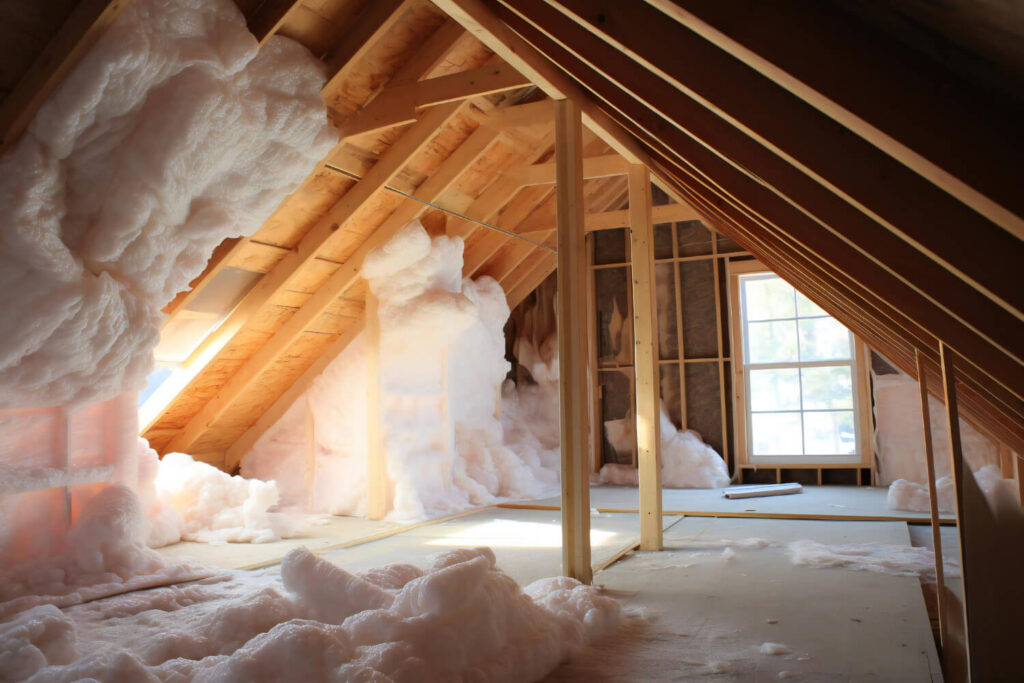
Cellulose insulation is a popular choice for homes in The Woodlands, Texas, due to its eco-friendly composition and effective thermal performance. Made primarily from recycled paper treated with fire retardants, it offers strong resistance to heat flow, which is crucial for managing the region's hot and humid climate. Proper installation by professionals like Atticair ensures it fills cavities completely, reducing air leaks and improving energy efficiency. It also provides good sound dampening. However, in areas prone to high moisture, ensuring adequate ventilation is key to prevent potential settling or mold issues. Regular inspections can help maintain its R-value and overall effectiveness over time.
Cellulose insulation is a popular choice in The Woodlands due to its eco-friendly composition and effective thermal performance. For the best cellulose insulation, look for products with a high recycled content and a Class 1 Fire Safety Rating, which is achieved through treatments like borate. Key factors for optimal performance include proper density during installation—typically around 3.5 to 4.0 pounds per cubic foot for blown-in applications in attics and walls—to prevent settling and maintain R-value. It is crucial to have a professional assess your home's specific needs, as proper air sealing and ventilation are essential to prevent moisture issues and maximize energy efficiency in the local humid climate.
20 reviews