Houston, TX Air Duct Cleaning Service & Insulation | Atticair
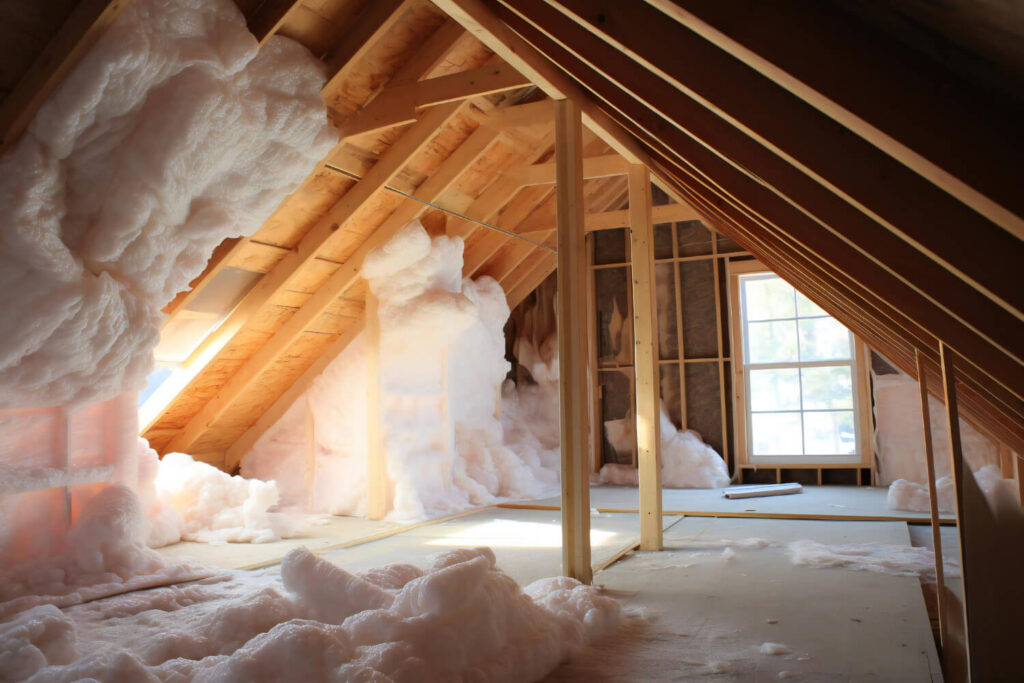
Cellulose insulation, while eco-friendly and effective at air sealing, has several notable downsides. Its primary drawback is moisture sensitivity; cellulose readily absorbs water, which can lead to reduced R-value, mold growth, and structural damage if it gets wet. It also has a tendency to settle over time, creating uninsulated gaps in walls or attics unless installed at a higher initial density. Furthermore, as a loose-fill material made primarily from recycled paper, it is a potential dust irritant during installation and can be a fire hazard unless treated with fire-retardant chemicals like borates. For long-term performance in humid climates or areas prone to leaks, other insulation types like fiberglass or spray foam may offer more durable moisture resistance.
The cost to install cellulose insulation typically ranges from $1,50 to $3,50 per square foot, with the national average for a standard project often falling between $1,700 and $2,400. This price is influenced by several key factors. The primary determinants are the area's square footage and the desired R-value, which measures thermal resistance; higher R-values for better performance increase material costs. Accessibility of the installation area, such as open attics versus enclosed walls, significantly impacts labor time. Your geographic location and local labor rates also play a role. Cellulose is often a cost-effective choice for retrofitting existing homes, as it can be densely packed into cavities. For an accurate estimate, it is highly recommended to obtain a professional assessment from a qualified insulation contractor who can evaluate your specific home and regional climate needs.
Spray foam insulation can make a house harder to sell due to several key concerns that may arise during a buyer's inspection or from their own research. A primary issue is the potential for improper installation; if not mixed or applied correctly, it can fail to cure properly, leading to off-gassing of volatile organic compounds (VOCs) and persistent odors. Furthermore, it creates an extremely tight seal, which can trap moisture if the home lacks adequate ventilation, raising risks for mold and wood rot. Some buyers are also wary because spray foam can complicate future renovations or electrical work by being difficult to remove. While high-quality, professionally installed spray foam is excellent for energy efficiency, these perceived risks can make buyers hesitant and potentially affect the home appraisal, requiring sellers to provide detailed documentation on the installation to reassure potential buyers.
The coverage of cellulose insulation depends on its installed density and the desired R-value. For loose-fill cellulose, 25 pounds typically covers around 40 to 50 square feet at a depth of 10-12 inches (R-38), which is standard for attic floors. For wall cavities or dense-pack applications, the same weight covers significantly less area—often only 10-15 square feet—because it is compressed to a higher density to prevent settling and ensure proper thermal performance. Always check the manufacturer's bag label for specific coverage charts based on the target R-value for your climate zone. Proper installation by a professional ensures optimal coverage and energy efficiency.
Cellulose insulation is a popular choice in Sugar Land due to its eco-friendly composition of recycled paper and effective thermal performance. Reviews from local homeowners often highlight its superior ability to fill cavities and reduce air leakage, leading to noticeable energy savings. Many appreciate its fire-retardant treatment and sound-dampening qualities. When evaluating reviews, look for consistent praise regarding professional installation, as proper dense-packing is crucial for performance. Some may note concerns about settling over time or moisture sensitivity, which underscores the importance of hiring a certified contractor like Atticair who ensures correct density and ventilation. Overall, cellulose receives positive reviews in the Sugar Land climate for its balance of cost, efficiency, and environmental benefits.
Koala cellulose insulation is a popular choice in Sugar Land due to its eco-friendly properties and effective thermal performance. Made from recycled paper treated with fire retardants, it offers excellent energy efficiency by reducing heat transfer and air leakage. In Sugar Land's humid climate, proper installation is crucial to prevent moisture issues, which can compromise insulation effectiveness and lead to mold growth. Homeowners should ensure it is installed at the correct density and thickness, typically around R-3.5 per inch, to meet local building codes. Regular inspections by professionals like Atticair can help maintain its performance, ensuring long-term savings on energy bills and improved indoor comfort.
Cellulose insulation is a popular choice in Sugar Land due to its eco-friendly composition and effective thermal performance. For the best results, homeowners should look for cellulose insulation that is treated for fire and pest resistance, a standard for modern installations. It should have a high R-value, typically R-3.2 to R-3.8 per inch, to combat the local heat and humidity. Professional installation is crucial, as proper dense-packing in walls or attic floors eliminates gaps and ensures maximum energy efficiency. Always verify the material meets industry standards like those from the Cellulose Insulation Manufacturers Association (CIMA) and is installed by a certified professional to guarantee safety and optimal performance for your home.
Cellulose insulation costs in Sugar Land typically range from $1.50 to $3.50 per square foot installed, depending on the project's scope and existing conditions. This loose-fill material is popular for its strong thermal performance and sound-dampening qualities. Key factors influencing the final price include the attic's square footage, the desired R-value (depth), and the complexity of the installation, such as needing to remove old insulation or navigate tight spaces. For an accurate estimate, homeowners should schedule a professional assessment. A certified technician can evaluate the attic, recommend the proper R-value for our climate, and provide a detailed quote that ensures optimal energy efficiency and coverage.
20 reviews