Houston, TX Air Duct Cleaning Service & Insulation | Atticair

Cellulose Insulation in Seabrook

    Cellulose insulation will be a great solution to make the best use of the energy efficiency of your home as well as increase the year-round comfort. You are aware of the importance of ensuring that your home is cool in summer and warm in winter, as a homeowner in Seabrook. Making use of the cellulose insulation, you can easily regulate the temperatures inside the house, conserve energy and still have a cozy environment without having to strain the wallet.

    Cellulose insulation, which is a recycled paper product, is a green, inexpensive product to insulate homes during the construction process as well as during renovations. It provides insulation against heat loss during winter and unwanted heat during the summer and, therefore, your HVAC system does not need to work overtime. We have a superior team of professionals who offer high-quality cellulose insulation services in Seabrook, which are known to have a long service period, are durable and save energy throughout the year.

    Professional Cellulose Insulation Services

    Our business is that of insulating homes in Seabrook with cellulose insulation depending on the requirements of your home. Each property is different, and this is the reason why we will spend some time carefully analysing the insulation of your home. We recommend the most appropriate cellulose insulation strategy after inspecting the size, layout and your comfort objectives to guarantee that your energy efficiency and comfort will be maximized years to come.

    Our services include

    Attic Cellulose Insulation

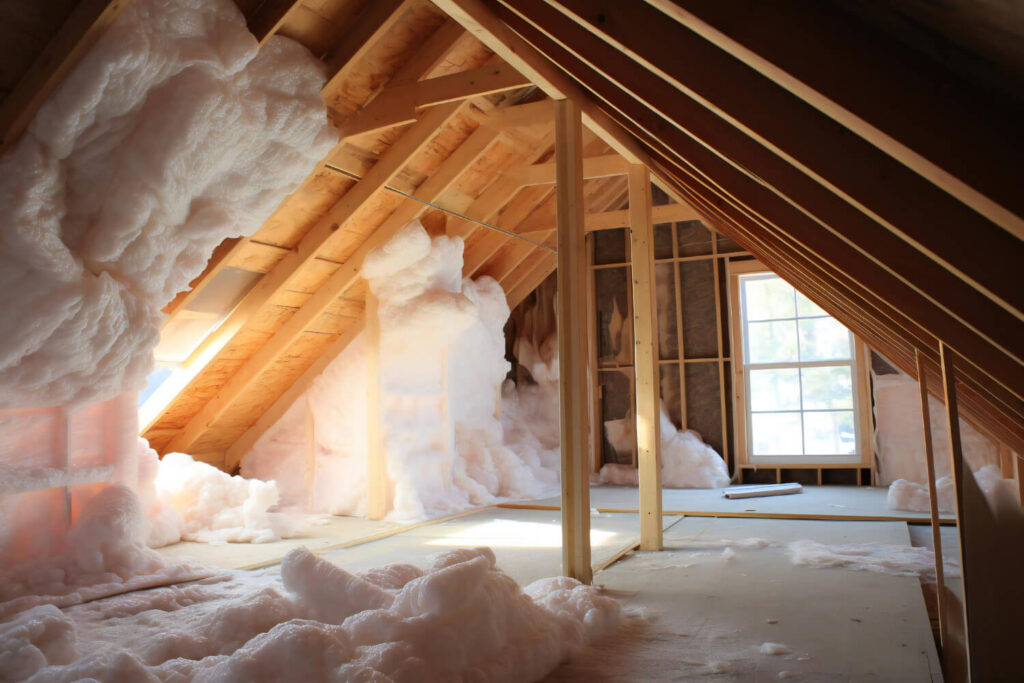
    Cellulose insulation of your attic aids in closing any attic gaps that will allow the heat to escape in winter and the cool air to remain inside during summer. Having the right attic insulation will enhance the general comfort of your home, decrease energy use and stabilize your indoor temperature. It also minimizes chances of moisture accumulation, molding and structural damages hence a healthier living environment. The cellulose insulation gives you the opportunity to make your HVAC system not work overtime, and you will eventually reduce energy bills.

    Wall Cellulose Insulation

    Installation of cellulose insulation in walls helps to avoid loss or penetration of heat in or out of your house. This makes your heating and cooling systems more efficient in conserving energy since you do not need to keep on varying the temperature of the indoors. Cellulose insulation also assists in regulating the moisture rendering in your walls, reducing drafts and extinguishing moisture-related problems indoors which make your home more comfortable and your energy bills lower.

    Garage & Exterior Wall Insulation

    Insulating your garage and outside walls with cellulose will also greatly solve the amount of heat that enters your home in the outside environment. This is necessary particularly during the hot humid summer of Seabrook. It also keeps a steady temperature inside, which minimizes the effort required of your heating and cooling machine. Cellulose insulation can be placed in the exterior walls, and it will save energy and at the same time provide a barrier against the destructive influence of moisture and humidity which can weaken your home in the long run.

    Crawl Space & Basement Cellulose Insulation

    Crawl space and basements are not given much attention regarding insulation yet they contribute significantly to the energy efficiency of your home. Cellulose insulated panels can be used on these areas to prevent drafts, moisture ingress and heat loss to keep your home warmer in winter and cooler in summer. It is also resistant to mold and mildew which may result in permanent structural damage. When these spaces are properly insulated, you are guaranteeing a healthier indoor environment and the load to your heating and cooling systems will be less.

    Client Reviews

    Our services

    Why Choose Us for Cellulose Insulation?

    Insulation It is quite crucial that you select the appropriate insulation contractor in order to make your home energy efficient and comfortable. The improper installation may give rise to air leakages, gaps, and increase in energy expenditure. The team members are all experienced in the field of Seabrook homes and the climate issues of the region that are specific. Our cellulose insulations are of top quality offering the best services with materials of the highest quality.

    Here’s why homeowners in Seabrook trust us with their insulation needs:

    Zip Codes we serve in Seabrook

    Service Areas

    Get a Free Estimate for Cellulose Insulation Installation

    Are you willing to make your house more energy-saving and cut down on your utility bills? Call us today in order to get a free, no-obligation estimate of installing cellulose insulation. The team will assist you with finding out how a cellulose insulation might be used to transform your Seabrook home into a more comfortable, quieter, and energy efficient home in any season. We will start working on your insulation project today!

    People Also Ask

    Cellulose insulation, while eco-friendly and effective at air sealing, has several notable downsides. Its primary drawback is moisture sensitivity; cellulose readily absorbs water, which can lead to reduced R-value, compaction, mold growth, and structural damage if it gets wet. It also settles over time, potentially creating uninsulated gaps if not installed with proper density. As a loose-fill material, it can be dusty during installation, requiring proper safety gear. Furthermore, it is generally more susceptible to fire than non-organic materials like fiberglass or mineral wool, though modern treatments with fire retardants (borates) mitigate this risk significantly. Professional installation is crucial to ensure correct density and to address these potential issues effectively.

    Mice do not hate cellulose insulation; in fact, they may find it an attractive nesting material. Cellulose insulation, typically made from recycled paper treated with fire-retardant chemicals like borates, is not a rodent repellent. While the borates can offer some mild deterrent properties due to their taste, they are not potent enough to reliably prevent infestation. Mice can and will tunnel through cellulose to create nests, compromising its insulating value and potentially causing damage. For effective rodent control, the primary strategy should be exclusion—sealing all potential entry points in the attic and walls with materials like steel wool, hardware cloth, or spray foam. Proper installation and maintaining a clean, clutter-free attic are more critical for prevention than relying on the insulation type itself.

    The cost of cellulose insulation varies based on factors like project size, location, and installation method. On average, homeowners can expect to pay between $1.50 and $3.50 per square foot for professional installation of blown-in cellulose. For a typical attic, total costs often range from $1,500 to $3,500. Cellulose is generally considered a cost-effective option, offering strong thermal performance and sound dampening at a lower price point than some other materials like spray foam. However, the final price depends on the desired R-value, accessibility of the space, and whether existing insulation needs removal. It is recommended to obtain multiple quotes from certified professionals for an accurate estimate tailored to your specific home.

    Cellulose and rockwool are both effective insulation materials, but they have distinct properties. Cellulose, made from recycled paper treated with fire retardants, is excellent for air sealing in existing walls and attics due to its dense packing, which reduces air infiltration. Rockwool, a mineral wool product, offers superior fire resistance, soundproofing, and moisture resilience, as it does not absorb water. For thermal performance, both have similar R-values per inch, but rockwool maintains its R-value better in damp conditions. The choice often depends on the specific application: cellulose is often favored for retrofit projects for its air-sealing benefits, while rockwool is preferred in areas requiring high fire safety or moisture management, like basements or around chimneys. Professional assessment is recommended to determine the best fit for your home's needs.

    Google

    Overall Rating

    5.0
    ★★★★★

    20 reviews