Houston, TX Air Duct Cleaning Service & Insulation | Atticair
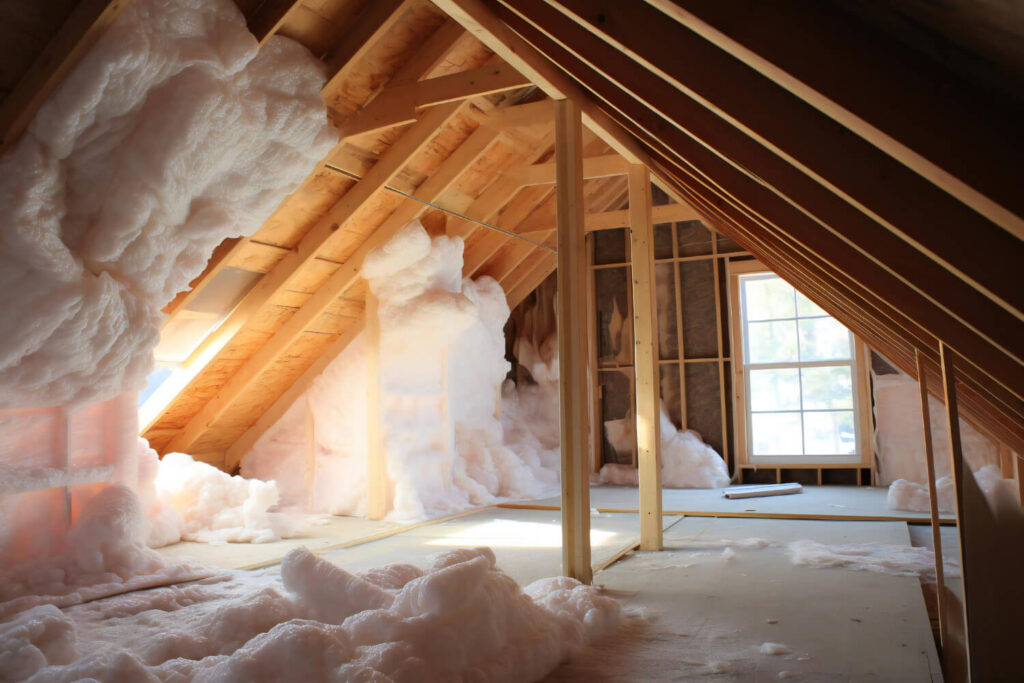
Cellulose insulation, while eco-friendly and effective, has several notable downsides. Its primary drawback is its susceptibility to moisture; it can absorb water, leading to reduced insulating value, compaction, and potential mold growth. Over time, it may also settle significantly, creating uninsulated gaps in walls or attics. It is generally more dust-prone during installation than some alternatives, requiring proper safety gear. Furthermore, as a loose-fill material, it can be challenging to install in existing closed walls without modifications. Although treated for fire resistance, its fire retardant chemicals can settle or degrade, and it typically has a slightly lower R-value per inch compared to materials like spray foam, meaning greater thickness may be needed for equivalent performance.
The cost of cellulose insulation varies based on project size, location, and installation method. On average, homeowners can expect to pay between $1.00 and $1.50 per square foot for blown-in cellulose when installed professionally in an open attic. For a typical 1,500-square-foot attic, total costs often range from $1,500 to $2,250. This includes materials and labor. Cellulose is made from recycled paper treated with fire retardants, offering an eco-friendly option with good thermal and soundproofing performance. Factors like attic accessibility, desired R-value, and existing insulation removal can affect the final price. Always obtain multiple quotes from certified professionals to ensure proper installation and accurate pricing for your specific home.
The cost to insulate a 1000 sq ft area varies significantly based on the insulation type, material, and labor. For a standard attic or walls, you can expect a broad range. Using common materials like fiberglass batts, costs might average between $1,000 to $2,500 for a DIY project. For professional installation of higher-performance materials like spray foam or cellulose, the price can range from $1,500 to $4,000 or more. Key factors include the R-value (thermal resistance) required for your climate zone, the accessibility of the space, and whether old insulation needs removal. Always obtain multiple estimates from certified professionals who assess your specific needs for optimal energy efficiency and safety.
Mice can and do nest in cellulose insulation, as it provides an attractive material for burrowing and warmth. Cellulose, typically made from recycled paper treated with fire retardants, is less resistant to pests compared to some materials like spray foam. Mice can tear it apart to create nesting sites, potentially compromising its insulating value and creating pathways for air leakage. To deter them, it is crucial to seal all potential entry points in the attic and walls first. While cellulose itself isn't a food source, the borate treatments used for fire and mold resistance may offer some mild deterrent effect, but they are not a guaranteed rodent barrier. Professional assessment and exclusion are the best defenses.
Cellulose insulation is a popular choice for homes in Baytown, Texas, due to its eco-friendly composition of recycled paper and strong thermal performance. It effectively reduces heat transfer, which is crucial for managing energy costs in the region's humid, subtropical climate. Proper installation by a certified professional is essential to achieve the recommended R-value and ensure it fills all cavities and voids completely, preventing air leaks. In Baytown, addressing moisture control is also vital, as cellulose can absorb moisture; using vapor barriers or treated, mold-resistant cellulose helps mitigate this risk. Regular inspections after installation can maintain its efficiency and longevity, supporting year-round comfort and lower utility bills.
The cost of cellulose insulation in Baytown, Texas, typically ranges from $1.50 to $3.50 per square foot installed, depending on the project's scope and specific home factors. This loose-fill or dense-pack insulation is valued for its eco-friendly recycled content and strong thermal performance. Key cost variables include the home's square footage, the desired R-value (recommended levels for our region), accessibility of attic or wall cavities, and the removal of any old, compromised insulation. For an accurate estimate, a professional assessment from a company like Atticair is essential. We evaluate your attic's current condition, measure the area, check for air leaks, and recommend the proper depth and density to maximize energy efficiency and meet local building codes, ensuring you receive a fair price for quality, long-lasting results.
20 reviews