Houston, TX Air Duct Cleaning Service & Insulation | Atticair
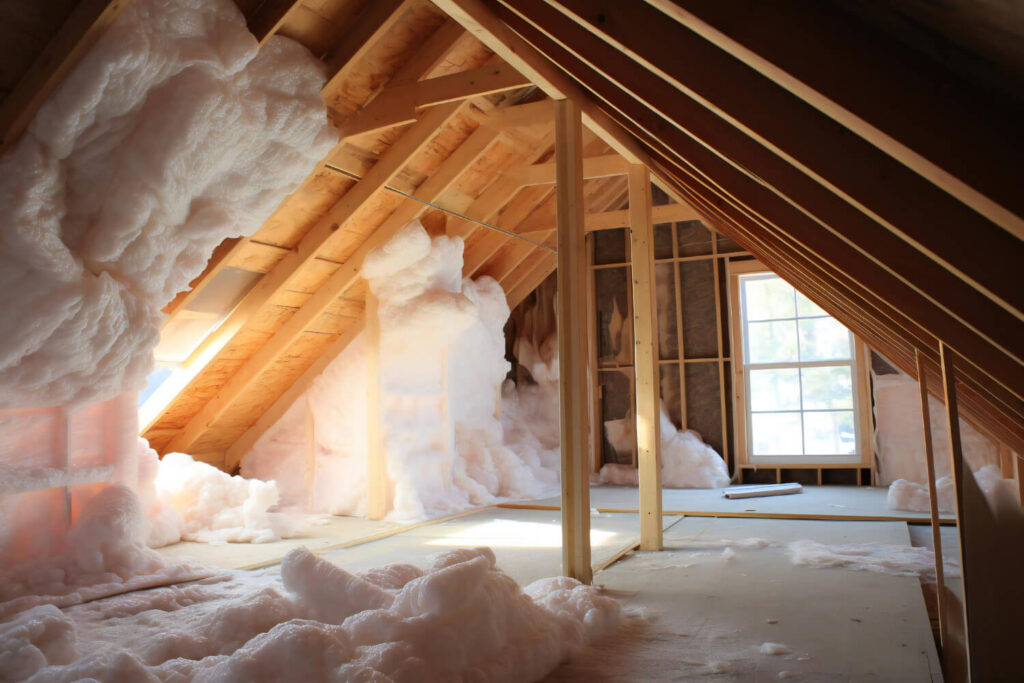
Cellulose insulation, while eco-friendly and effective at filling cavities, has several notable downsides. Its primary drawback is moisture sensitivity; cellulose readily absorbs water, which can lead to reduced R-value, mold growth, and structural damage if a leak occurs. It also settles significantly over time, creating uninsulated gaps at the top of walls or attics unless installed with proper density. As a loose-fill material, it can be dusty during installation, requiring proper safety gear. Furthermore, it is generally more susceptible to fire than non-organic materials like fiberglass or mineral wool, despite being treated with fire retardants. For long-term performance, proper installation by a professional to manage settling and ensure adequate ventilation to control moisture is critical.
The cost to install cellulose insulation typically ranges from $1 to $1.50 per square foot for materials and labor in an open attic, with total project costs often falling between $1,500 and $3,500 for an average home. Key factors influencing price include the home's square footage, the desired R-value (depth), regional labor rates, and the accessibility of the installation area. Cellulose, made from recycled paper treated for fire resistance, is a cost-effective and eco-friendly option for improving thermal performance. Professional installation via dense-pack or blown-in methods is crucial to achieve proper coverage and air sealing, which maximizes energy savings and return on investment. Always obtain multiple detailed quotes from certified contractors.
The coverage area for cellulose insulation depends on the desired R-value and the installation method. For loose-fill cellulose, a 25-pound bag typically covers around 40 to 50 square feet when blown to achieve an R-value of R-38, which is a common standard for attic floors in many climate zones. If you are aiming for a higher R-value, the coverage area will be less. It is crucial to check the manufacturer's coverage chart on the specific product bag, as density and settling rates can vary. Professional installation ensures proper density and coverage to meet energy efficiency standards and building codes. Always consult with an insulation expert to determine the exact amount needed for your specific project.
Mice can be attracted to blown-in cellulose insulation, as it provides an ideal nesting material. The loose, fibrous nature of cellulose allows rodents to easily burrow and create warm, hidden nests within walls and attics. While cellulose itself is not a food source, it is often made from recycled paper, which mice may shred. To deter infestation, it is crucial to combine insulation with comprehensive rodent-proofing: sealing all exterior entry points with materials like steel wool or hardware cloth, maintaining clean and uncluttered attic spaces, and considering professional pest control measures. Proper installation of insulation, ensuring it is dense and fills cavities completely, can also make it less hospitable.
The cost of cellulose insulation in Mission Bend typically ranges from $1.50 to $3.50 per square foot installed, depending on the project's scope and specific home factors. This includes material and professional labor. Key cost determinants are the home's square footage, the desired R-value (depth of insulation), accessibility of the attic or walls, and whether it's a new installation or a top-up over existing material. Cellulose is a popular, eco-friendly choice made from recycled paper, offering excellent thermal performance and sound dampening. For an accurate quote tailored to your home, it is best to schedule a professional assessment with a local, certified insulation contractor who can evaluate your attic's current condition and specific needs.
Cellulose insulation is a popular choice for homes in Mission Bend, Houston, due to its eco-friendly composition of recycled paper and effective thermal performance. It is often blown into attics and wall cavities, providing a dense barrier that reduces heat transfer and can lower energy bills. In Houston's humid climate, proper installation is critical to prevent moisture retention, which can compromise its R-value and lead to mold. Homeowners should ensure the material is treated with fire retardants and installed by professionals to achieve uniform coverage without gaps or settling. Regular attic inspections can help maintain its effectiveness, and combining it with adequate ventilation is key to preventing moisture-related issues in the local weather conditions.
Central Valley insulation is a critical component for maintaining energy efficiency and indoor comfort in homes and businesses throughout California's Central Valley. This region experiences extreme temperature fluctuations, with hot summers and cool winters, making proper insulation essential. High-quality insulation in attics, walls, and crawl spaces helps regulate indoor temperatures, reducing the strain on HVAC systems and lowering utility bills. It also minimizes moisture intrusion and improves air quality. For optimal performance, insulation should be installed to meet or exceed local building codes and R-value recommendations. Regular inspections by professionals like Atticair can identify settling, damage, or gaps that compromise effectiveness, ensuring your property remains protected year-round.
20 reviews