Houston, TX Air Duct Cleaning Service & Insulation | Atticair
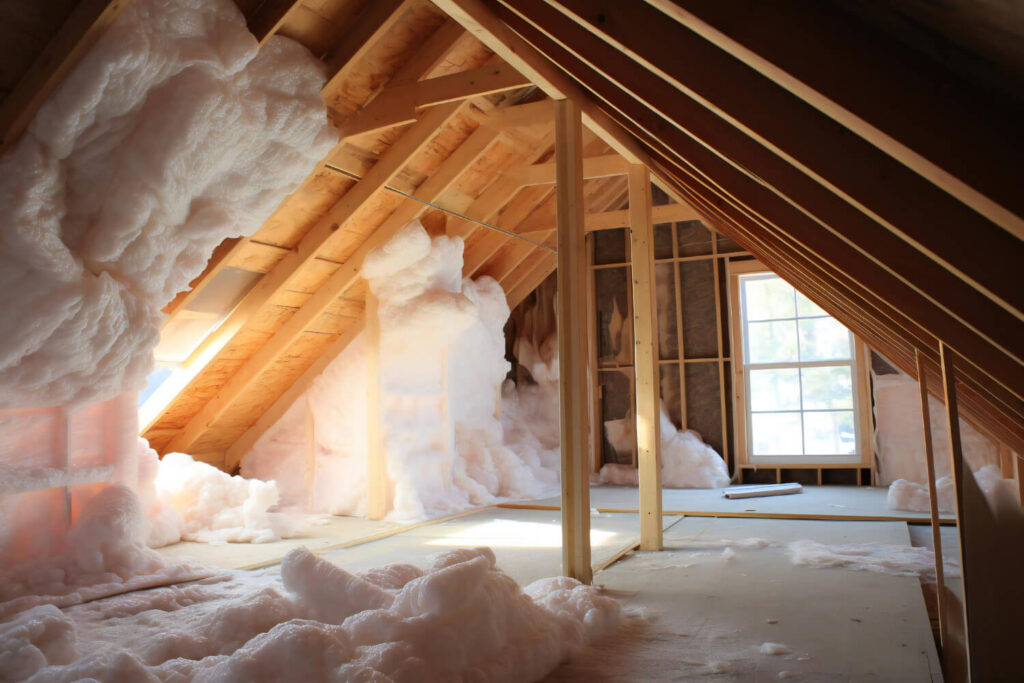
Cellulose insulation, while eco-friendly and effective, has several notable downsides. Its primary drawback is its susceptibility to moisture; it can absorb water, leading to reduced insulating value, sagging, and potential mold growth. Over time, it can also settle significantly, creating uninsulated gaps in walls or attics that compromise thermal performance. As a loose-fill material, it requires skilled installation to achieve proper density. Furthermore, although treated with fire retardants like borates, these chemicals can settle or degrade, potentially diminishing fire resistance. For homes with existing cellulose, professional assessment is crucial to ensure it hasn't compacted or become damp, which are common issues that necessitate remediation or replacement to maintain energy efficiency and indoor air quality.
The coverage area for cellulose insulation depends on the desired R-value and the installation method. For loose-fill cellulose, a 25-pound bag typically covers around 40 to 50 square feet when blown to achieve an R-value of R-38, which is a common standard for attic floors in many climate zones. If you are aiming for a higher R-value, the coverage area will be less. It is crucial to check the manufacturer's specific coverage chart on the bag, as density and settling rates can vary. Professional installation ensures proper density and coverage to meet energy code requirements and prevent thermal bridging. Always consult local building codes for the recommended R-value in your area.
The cost to spray cellulose insulation in a 2000 square foot attic typically ranges from $1,500 to $3,500, with a national average around $2,500. This price is influenced by several key factors. The existing insulation depth and desired R-value are primary cost drivers; achieving a higher R-value (like R-38 or R-49) requires more material, increasing the price. The attic's accessibility and complexity, such as the presence of obstructions or low clearance, can add labor time. Your geographic location also affects material and labor rates. The project cost generally includes professional installation, which ensures proper air sealing and even application for optimal thermal performance and energy savings. Always obtain detailed, written estimates from licensed and insured contractors.
Mice do not hate cellulose insulation; in fact, they can nest in it. Cellulose insulation, typically made from recycled paper treated with fire-retardant chemicals like boric acid, offers some deterrent properties. The boric acid can irritate pests and has mild repellent effects, but it is not a guaranteed or complete barrier. Mice are resourceful and will often chew through or burrow into cellulose to create warm, sheltered nests. For true rodent prevention, cellulose should be part of a broader strategy that includes sealing all entry points with materials like steel wool or metal flashing and maintaining overall attic integrity. Professional insulation services can ensure proper installation and recommend integrated pest control solutions.
Cellulose insulation is a popular choice in Santa Fe due to its excellent thermal performance and suitability for the region's climate. Reviews from local homeowners and contractors often highlight its effectiveness in creating a tight thermal envelope, which is crucial for managing both cold winters and warm summers. The material's high recycled content and fire-retardant properties are also frequently praised. When considering cellulose insulation, it is essential to ensure it is professionally installed at the correct density to prevent settling and maintain its R-value over time. For any insulation project, obtaining multiple quotes and verifying a contractor's experience with blown-in cellulose is a recommended best practice to ensure quality and long-term energy savings.
The cost of cellulose insulation in Santa Fe typically ranges from $1.50 to $3.50 per square foot installed, depending on the project's scope and specific conditions. This price includes materials and professional labor for blowing the insulation into attics or wall cavities. Key factors influencing the final cost are the home's size, the desired R-value, the accessibility of the installation area, and whether existing insulation needs removal. Cellulose is a popular, eco-friendly choice made from recycled paper, offering excellent thermal performance and fire resistance when properly treated. For an accurate estimate, homeowners should obtain a professional assessment from a certified insulation contractor who can evaluate the attic's current condition and recommend the correct depth and density for optimal energy efficiency.
When considering the best cellulose insulation for homes in Santa Fe, it's important to focus on high-density, borate-treated products designed for the region's high desert climate. These materials offer superior resistance to fire, pests, and mold, which is crucial for Santa Fe's dry conditions and temperature swings. Look for cellulose with a high R-value per inch, typically R-3.6 to R-3.8, to ensure effective thermal performance in both hot summers and cold winters. Professional installation via dense-pack or wet-spray methods is key to achieving a seamless, airtight barrier that prevents heat loss and reduces energy bills. Always consult with a certified local insulation contractor who understands Santa Fe's specific building codes and can ensure proper application in attics and wall cavities for maximum efficiency and comfort.
20 reviews