Houston, TX Air Duct Cleaning Service & Insulation | Atticair
The cost to install cellulose insulation typically ranges from $1,50 to $3,50 per square foot, with the national average for a standard project falling between $1,700 and $2,400. Several key factors influence the final price. The primary considerations are the size of the area to be insulated (attic, walls, or crawl space) and the desired R-value, which measures thermal resistance. Accessibility of the space, local labor rates, and whether old insulation needs removal also significantly impact cost. Cellulose is often a cost-effective choice for retrofitting existing walls through a dense-pack method, which can be more expensive than simple attic blowing but provides excellent air sealing. For an accurate quote, it is always best to schedule a professional assessment from a certified installer who can evaluate your specific home's needs.
Cellulose insulation, while eco-friendly and effective, has several notable disadvantages. Its primary drawback is moisture absorption; cellulose can retain water, leading to reduced insulating value, potential mold growth, and structural damage if not properly managed. It also settles over time, which can create uninsulated gaps in walls or attics if not installed with adequate density. As a loose-fill material, it requires specialized blowing equipment and skilled installation to achieve proper coverage. Furthermore, cellulose is generally treated with fire retardants like borates, but if these chemicals are not uniformly applied or degrade, the material can pose a fire hazard. Compared to some alternatives, its R-value per inch is slightly lower, meaning thicker layers may be needed for equivalent performance.
The coverage of cellulose insulation depends on its installed density and the desired R-value. For loose-fill cellulose, 25 pounds typically covers around 40 to 50 square feet at a depth of 10-12 inches (approximately R-38) in an open attic. For a lower R-value like R-19, it would cover roughly 80-100 square feet. Coverage can vary based on the manufacturer's specifications, the framing of your attic, and whether it's a new installation or being added over existing material. It is crucial to consult the product's bag label for exact coverage charts and to achieve proper depth for the target R-value, as insufficient insulation compromises energy efficiency. Professional installation ensures correct density and coverage.
Mice can be attracted to blown-in cellulose insulation, as it provides a soft, loose material ideal for nesting and burrowing. While cellulose itself is not a food source, it is often made from recycled paper, which rodents may shred. The material does not deter mice on its own. To prevent infestation, it is crucial to seal all potential entry points, such as gaps around pipes, vents, and the foundation, before installation. For added protection, some homeowners opt for insulation treated with borates, which can offer some resistance to pests. Regular attic inspections are recommended to detect and address any signs of mice early, ensuring your insulation's performance and home's integrity remain uncompromised.
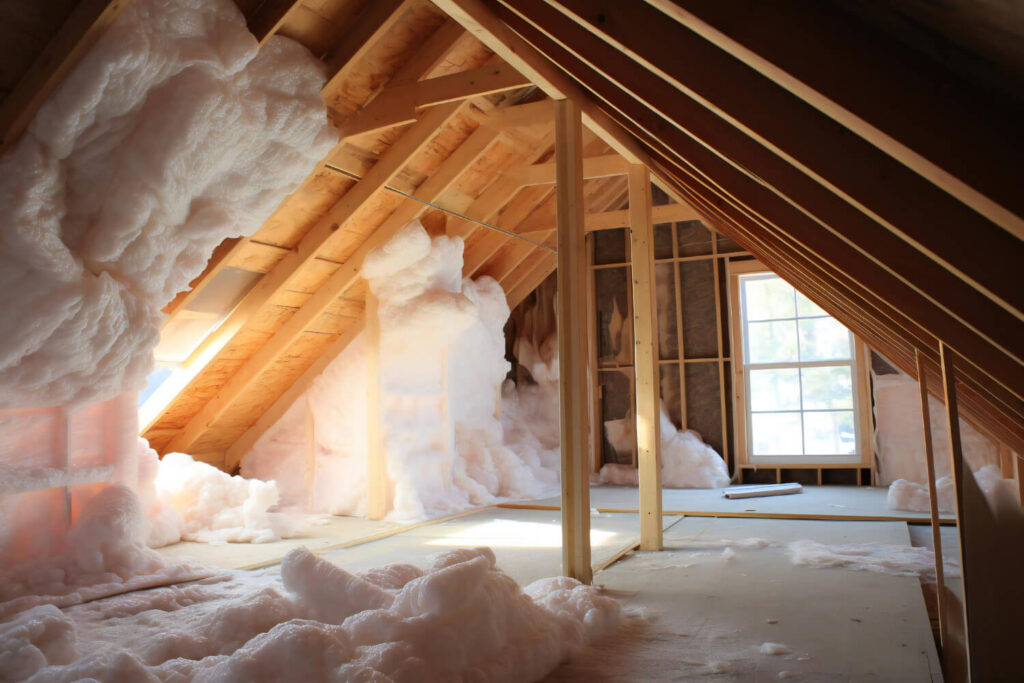
Cellulose insulation is a popular choice for homes in Northern California due to its excellent thermal performance and fire-resistant properties, often treated with borate. In this region's varied climate, proper installation is critical to prevent moisture issues, which can compromise effectiveness and lead to mold. It is typically blown into attics and wall cavities to create a dense, seamless barrier that reduces air leakage. Homeowners should ensure the insulation has the correct R-value for their specific zone and that any existing ventilation is not blocked. For optimal results and to address any settling over time, consulting with a professional service like Atticair for assessment and installation is recommended to ensure safety and energy efficiency.
Cellulose insulation, made from recycled paper treated with fire retardants like boric acid, is generally safe when properly installed. However, potential dangers exist. The primary risk is from the inhalation of fine dust during installation or disturbance, which can irritate the respiratory system, eyes, and skin. While the fire retardants are crucial for safety, direct and prolonged exposure to the borate compounds before installation can be a concern. A significant hazard arises if the insulation gets excessively wet, as this can lead to mold growth and a loss of its fire-resistant properties. To mitigate risks, professional installers use protective equipment like masks and goggles and ensure the material is kept dry. Following building codes and manufacturer guidelines is essential for safe, long-term performance.
20 reviews