Houston, TX Air Duct Cleaning Service & Insulation | Atticair
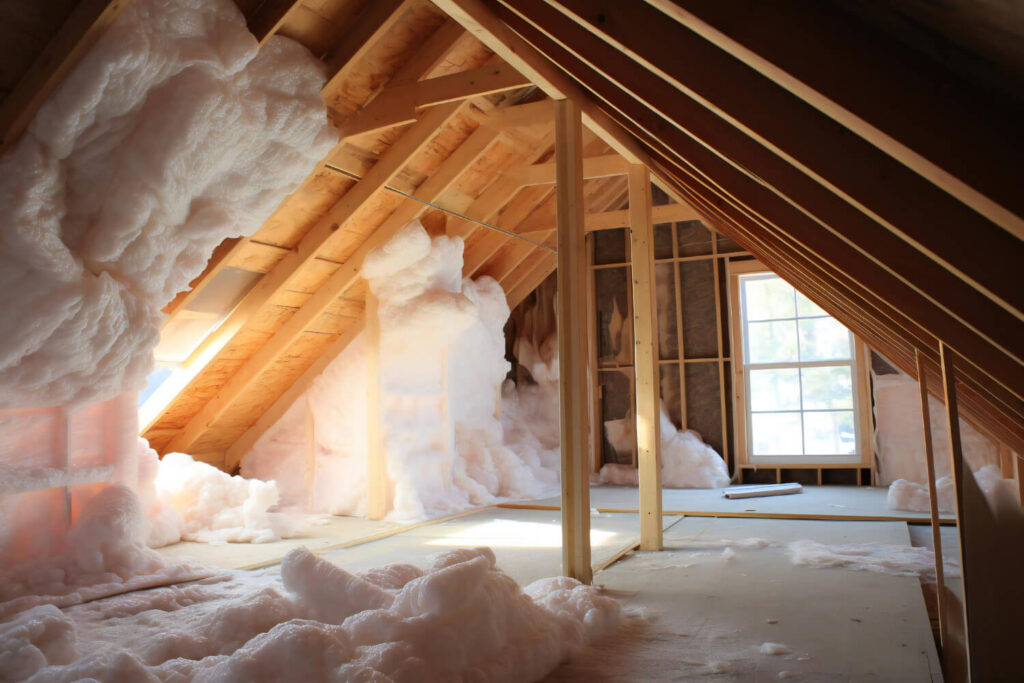
Cellulose insulation, while eco-friendly and effective, has several notable downsides. Its primary drawback is moisture absorption; cellulose can retain water, leading to reduced insulating value, potential mold growth, and structural damage if not properly managed. It also requires specialized installation with dense-packing techniques to prevent settling over time, which can create uninsulated gaps. Compared to materials like fiberglass, cellulose has a lower R-value per inch, meaning thicker applications may be needed. Additionally, as a loose-fill material, it can be dusty during installation, posing air quality concerns. Though treated for fire resistance, it is still combustible, and its long-term performance heavily depends on correct installation and a dry environment.
The cost to spray cellulose insulation in a 2000 square foot attic typically ranges from $1,500 to $3,500, with a national average around $2,500. This price is influenced by several key factors. The existing insulation depth and desired R-value are primary cost drivers; achieving a higher R-value (like R-38 or R-49) requires more material, increasing the price. The attic's accessibility and complexity, such as the presence of obstructions or low clearance, can add labor time. Your geographic location also affects material and labor rates. The project cost generally includes materials, professional labor for preparation and installation, and a thorough clean-up. It is highly recommended to obtain multiple detailed, written estimates from certified professionals who will assess your specific attic conditions and insulation goals.
Mice can be attracted to blown-in cellulose insulation, though it is not their preferred nesting material. Cellulose, typically made from recycled paper treated with fire retardants like boric acid or ammonium sulfate, offers some deterrent properties. The chemicals can irritate rodents' respiratory systems and deter them from consuming it. However, mice are opportunistic and will still nest in cellulose if it provides warmth and concealment, especially if it is loosely installed or has gaps. To prevent infestation, it is crucial to seal all structural entry points thoroughly before installation. Properly dense, professionally installed cellulose is more resistant to pests than batt insulation, but no material is completely mouse-proof without comprehensive exclusion work.
Old cellulose insulation installed before the 1990s may contain asbestos, as it was sometimes added as a fire retardant. However, pure cellulose insulation is primarily made from recycled paper treated with fire-resistant chemicals like boric acid or ammonium sulfate. Asbestos was more common in other insulation types, such as vermiculite attic insulation or pipe wrap. If you suspect asbestos in your insulation, do not disturb it. Disturbance releases hazardous fibers. The only way to confirm its presence is through professional testing by an accredited laboratory. For safety, consult a certified asbestos abatement professional for assessment and any necessary removal, following all local environmental regulations.
Cellulose insulation is an excellent choice for homes in Greater Heights, Houston, due to its strong thermal performance and fire-resistant properties. This loose-fill material, typically made from recycled paper treated with fire retardants, is ideal for retrofitting existing walls and attics. In Houston's humid climate, proper installation is critical to prevent moisture issues that can reduce effectiveness and promote mold. A professional service like Atticair ensures correct density and coverage, especially in older homes common in historic areas like The Heights, to maximize energy efficiency and comfort. Regular inspections post-installation help maintain its R-value and protect your home from the region's extreme heat and humidity.
20 reviews