Houston, TX Air Duct Cleaning Service & Insulation | Atticair

Foam Board Insulation in Central Northwest

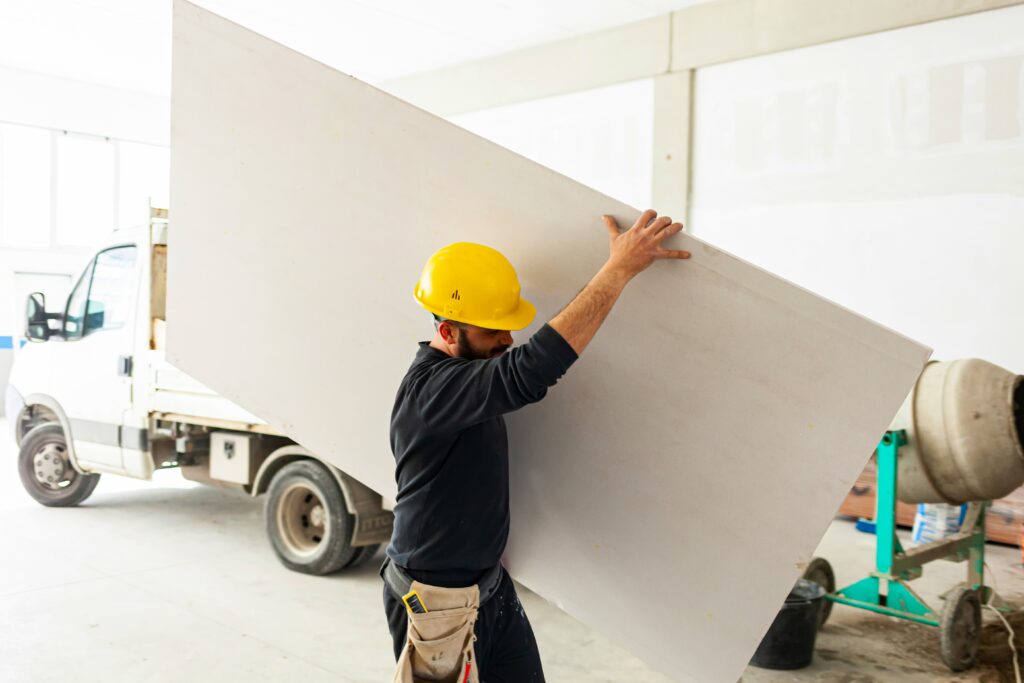
    Foam board insulation is also among the best systems that can control the indoor temperatures, cut down on wastage of energy and make your home a much more comfortable place to live in. When you are in the Central Northwest, and you have the right insulation in the house, then your heating and cooling systems will be efficient to keep your house comfortable throughout the year and save you on spending the money on the energy. In the Central Northwest with hot summers and cold winters, a good foam board insulation may be the difference between a more consistent and good indoor temperature.

    Foam board insulation helps in realizing an insulated home regardless of whether you are renovating an older building or construction of a new building. Our professional installation services within the Central Northwest area offer long term comfort and all seasons performance at the same level.

    Professional Foam Board Insulation Services

    We are full service foam board insulation providers in Central Northwest to suit your requirements. Each home is different and thus we evaluate each house at a time and consider your comfort objectives and the most suitable foam board insulation that can assist you in attaining the highest level of energy savings.

    Our services include

    Attic Foam Board Insulation

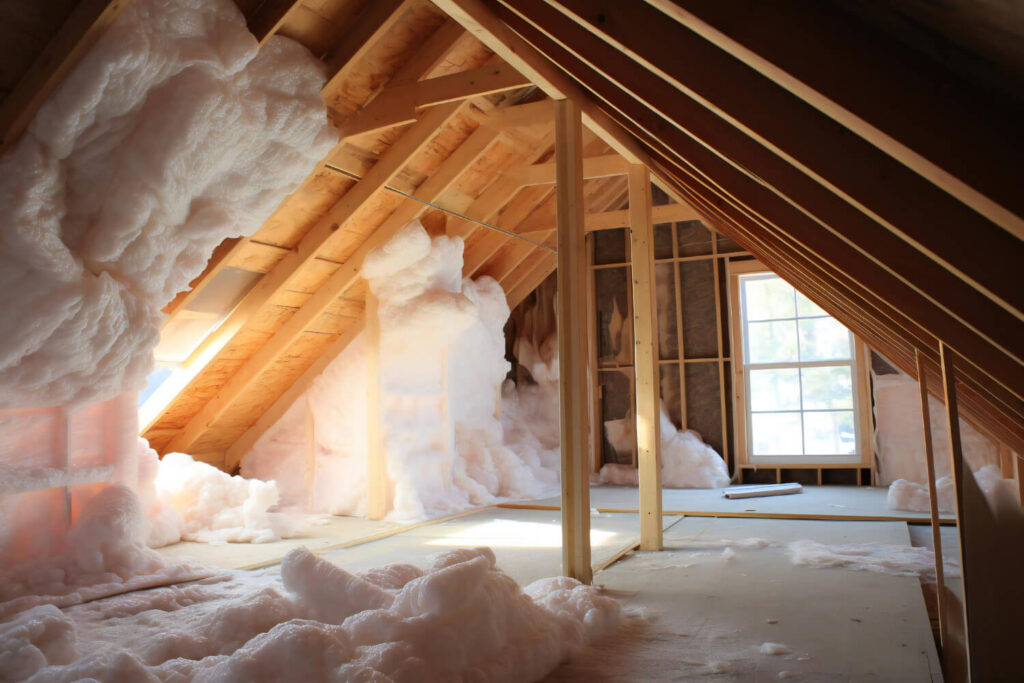
    Attic foam board insulation prevents heat, moisture, and improves airflow and is high-performance. The correct attic insulation assists in the consumption of less energy by enabling your home to be cooler in summer and warmer in winter. One more way of stopping the damage of molds and moisture in your attic is insulating because that will destroy the integrity of your house. Your attic becomes insulated and thus your HVAC system is more efficient saving you on energy bills.

    Wall Foam Board Insulation

    Foam board insulation of the walls stabilizes the internal temperature in your house, and makes your home more comfortable as it will not be affected by the external temperature, whether it is hot or cold. This improves the performance of your heating and cooling systems, and this reduces energy expenses. Foam board insulation is also resistant to humidity, drafts, and possible moisture-related problems, which makes sure the walls of your home last longer.


    Garage & Exterior Wall Insulation

    By putting foam board insulation on your garage walls and your outside walls, you can prevent the amount of heat that gets into your house on hot Central Northwest summers. This will keep the interior temperature at a stable level and reduce the pressure on your HVAC system. The exterior walls, which are well insulated, help in saving energy and avoiding moisture damage that is especially dangerous in regions affected by the sun or those near garages.

    Crawl Space & Basement Insulation

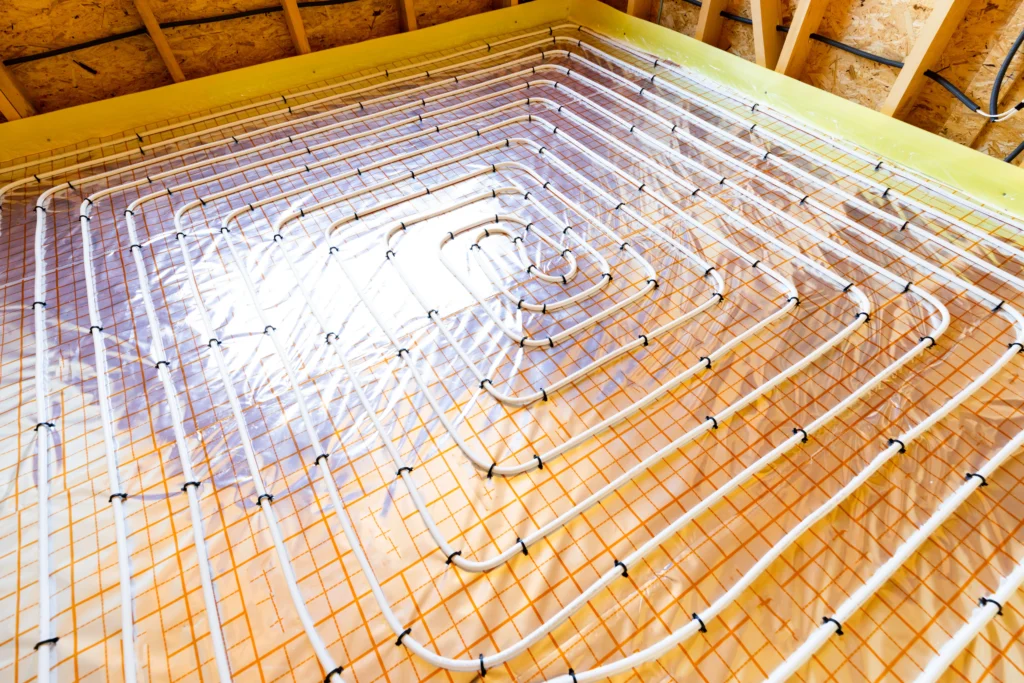
    By insulating crawl spaces and basements using foam boards, drafts, intrusion of moisture, and loss of energy can be avoided at the bottom of your house. This also contributes to the comfortable temperatures of your home throughout the year, avoiding structural damage and the growth of mould due to humidity. A crawl space or basement that is well insulated also helps to eliminate bad air quality, which makes the environment in which people live healthier.

    Client Reviews

    Our services

    Why Choose Us for Foam Board Insulation?

    There is a reason why the right insulation contractor should be selected, and a lack of insulation work can result in leaks, inefficiencies, and gaps. Our company is quite proficient in the houses and weather conditions in Central Northwest, so foam board insulation will be laid properly and efficiently. We apply the best materials and sustainable solutions that are durable for many years.

    Here’s why homeowners in Central Northwest trust us:

    Zip Codes we serve in Central Northwest

    Service Areas

    Get a Free Estimate for Foam Board Installation

    We are ready to help you make your home more comfortable, save money on energy, and make it less wasteful. Our team can demonstrate to you how insulation with foam board can help to make your home in Central Northwest cooler, quieter, and more energy-efficient.

    Contact us today for a free estimate and see the difference professional insulation can make!

    Related Articles

    People Also Ask

    Foam board insulation, while effective, has several notable disadvantages. Its primary drawback is cost, as it is typically more expensive than traditional batt or blown-in insulation materials. Some types, like extruded polystyrene (XPS), use blowing agents with a high global warming potential. It can also be a fire hazard if not properly covered with a fire-rated material, as some foams release toxic fumes when burning. During installation, it requires precise cutting and sealing to prevent thermal bridging at joints, which can compromise its R-value. Additionally, it is a rigid material that may not easily fit into irregular framing spaces without leaving gaps, potentially reducing overall effectiveness.

    Insurance companies may hesitate to insure homes with spray foam insulation due to concerns over improper installation. If installed incorrectly, this insulation can trap moisture within walls, leading to hidden rot, mold growth, and structural damage. Some older formulations also posed fire safety risks if not adequately covered with a thermal barrier. Insurers view these potential long-term, concealed damages as significant liabilities. However, many providers will offer coverage if the installation is performed by a certified professional and includes proper ventilation planning and a final inspection. Homeowners should always obtain documentation and certifications from the installer to present to their insurance carrier.

    The cost to spray foam insulation for a 1000 sq ft area typically ranges from $1,500 to $4,000, with an average around $2,750. This wide variation depends heavily on the foam type and project specifics. Open-cell foam, which is less dense and has a lower R-value per inch, usually costs $0.44 to $0.65 per board foot, making it the more economical choice. Closed-cell foam, offering a higher R-value, superior moisture resistance, and structural strength, costs significantly more, generally $1.00 to $1.50 per board foot. The final price is also influenced by the desired insulation thickness (R-value), the complexity of the installation (like attic versus walls), regional labor rates, and the condition of the existing space. For an accurate quote tailored to your home's needs, it is essential to get a professional assessment from a certified installer like Atticair.

    Spray foam insulation can make a house harder to sell due to several key concerns that may arise during a buyer's inspection or appraisal. A primary issue is the potential for improper installation; if not done perfectly, it can trap moisture within walls, leading to hidden rot and mold that is costly to remediate. Some buyers are also wary of off-gassing from certain chemical components, despite modern formulations being safer. Furthermore, spray foam can complicate future renovations or electrical work by being extremely difficult to remove. For a smooth sale, sellers should provide documentation from a certified professional verifying the installation was performed correctly and meets all building codes, and be prepared to address these common buyer concerns directly.

    Foam board insulation is a popular choice for its high R-value per inch, making it effective for various applications in the central northwest region. In this climate, which experiences cool, wet winters and mild summers, achieving proper insulation levels is crucial for energy efficiency and moisture control. For foam board, common R-values range from R-4 to R-6.5 per inch, depending on the type (e.g., expanded polystyrene/EPS, extruded polystyrene/XPS, or polyisocyanurate). For walls in the central northwest, building codes often recommend total wall R-values in the range of R-13 to R-21, which may require multiple inches of foam board or combination with other insulation. Proper installation with sealed seams is vital to prevent thermal bridging and air infiltration, which are key to maintaining the insulation's rated performance and protecting the building envelope from moisture-related issues.

    When selecting the best foam board insulation for homes in the central northwest region, which experiences varied climates with cold winters and moderate summers, rigid foam panels like extruded polystyrene (XPS) or polyisocyanurate (polyiso) are top choices. XPS offers excellent moisture resistance and a consistent R-value of about R-5 per inch, making it ideal for below-grade applications like foundations or damp crawl spaces. Polyiso provides a higher R-value per inch (R-6 to R-7) but can lose some efficiency in very cold conditions; it is excellent for above-grade wall sheathing and roofing. Always ensure proper installation with sealed seams to prevent thermal bridging and air infiltration, and check local building codes for specific requirements on vapor barriers and fire ratings in your area.

    Using a 1-inch foam insulation board is a common choice for specific applications where space is limited but thermal resistance is needed. This rigid board, typically made from materials like extruded polystyrene (XPS) or polyisocyanurate (polyiso), provides a high R-value per inch, often ranging from R-5 to R-6.5. It is excellent for interior wall sheathing, basement walls, or as an exterior continuous insulation layer to reduce thermal bridging. Proper installation is crucial; seams should be sealed with tape or mastic to create an effective air barrier. For a deeper dive into the types, benefits, and installation best practices for this material, refer to our detailed resource, Foam Board Insulation. Always ensure the product chosen is appropriate for its location and meets local building codes.

    Google

    Overall Rating

    5.0
    ★★★★★

    20 reviews