Houston, TX Air Duct Cleaning Service & Insulation | Atticair
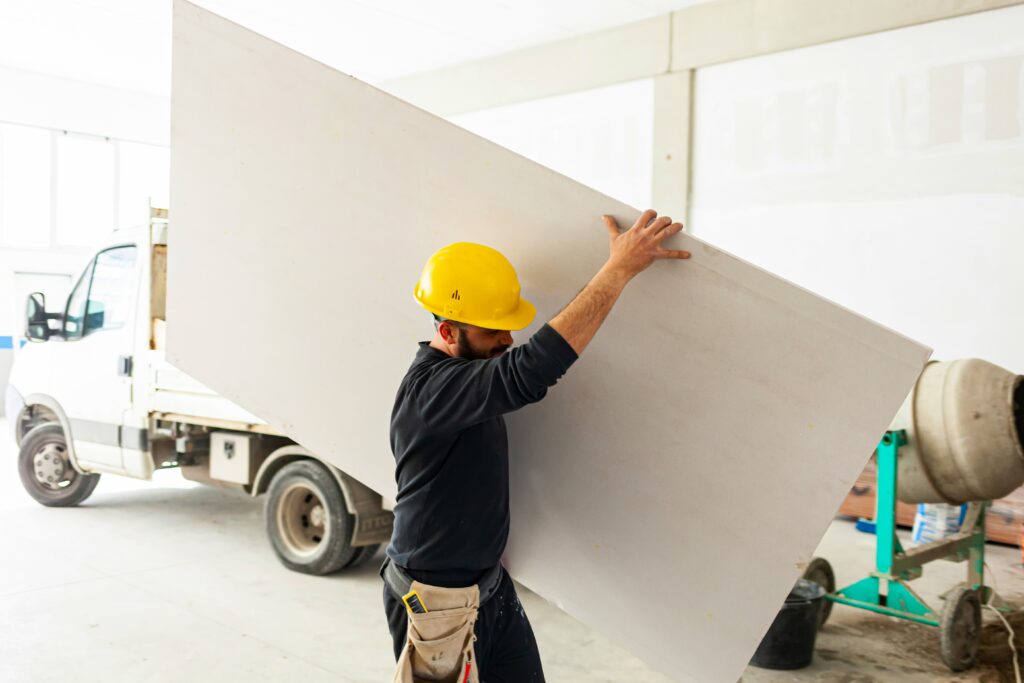
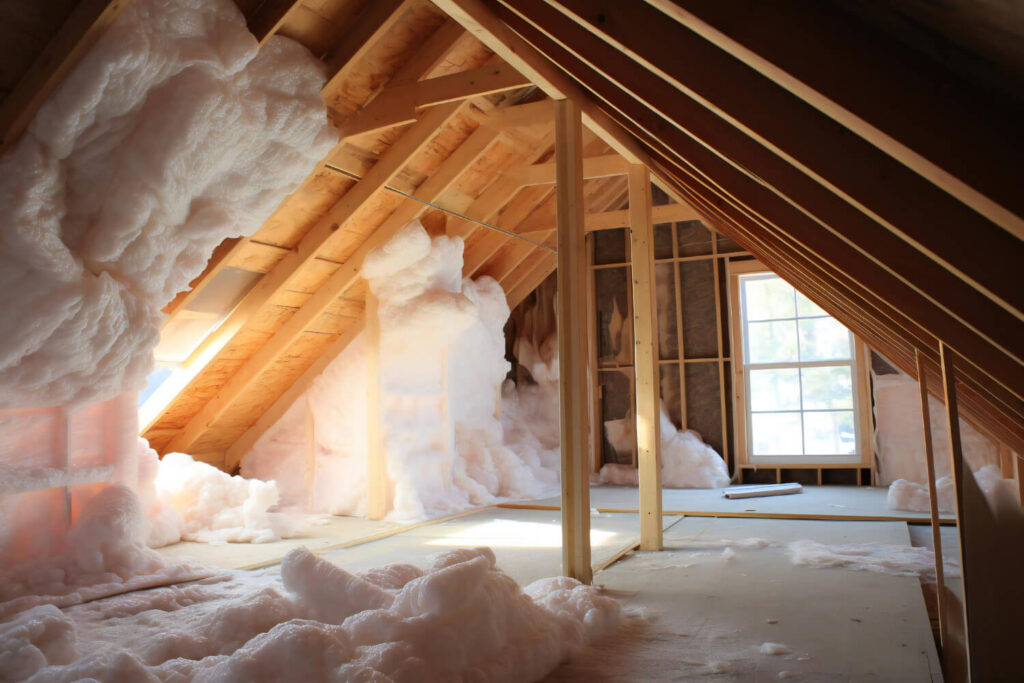
Foam board insulation offers distinct advantages and limitations compared to traditional "regular" insulation like fiberglass batts. Its primary strength is a higher R-value per inch, providing superior thermal resistance in thinner applications, making it ideal for exterior sheathing, basement walls, and spaces with depth constraints. It also acts as an effective air barrier, reducing drafts. However, traditional batt insulation is often more cost-effective for standard wall cavities and is easier for DIY installation in straightforward framing. The "best" choice depends on the specific project: foam board excels in maximizing R-value in tight spaces and controlling air leakage, while batts are a reliable, budget-friendly solution for conventional residential framing. Professional assessment is recommended.
The cost to insulate a 1000 sq ft area varies widely based on the insulation type, material, and labor. For a standard attic or wall project using blown-in fiberglass or cellulose, you can expect a typical range of $1,500 to $3,000. This translates to a common industry rate of $1.50 to $3.00 per square foot for material and installation. However, higher-performance materials like spray foam can cost $2.00 to $5.00 per square foot or more, potentially doubling the total. The final price is also influenced by factors such as your home's region, the accessibility of the space, the existing insulation's condition, and the desired R-value for energy efficiency. Always obtain detailed quotes from certified professionals who can assess your specific needs.
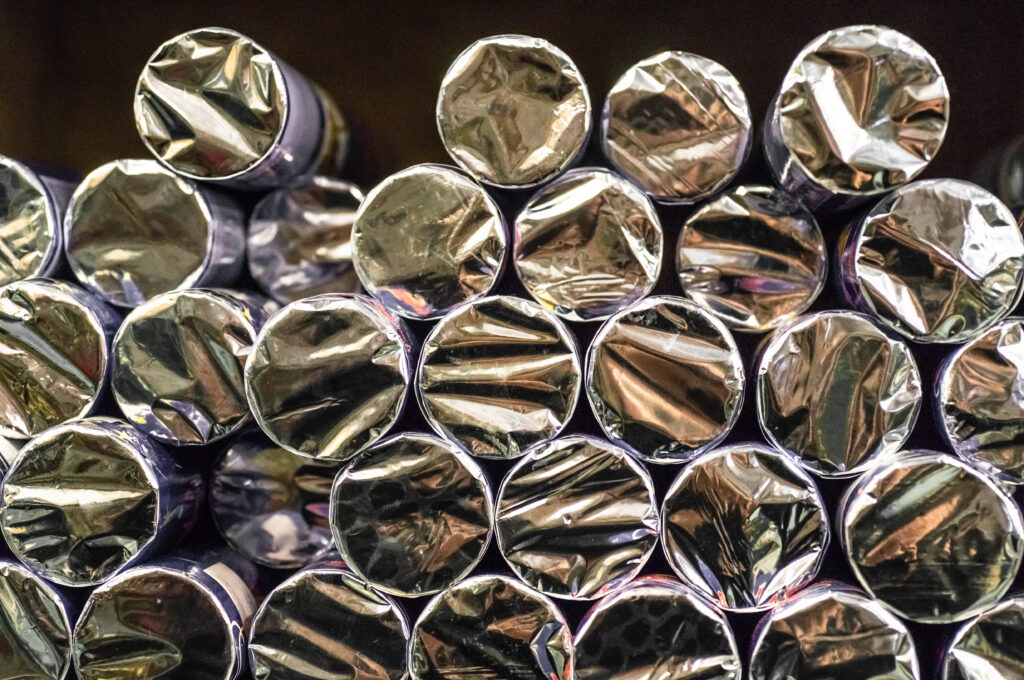
The best foam board insulation depends on your specific project requirements. For maximum insulating power per inch, polyisocyanurate (polyiso) offers the highest R-value (typically R-6 to R-6.5 per inch) and often includes a reflective foil facing. Extruded polystyrene (XPS), like the familiar blue or pink boards, provides excellent moisture resistance and a high compressive strength, making it ideal for below-grade applications such as foundations. Expanded polystyrene (EPS) is a more budget-friendly option with good thermal performance and is often used in insulated concrete forms. For professional installation, always consider factors like local building codes, vapor retarder needs, and proper air sealing to ensure the system performs as intended.
The recommended thickness of foam board insulation depends on your climate zone and the specific application (walls, roof, basement). For most residential applications in moderate climates, a thickness of 1 to 2 inches is common for exterior sheathing. For interior basement walls or attic spaces, 2 to 3 inches is often used. In colder climates, building codes may require thicker insulation, potentially 3 inches or more, to achieve higher R-values. Always consult local building codes and consider the material's R-value per inch; for example, extruded polystyrene (XPS) offers about R-5 per inch. A professional energy audit can determine the optimal thickness for your home's efficiency and comfort.
The cost of foam board insulation in Brookshire, Texas, typically ranges from $1.50 to $3.50 per square foot for materials and professional installation, depending on the project's specifics. Key factors influencing the final price include the type of foam board (like expanded or extruded polystyrene), the R-value required, the total square footage of the area, and the complexity of the installation (e.g., walls, attic, or crawl space). Labor costs in the local market also play a significant role. For an accurate estimate, it is best to consult with a certified local insulation contractor who can assess your specific property, as proper installation is crucial for maximizing energy efficiency and achieving a strong return on investment through lower utility bills.
TruTeam is a leading provider of insulation installation and related services across the United States. As a full-service contractor network, they specialize in installing various insulation types, including fiberglass batts, blown-in cellulose, and spray foam, to improve residential and commercial building efficiency. Their services are crucial for creating effective thermal envelopes, which reduce energy costs and enhance indoor comfort. When considering such professional installation, it's important to ensure the contractor assesses your home's specific needs, follows all local building codes, and uses quality materials. Properly installed insulation from a reputable provider like TruTeam is a sound investment for long-term energy savings and environmental impact.
20 reviews