Houston, TX Air Duct Cleaning Service & Insulation | Atticair
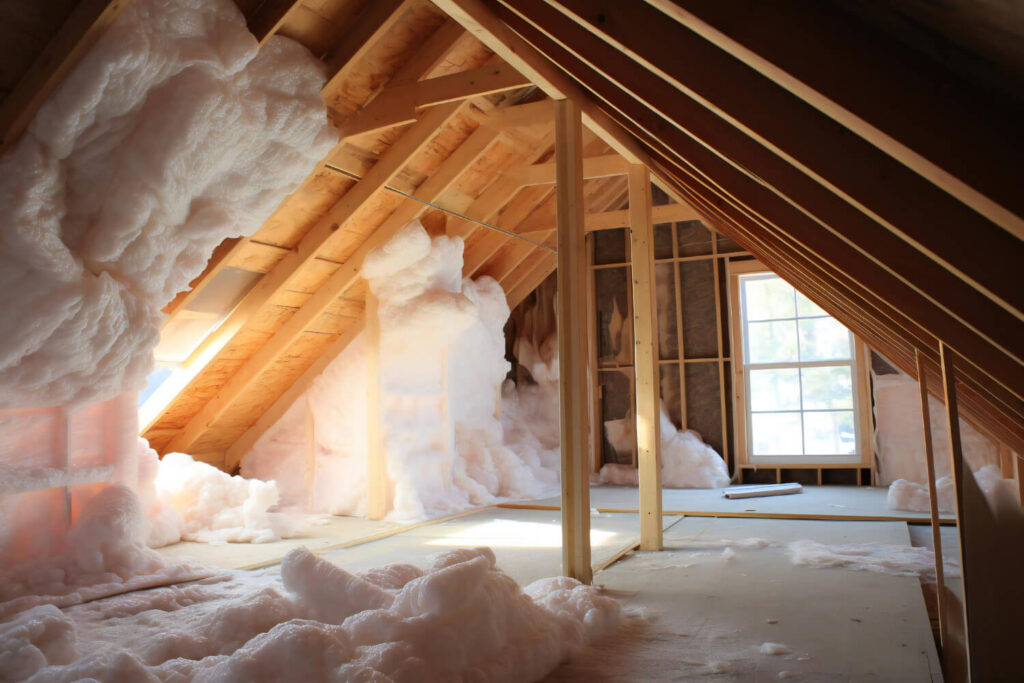
The cost to spray foam insulation for a 1000 sq ft area typically ranges from $1,500 to $4,000, with an average around $2,750. This wide range depends heavily on the type of foam used. Open-cell foam, which is less dense and has a lower R-value per inch, generally costs $0.44 to $0.65 per board foot, making it the more economical choice. Closed-cell foam, which provides a superior air seal and higher R-value, costs between $1.00 and $1.50 per board foot. The final price is also influenced by the desired thickness (R-value), the complexity of the installation (like attic obstructions or cathedral ceilings), your geographic location, and the contractor's labor rates. Always get multiple detailed quotes that include preparation, material, and labor.
Insurance companies may hesitate to insure homes with spray foam insulation due to concerns over improper installation. If installed incorrectly, it can trap moisture within walls, leading to hidden rot, mold growth, and structural damage. Some older formulations also posed potential off-gassing issues. Insurers view these risks as significant liabilities. However, this is not a universal ban. Many insurers will provide coverage if the installation was performed by a certified professional using modern, code-compliant materials and includes proper ventilation. Homeowners should obtain and retain all documentation, including contractor credentials and permits, to demonstrate the work meets current building and fire safety standards.
The cost to spray foam a 40x60 building (2,400 sq ft of floor space) varies significantly based on the type of foam, desired R-value, and regional labor rates. For closed-cell spray foam, which provides a high R-value per inch and acts as an air and vapor barrier, you can expect a price range of $1.50 to $3.00 per board foot. For a building with an average ceiling height, total costs often fall between $4,500 and $12,000. Open-cell foam, which is less expensive at $0.44 to $0.65 per board foot, would typically cost $2,500 to $4,500 for the same structure but requires more thickness for equivalent insulation value. Key factors affecting final price include the condition of the building envelope, local code requirements, and the complexity of the framing, which can create more surface area to cover than the simple floor dimensions suggest. Always obtain multiple detailed quotes from certified insulation contractors.
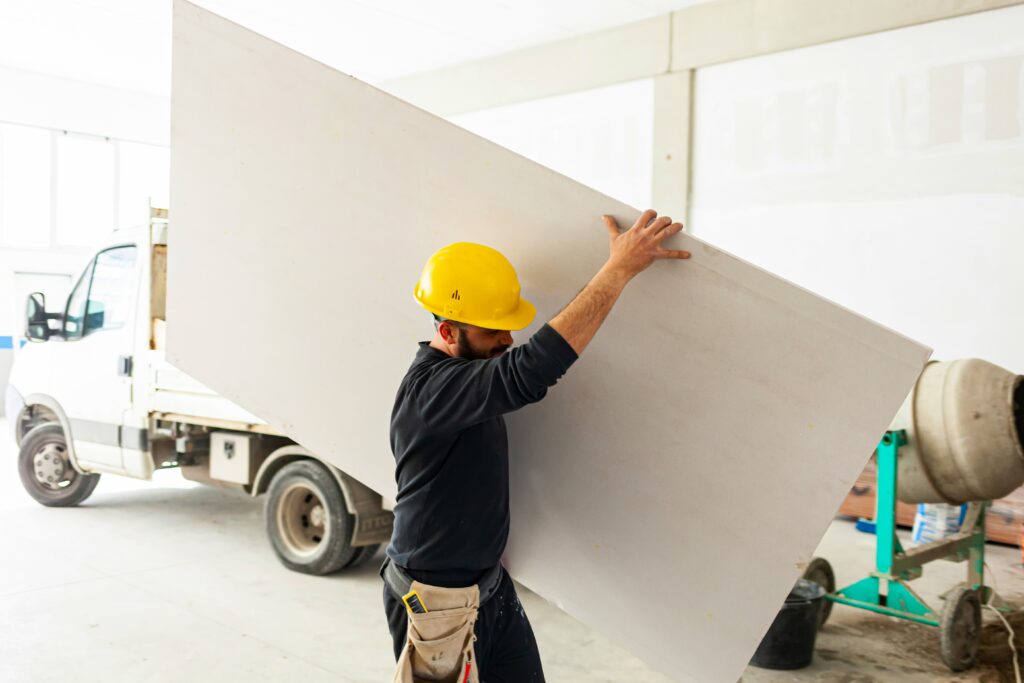
The R-value of a 2-inch foam board depends on its specific material type. For common rigid foam insulations, a 2-inch thickness typically provides the following approximate R-values: extruded polystyrene (XPS) has an R-value of about R-10, polyisocyanurate (polyiso) has an R-value of about R-13, and expanded polystyrene (EPS) has an R-value of about R-8. These values are based on standard industry testing and can vary slightly by manufacturer and product. It is crucial to check the manufacturer's label for the exact R-value per inch for your specific product. Proper installation without gaps is essential to achieve the stated thermal performance. For professional guidance on selecting and installing insulation for your home's attic or duct system, consulting a specialist is recommended.
The cost of foam board insulation in Texas City typically ranges from $1.50 to $4.00 per square foot installed, depending on the project's specifics. Key factors influencing price include the type of foam board (like expanded or extruded polystyrene), its R-value, the size and accessibility of the area, and labor costs. For a standard residential application, such as insulating walls or a crawl space, homeowners might expect an average total project cost between $1,500 and $4,000. It is crucial to obtain multiple quotes from licensed and insured local contractors, as proper installation is essential for maximizing energy efficiency and preventing moisture issues in the Texas climate.
When selecting the best foam board insulation for Texas City, consider the region's hot, humid climate and high wind loads. Extruded polystyrene (XPS) and polyisocyanurate (polyiso) are top choices. XPS offers excellent moisture resistance, crucial for humidity, and has a high R-value per inch (typically R-5), making it effective for walls and foundations. Polyiso provides an even higher R-value (R-6 to R-6.5 per inch) and strong thermal performance, ideal for roofs, though it requires a protective facing in exposed applications. Always ensure the insulation board is properly rated for fire safety and installed with sealed seams to prevent air infiltration, which is vital for energy efficiency in Texas's extreme heat.
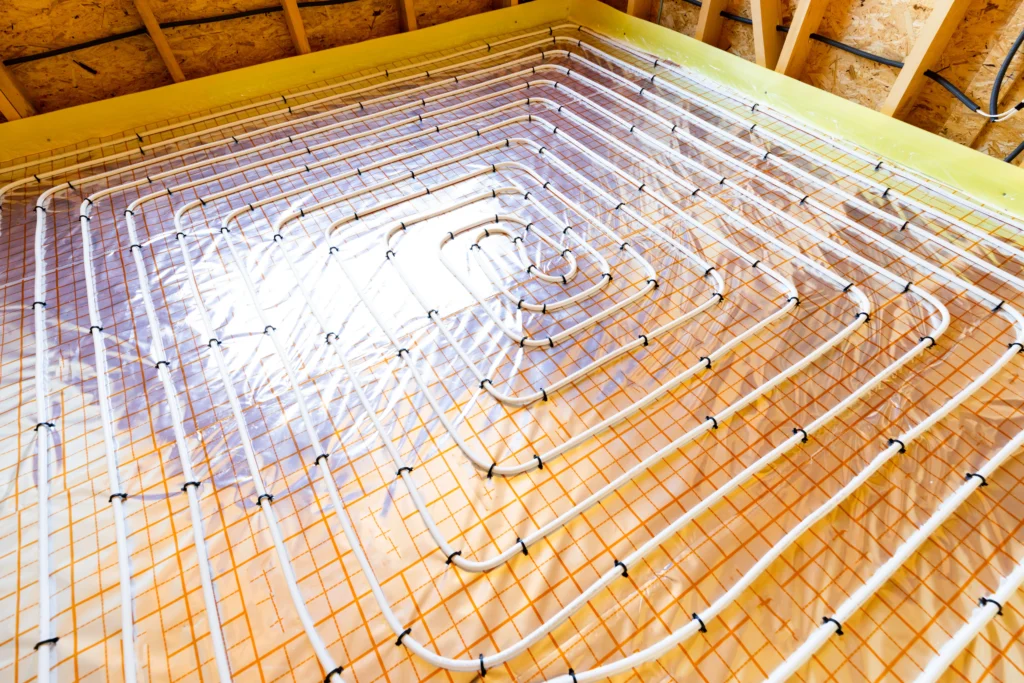
When selecting an insulation company in Houston, it is crucial to choose a licensed and insured contractor with proven local experience. The region's unique climate, characterized by high humidity and intense heat, demands specific solutions like radiant barrier installations and proper attic ventilation to enhance energy efficiency and prevent moisture-related issues such as mold. A reputable company will conduct a thorough assessment of your home's existing insulation, air sealing, and ductwork. They should provide clear explanations of recommended materials, such as spray foam or blown-in cellulose, and detailed quotes. Always verify customer reviews, ask for references, and ensure they follow the latest building codes and manufacturer specifications for optimal performance and safety.
20 reviews