Houston, TX Air Duct Cleaning Service & Insulation | Atticair

Foam Board Insulation in Deer Park

    One of the best methods to enhance the comfort of your indoors, save energy waste, and ensure effective temperature control in your home is foam board insulation. In a hot and sticky area such as Deer Park, adequate insulation ensures that your air conditioning system will have to toil less, your home will be cooler and your monthly electricity bills will go down dramatically.

    Foam board insulation can make an old house feel like a home and be more energy efficient even on the hottest days of Deer Park, whether you are renovating an older house or wrapping a new home. Our team offers skilled installation of foam boards with high quality materials to ensure the durability, reliability and year round service.

    Professional Foam Board Insulation Services

    We provide full foam board insulation services to the requirements of homes in Deer Park. Each home is individual, and this is why our specialists carefully check your house, comprehend your comfort purposes, and propose the appropriate type of foam boards as the most effective method of energy saving.

    Our services include

    Attic Foam Board Insulation

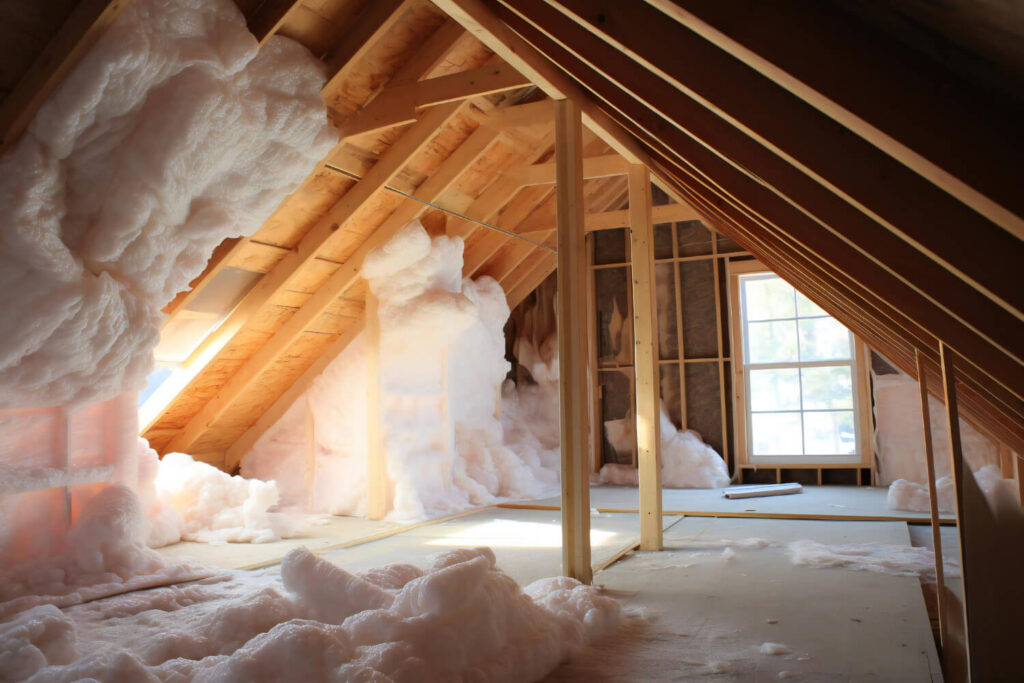
    We use high performance foam boards that minimize heat loss, manage moisture and improve the airflow in the attic. This makes your home cooler during summer and warmer during winter and reduces energy loss. Properly sealing the attic also reduces chances of mould, accumulation of moisture and structural issues. The insulation of your attic has been done efficiently making your HVAC system run without a hustle--you save a lot of money on utility bills.

    Wall Foam Board Insulation

    Our wall insulation products are used to even out the indoor temperatures and enhance the general comfort of the home. Foam board insulation also forms a powerful thermal resistant that does not allow heat to get in or out of your walls. This will ease the strain on your heating/air conditioning systems, save energy and ensure a steady interior climate. It also provides security against drafts, humidity and moisture problems.

    Garage & Exterior Wall Insulation

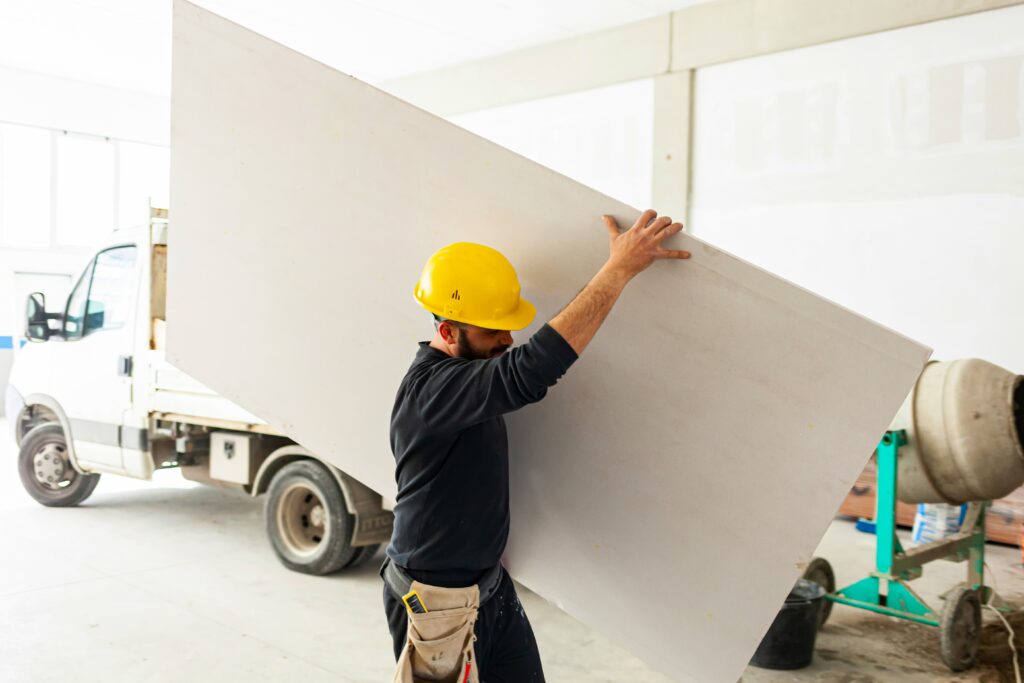
    The boards used in the garages and outer walls are foamed boards, which minimise the amount of heat that can penetrate into the house during the intense summer heat in Deer Park. This is beneficial in keeping a stable temperature in the house and it also reduces the amount of effort that your HVAC system has to work. Well-insulated exterior walls can as well keep your home dry and energy efficient. The service applies particularly where the living space of homes has a link to the garage or sun-facing walls.

    Crawl Space & Basement Insulation

    Moisture intrusion and energy loss Foam board use in crawl spaces and basements keeps the drafts, moisture, and energy losses out of the ground below your house. This contributes to a year-round comfortable indoor environment. It also minimizes the chances of mold, humidity damages, and structural problems. These areas that are mostly neglected get to be efficient, dry and healthier to your whole home with our professional installation.

    Client Reviews

    Our services

    Why Choose Us for Foam Board Insulation?

    It is important to choose the correct insulation contractor. Poor installation may also create air leaks, condensation issues and wastage of energy. Our crew is aware of the climate of Deer Park, the type of houses, and the insulation requirements. Our materials are high-quality, we apply the right installation techniques and we present results that are long-term.

    Homeowners trust us because we provide:

    Zip Codes we serve in Deer Park

    Service Areas

    Get a Free Estimate for Foam Board Installation

    We are here to assist you should you be willing to make your home more comfortable and save some money on energy. We can demonstrate to you how Deer Park home can be made cooler, quieter and more energy-efficient with foam board insulation. 

    Call us today for a free estimate and experience the difference quality insulation makes!

    Related Articles

    People Also Ask

    Insurance companies may hesitate to insure homes with spray foam insulation due to concerns over improper installation and long-term risks. If installed incorrectly, it can trap moisture within walls, leading to wood rot, mold growth, and structural damage. Some older formulations also posed fire safety risks if not adequately protected with an ignition barrier. Insurers view these potential issues as significant liabilities that could lead to costly claims. However, many insurers will provide coverage if the installation is performed by a certified professional, includes proper ventilation detailing, and is accompanied by a robust warranty and inspection report. Always consult with your insurer and provide full documentation before proceeding with this type of insulation upgrade.

    Foam board insulation, while effective, has several notable disadvantages. Its primary drawback is cost, as it is typically more expensive than traditional batt or blown-in insulation materials. Some types, like extruded polystyrene (XPS), use blowing agents with a high global warming potential. It can also be a fire hazard if not properly covered with a fire-rated material, as some foams release toxic fumes when burning. During installation, achieving a perfect seal at all seams and edges is critical to prevent thermal bridging; this requires meticulous work. Furthermore, it is a rigid material, making it difficult to fit into irregular or existing cavity spaces without precise cutting and potentially leaving gaps.

    The cost to install foam board insulation varies widely based on factors like project size, material type, and labor. On average, homeowners can expect to pay between $1,500 and $4,500 for a professional installation in a standard area like a basement or exterior walls. This breaks down to a typical range of $3 to $7 per square foot. Key cost drivers include the foam's R-value (higher R-value boards cost more), the complexity of the installation (cutting around obstacles increases labor), and your geographic location. Rigid foam boards like EPS are generally the most affordable, while polyiso or XPS boards with higher insulating power command a premium. For an accurate quote, it's best to obtain a professional assessment, as proper installation is crucial for maximizing energy efficiency and preventing moisture issues.

    Spray foam insulation can sometimes lead to mortgage rejections due to concerns over improper installation and potential long-term risks. Lenders are wary because incorrectly applied spray foam, particularly in older homes, can trap moisture within walls, leading to wood rot and structural damage. There are also fears about off-gassing of volatile organic compounds if low-quality materials are used. To mitigate this, homeowners should ensure installation is performed by a certified professional following all building codes and manufacturer specifications. Providing a detailed installation report and warranty to the lender can often alleviate concerns and demonstrate the insulation's safety and compliance with industry standards.

    The cost of foam board insulation in Deer Park varies based on factors like material type, project size, and installation complexity. On average, homeowners can expect to pay between $1.50 to $3.50 per square foot for materials and professional installation. Rigid foam boards, such as expanded polystyrene (EPS) or extruded polystyrene (XPS), are common choices, with XPS typically being more expensive due to its higher R-value and moisture resistance. Additional costs may include labor for proper fitting, sealing seams, and any necessary wall or attic preparation. For an accurate estimate, it is recommended to obtain quotes from licensed local contractors who can assess your specific insulation needs and ensure compliance with building codes for optimal energy efficiency.
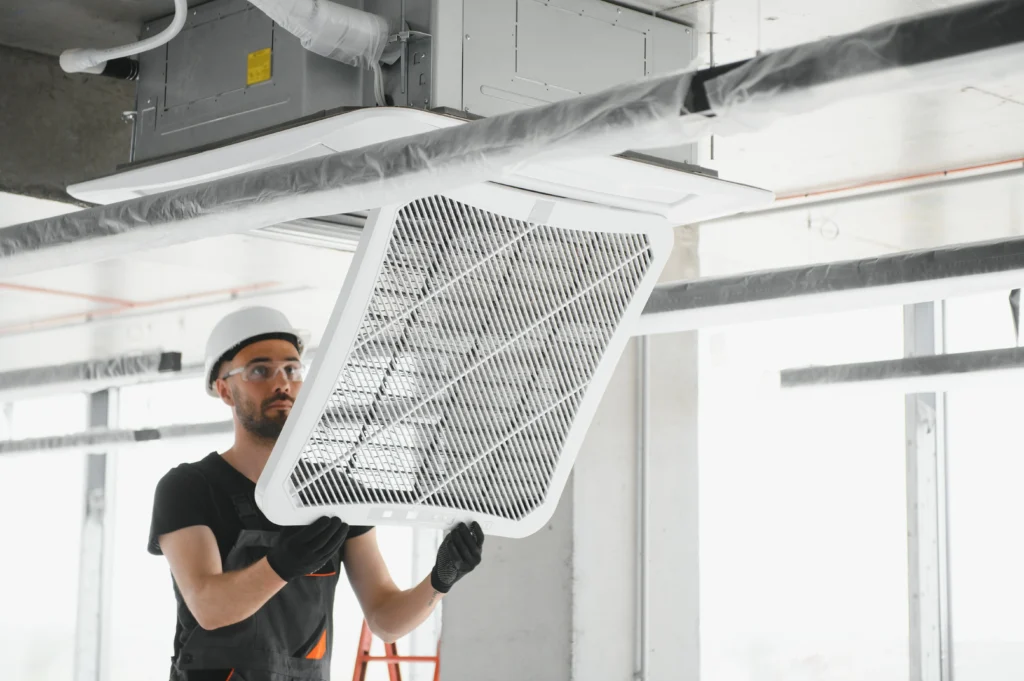
    When selecting the best foam board insulation in Deer Park, it's essential to consider the specific application and local climate. For most residential and commercial projects, extruded polystyrene (XPS) is a top choice due to its high compressive strength, excellent moisture resistance, and strong R-value per inch (typically R-5). This makes it ideal for below-grade applications like basement walls or exterior sheathing. Expanded polystyrene (EPS) is a more cost-effective option with good insulating properties (R-3.8 to R-4.4 per inch) and is suitable for above-grade walls. Polyisocyanurate (polyiso) offers the highest R-value per inch (R-6 to R-6.5) but can be more expensive. Always consult with a local professional to ensure the product meets building codes and is properly installed for maximum energy efficiency and air sealing.

    Using 2-inch insulation panels is a common method for improving a building's thermal envelope. These rigid panels, often made from materials like polyisocyanurate, extruded polystyrene (XPS), or expanded polystyrene (EPS), provide a high R-value per inch, making them efficient for space-constrained applications. They are frequently installed on exterior walls, basement interiors, and cathedral ceilings. Proper installation is crucial; panels must be tightly fitted and seams staggered to minimize thermal bridging and air leakage. For optimal performance, all joints should be sealed with approved tape or mastic, and the installation must comply with local building codes regarding fire ratings and vapor retarders.

    Google

    Overall Rating

    5.0
    ★★★★★

    20 reviews