Houston, TX Air Duct Cleaning Service & Insulation | Atticair
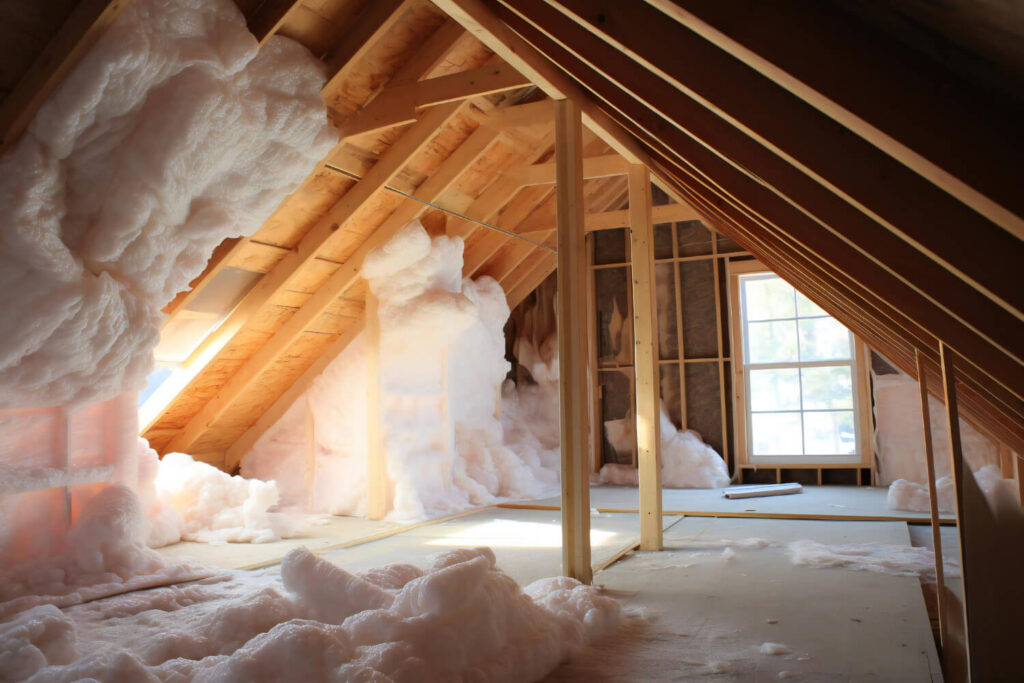
The cost to spray foam insulation for a 1000 sq ft area typically ranges from $1,500 to $4,000, with an average around $2,750. This wide range depends heavily on the type of foam used. Open-cell foam, which is less dense and has a lower R-value per inch, generally costs $0.44 to $0.65 per board foot, making it the more economical choice. Closed-cell foam, which provides a superior air barrier and higher R-value, costs between $1.00 and $1.50 per board foot. The final price is also influenced by the job's complexity, the thickness required, regional labor rates, and the condition of the existing structure. For an accurate estimate, it is essential to get a professional assessment from a certified installer who can evaluate your specific attic or wall cavity needs.
Insurance companies may be hesitant to insure homes with spray foam insulation due to concerns about improper installation and long-term risks. If installed incorrectly, particularly in roof rafters, closed-cell foam can trap moisture, leading to hidden rot and structural damage that is costly to repair. Some insurers also worry about the material's fire performance and off-gassing if not cured properly. However, many homes with professionally installed spray foam are insured without issue. The key is using certified, experienced contractors who follow building codes and provide documentation, including manufacturer specifications and permits. Homeowners should proactively discuss the installation details with their insurer to ensure coverage.
People are removing spray foam insulation primarily due to improper installation, which can lead to significant problems. If not mixed or applied correctly by a certified professional, the foam can fail to cure fully. This off-gassing releases unpleasant odors and potentially harmful volatile organic compounds (VOCs) into the home, impacting indoor air quality and health. Removal is also considered when the insulation was installed in an inappropriate location, such as in roof overhangs or against roof sheathing without proper ventilation, which can trap moisture and lead to wood rot and mold growth. Correcting these issues requires professional removal to ensure the building envelope is restored and future insulation is installed correctly.
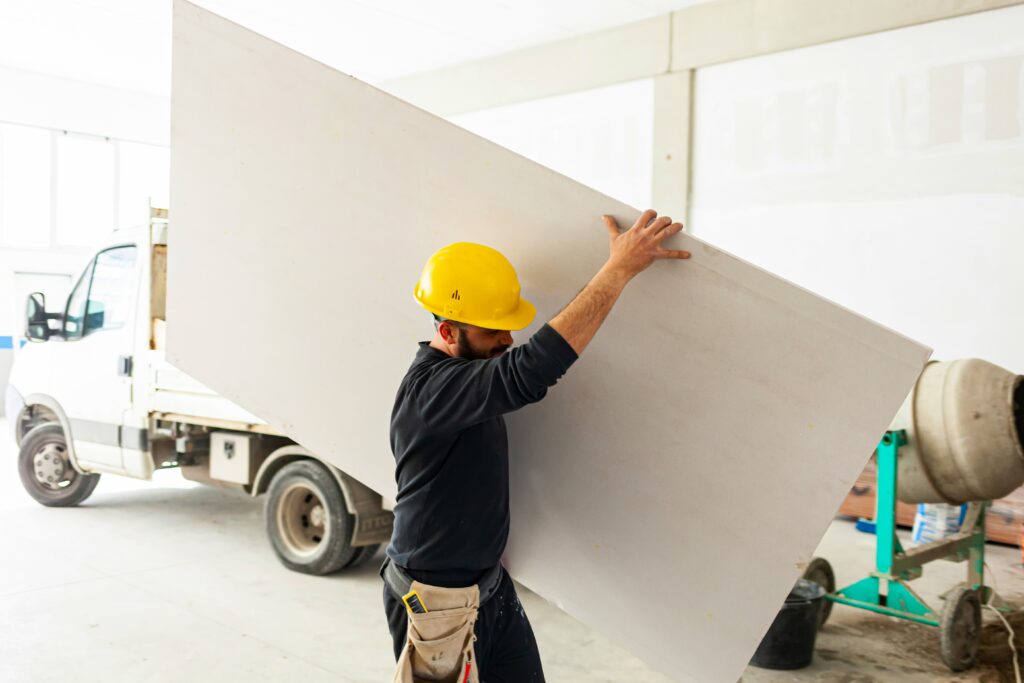
The cost of foam board insulation typically ranges from $1.50 to $4.50 per square foot for materials and professional installation. The final price depends heavily on the type of foam board. Rigid expanded polystyrene (EPS) is the most economical, while extruded polystyrene (XPS) is mid-range, and polyisocyanurate (polyiso) with its higher R-value per inch is often the most expensive. Additional factors include the project's size and accessibility, local labor rates, and whether you are insulating walls, a roof, or a foundation. For an accurate estimate, it's best to get a professional assessment, as proper installation is crucial for achieving the intended thermal performance and air sealing benefits.
The cost of foam board insulation in Lake Jackson varies based on factors like project size, material type, and installation complexity. On average, homeowners can expect to pay between $1.50 to $3.50 per square foot for materials and professional installation. Rigid foam boards, such as expanded polystyrene (EPS) or extruded polystyrene (XPS), are common choices for walls, basements, and crawl spaces due to their high R-value and moisture resistance. Local labor rates and accessibility of the work area also influence the final price. For an accurate estimate, it is recommended to obtain quotes from licensed contractors who can assess your specific needs, ensuring proper installation for optimal energy efficiency and compliance with regional building codes.
When selecting the best foam board insulation for homes in Lake Jackson, Texas, factors like moisture resistance and thermal performance are paramount due to the humid climate. Extruded polystyrene (XPS) is often the top recommendation. It offers a high R-value per inch (typically R-5), excellent long-term moisture resistance, and good compressive strength, making it suitable for foundations, exterior walls, and crawl spaces. Expanded polystyrene (EPS) is a cost-effective alternative with good insulation but is more permeable to moisture. Polyisocyanurate (polyiso) offers the highest R-value initially but can experience thermal drift. For most Lake Jackson applications, especially below-grade or in high-humidity areas, XPS foam board provides the best balance of durability and energy efficiency.
20 reviews