Houston, TX Air Duct Cleaning Service & Insulation | Atticair
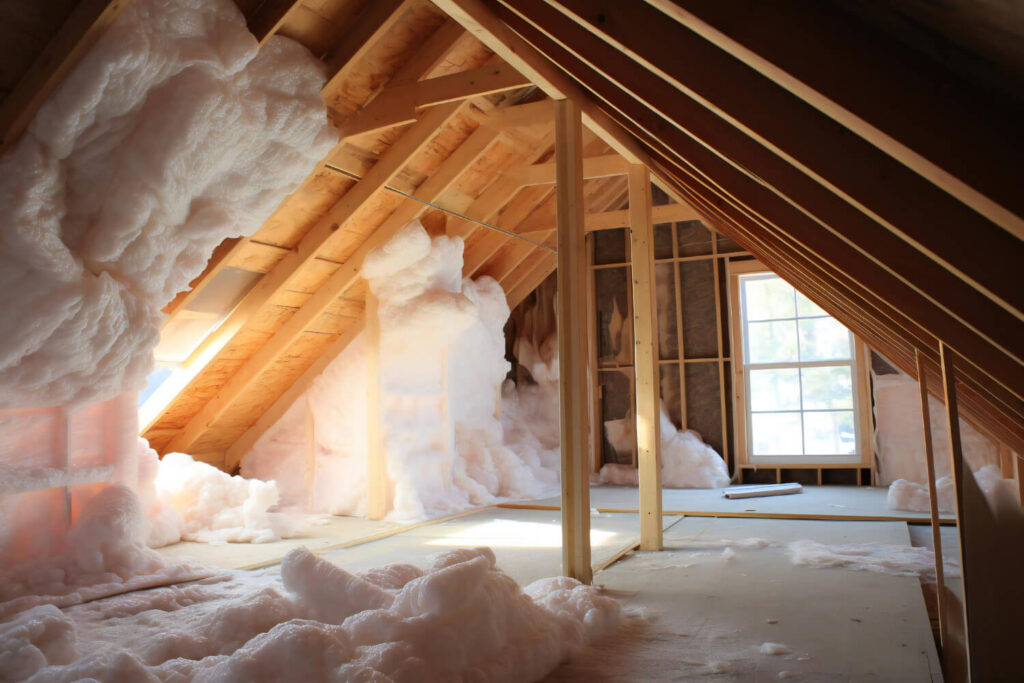
Insurance companies may hesitate to insure homes with spray foam insulation due to concerns over improper installation. If installed incorrectly, it can trap moisture within walls, leading to hidden rot, mold growth, and structural damage. Some older formulations also posed potential off-gassing issues. Insurers view these risks as significant liabilities. However, this is not a universal ban. Many insurers will provide coverage if the installation was performed by a certified professional and includes proper ventilation detailing. Homeowners should obtain and retain all documentation, including contractor credentials and manufacturer specifications, to demonstrate the work meets current building codes and industry standards.
The cost to install foam board insulation varies significantly based on project scope, material type (like EPS, XPS, or polyiso), and labor. For a typical residential project, homeowners can expect a range of $1,500 to $4,500, with costs often calculated per square foot ($1.50 to $5.00+). Key factors include the R-value needed, the complexity of the installation area (walls, attic, basement), and whether existing materials need removal. Professional installation is recommended to ensure proper air sealing and thermal performance, which maximizes long-term energy savings. For a detailed look at applications in our local area, including benefits and considerations, see our internal article Foam Board Insulation in Northside / Northline.
Foam board insulation, while effective, has several notable disadvantages. Its primary drawback is cost, as it is typically more expensive upfront than traditional materials like fiberglass batts. Some types, such as extruded polystyrene (XPS), use blowing agents with a high global warming potential, raising environmental concerns. It can also be a fire hazard if not properly covered with a fire-rated material, as some foams release toxic fumes when burning. During installation, achieving a perfect seal at joints is critical to prevent thermal bridging; improper sealing can reduce overall effectiveness. Additionally, it offers no inherent soundproofing qualities and can be difficult to retrofit into existing walls without major modifications.
The cost to spray foam insulation for a 1500 sq ft area, such as an attic or walls, typically ranges from $1,500 to $4,500, with an average around $3,000. This wide range depends heavily on the foam type and project specifics. Open-cell foam, which is less dense and has a lower R-value per inch, usually costs $0.44 to $0.65 per board foot. Closed-cell foam, offering a higher R-value and moisture barrier, costs more, typically $1.00 to $1.50 per board foot. For a 1500 sq ft area, the total board feet required depends on the depth of application. Key factors influencing final price include the job's accessibility, existing insulation removal needs, local labor rates, and the desired R-value. Always obtain multiple detailed quotes from certified professionals, as proper installation is critical for performance and safety.
Installing foam board insulation on exterior walls involves several key steps to ensure effectiveness and durability. First, prepare the wall surface by cleaning it thoroughly and repairing any damage. Measure and cut the foam boards to fit snugly between wall studs or over sheathing, using a utility knife. Apply a construction adhesive designed for foam insulation to the back of each board, then press firmly against the wall. For added stability, use mechanical fasteners like plastic cap nails or screws with washers, especially in windy areas or for taller installations. Seal all seams and edges with foil tape or caulk to prevent air leaks. This method enhances thermal resistance, reduces energy costs, and helps control moisture when done correctly, following local building codes and manufacturer guidelines.
Exterior rigid foam insulation is a high-performance building material installed on the outside of a home's structural sheathing. It creates a continuous thermal barrier that minimizes heat transfer, significantly improving energy efficiency and comfort. Common types include expanded polystyrene (EPS), extruded polystyrene (XPS), and polyisocyanurate (polyiso), each with different R-values and moisture resistance properties. Proper installation is critical; it must be integrated with the weather-resistant barrier and flashing details to manage water drainage and prevent moisture entrapment within the wall assembly. This system also helps reduce thermal bridging through studs, leading to a more consistent indoor temperature and lower utility bills.
20 reviews