Houston, TX Air Duct Cleaning Service & Insulation | Atticair
Reflective insulation, while effective in blocking radiant heat, has several notable disadvantages. Its primary limitation is that it only addresses radiant heat transfer and does not provide significant resistance to conductive or convective heat flow. This makes it less effective in climates where all three heat transfer modes are significant unless combined with other insulation types like bulk materials. Proper installation is critical; it requires an air gap to function, and any compression, dust accumulation, or incorrect placement severely reduces its performance. It is also generally less effective in colder climates where slowing conductive heat loss is more crucial. Furthermore, it offers no inherent soundproofing qualities and can be more vulnerable to damage from punctures or tears compared to bulk insulation.
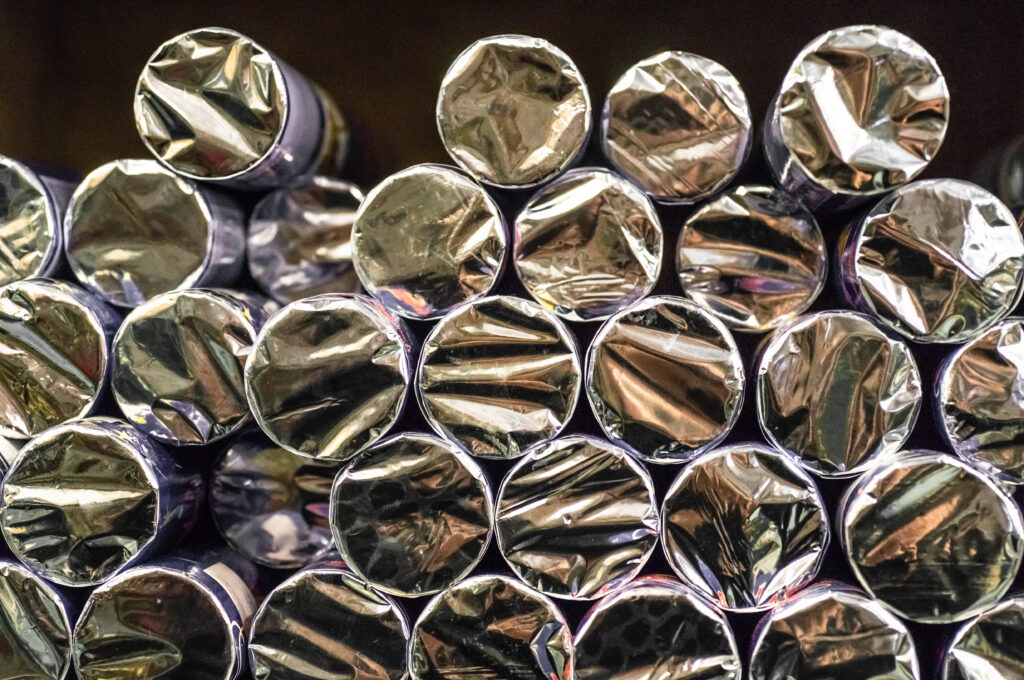
Reflective insulation, often made from aluminum foil laminated to paper or plastic, is generally considered a cost-effective option compared to many traditional bulk insulation materials like fiberglass or spray foam. The material itself is typically less expensive per square foot. However, the true cost depends on the specific product, the complexity of installation, and whether it is used alone or as part of a hybrid system. For optimal performance in attics, it must be installed with an air gap, which can add labor. While upfront costs can be lower, its effectiveness is highly dependent on proper installation and is best in hot climates where reflecting radiant heat is the primary goal. It may not provide sufficient R-value alone in colder regions, potentially requiring additional insulation layers.
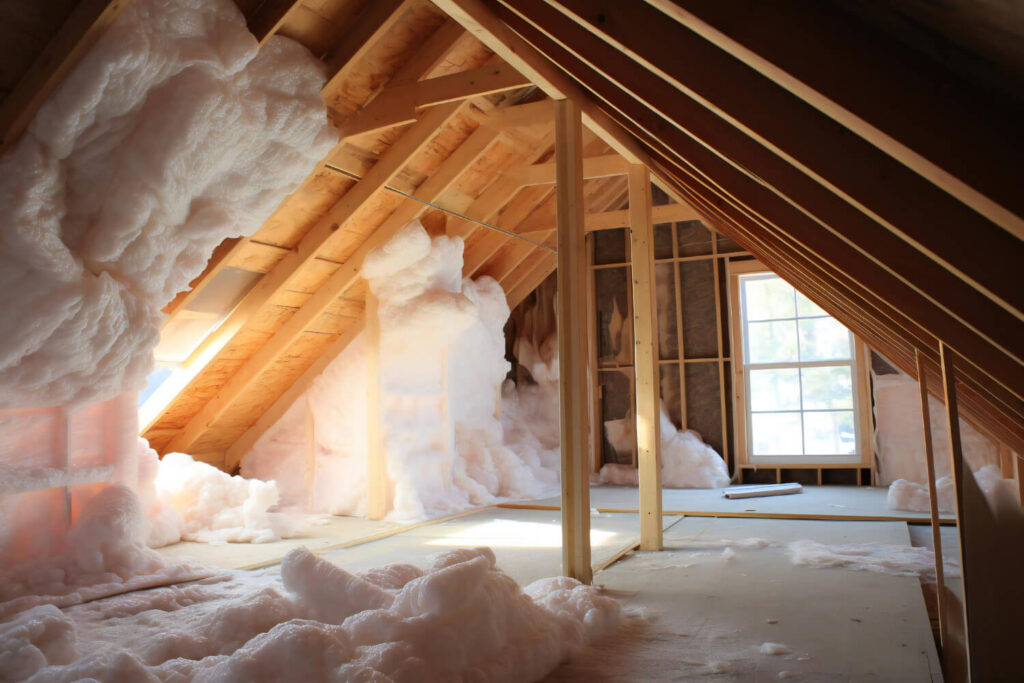
Reflective insulation can be a worthwhile investment in specific climates and applications. Its primary function is to radiant heat transfer, making it most effective in hot, sunny climates where blocking radiant heat gain is a priority, such as in attics. It is less effective in cold climates where slowing conductive heat loss is the main goal. When properly installed with an air gap, reflective materials like foil-faced barriers can significantly reduce cooling loads. However, it is not a standalone solution and should often be combined with traditional bulk insulation for optimal thermal performance. Its value depends on your local climate, existing insulation, and correct installation per manufacturer and building code standards.
Foil insulation, often called reflective insulation, has a primary disadvantage in its dependence on an air gap to function effectively. Its core mechanism is to reflect radiant heat, not to resist conductive heat flow like bulk insulation materials. For it to work, there must be a still air space adjacent to the shiny surface; if it is installed flush against another material like drywall or sheathing, its reflective properties are largely negated. It also offers minimal R-value on its own and provides almost no benefit in cold climates where heat flow is primarily conductive. Furthermore, it can be easily compromised by dust accumulation, which significantly reduces its reflectivity. Proper installation is therefore critical and often more complex than laying batts or rolls.
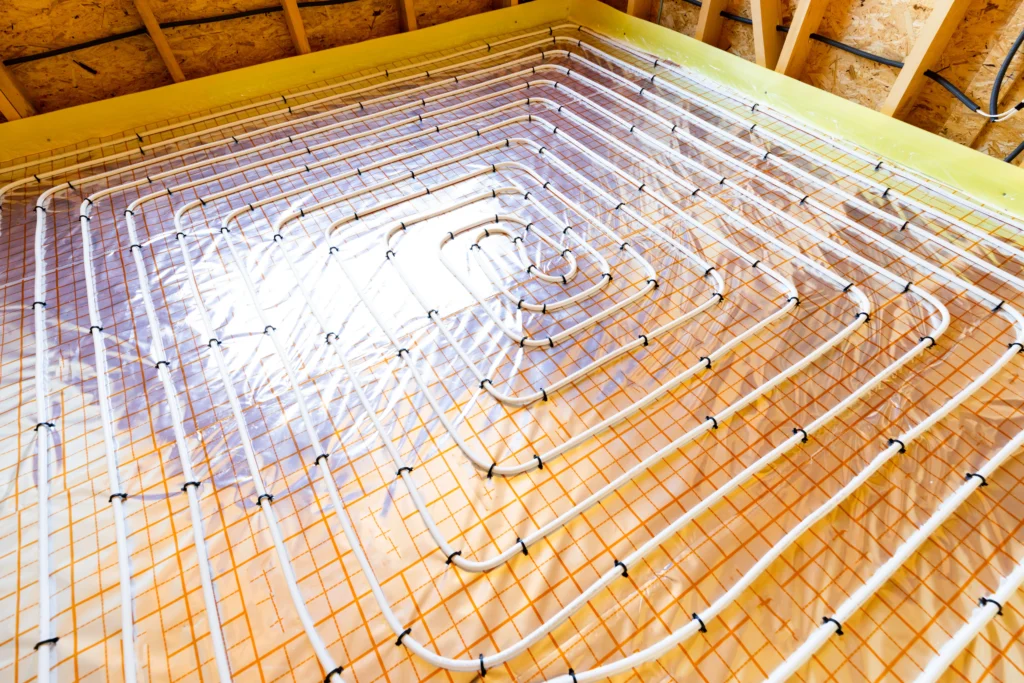
Residential reflective insulation is an effective solution for homes in Pearland, Texas, where hot and humid climates demand efficient thermal control. This type of insulation works by reflecting radiant heat away from living spaces, typically using materials like aluminum foil laminated to paper or plastic. It is often installed in attics, walls, and under floors to reduce heat gain, which can lower cooling costs significantly. For optimal performance, it must be installed with an air gap facing the heat source. Professional installation ensures proper placement and avoids compression, which can diminish effectiveness. Reflective insulation complements other insulation types and can enhance overall energy efficiency, making it a smart choice for Pearland residents seeking comfort and savings.
Reflective insulation is an effective solution for homes in Pearland, Texas, due to the region's hot and humid climate. This type of insulation works by reflecting radiant heat away from living spaces, rather than just slowing conductive heat transfer like traditional materials. It typically consists of a shiny aluminum foil layer laminated to a substrate like foam or plastic. In attics, installing reflective insulation under the roof deck can significantly reduce cooling costs by preventing solar heat gain. For optimal performance in Pearland, it should be combined with proper attic ventilation and air sealing to manage moisture and enhance overall energy efficiency. Professional assessment is recommended to ensure correct installation and compliance with local building codes.
Reflective insulation in Pearland typically costs between $1.50 to $3.50 per square foot for materials and professional installation. The final price depends on several factors, including the specific type of reflective material (like radiant barrier foil or bubble foil insulation), the size and complexity of the attic or area being insulated, and the contractor's labor rates. For a standard attic, total costs often range from $1,200 to $2,500. It is a highly effective solution for reducing radiant heat transfer in hot climates like Texas, potentially lowering cooling costs. To get an accurate estimate, homeowners should obtain multiple quotes from licensed and insured local contractors who can assess the home's specific needs and ensure proper installation for maximum energy efficiency.

20 reviews