Houston, TX Air Duct Cleaning Service & Insulation | Atticair
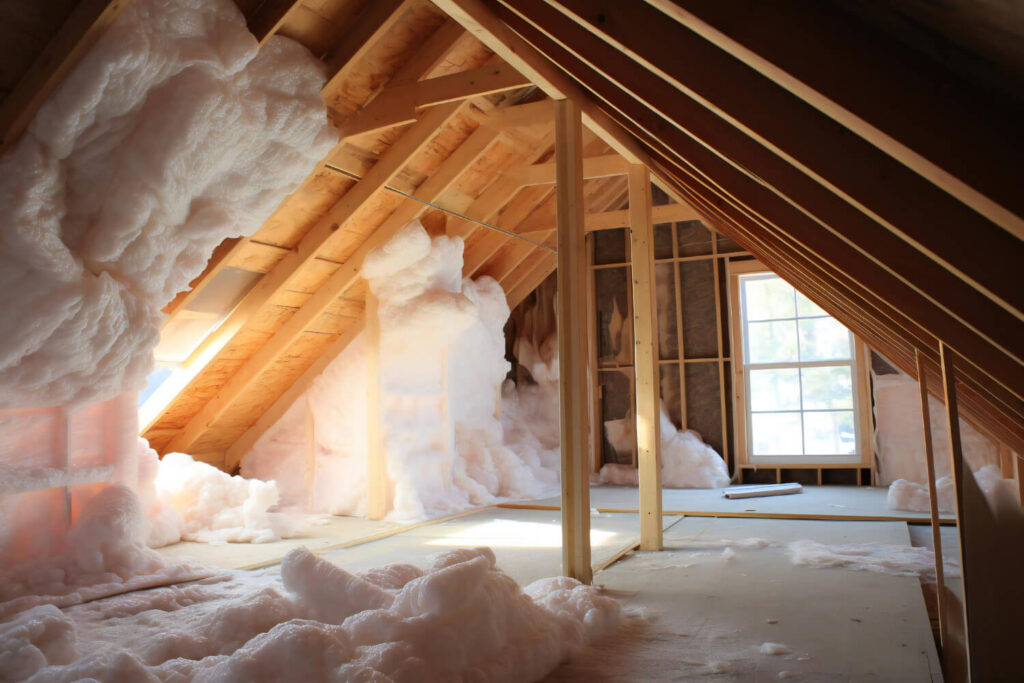
Insurance companies may be hesitant to insure homes with spray foam insulation due to concerns about improper installation and long-term risks. If installed incorrectly, particularly in roof spaces, it can trap moisture against roofing materials, leading to hidden rot and structural damage. Some older formulations also posed greater fire safety questions. Insurers are risk-averse, and a poorly executed installation represents a significant, hard-to-detect liability. However, this is not a universal ban. Many insurers will provide coverage if the installation was performed by a certified professional, includes proper ventilation detailing, and is accompanied by documentation and permits proving it meets current building codes. Homeowners should always verify contractor credentials and ensure the product used is approved for their specific application.
Foam board insulation, while effective, has several drawbacks. Its primary disadvantage is cost, as it is significantly more expensive than traditional materials like fiberglass batts. Professional installation is often required, especially for spray foam, adding to the expense. Some foam boards, particularly those using certain blowing agents, can have a higher global warming potential. It is also a vapor barrier, which can trap moisture if not installed correctly in specific climates, potentially leading to mold or structural rot. Certain types, like expanded polystyrene (EPS), are flammable and require a thermal barrier like drywall for fire safety. Finally, it offers less flexibility for retrofits in irregular spaces compared to loose-fill or batt insulation.
The cost to spray foam insulation for a 1000 sq ft area typically ranges from $1,500 to $4,000, with an average around $2,750. This wide range depends heavily on the type of foam used. Open-cell foam, which is less dense and has a lower R-value per inch, generally costs $0.44 to $0.65 per board foot, making it the more economical choice. Closed-cell foam, offering a higher R-value, superior air sealing, and moisture resistance, costs more, typically $1.00 to $1.50 per board foot. The final price is also influenced by the desired thickness (R-value), the complexity of the installation (like attic rafters versus walls), your geographic location, and the contractor's labor rates. Always obtain multiple detailed quotes that include material, labor, and site preparation.
Spray foam insulation can complicate home sales due to potential buyer concerns about moisture and improper installation. While high-quality, professionally installed spray foam is an excellent insulator, some buyers fear it can trap moisture within walls if not applied correctly, leading to hidden rot or mold. It can also make home inspections more challenging, as inspectors cannot easily see behind the foam to assess wiring or structural elements. Furthermore, if the foam was a DIY project or installed to substandard codes, it may raise red flags about air quality or even require costly removal. The key for sellers is to provide full documentation from a certified installer proving the work meets all building codes and manufacturer specifications.
Foam board insulation is an excellent choice for homes in Greater Heights, Houston, due to its high R-value per inch and resistance to moisture, which is crucial in the humid climate. It provides a continuous thermal barrier, reducing air infiltration and helping maintain consistent indoor temperatures, which lowers energy bills. When installing in this historic area, it's vital to consider the home's architecture and local building codes. Professional installation ensures proper sealing at joints and edges to maximize efficiency. Closed-cell spray foam or rigid panels are common, with the former also adding structural strength. This insulation type helps combat both Houston's summer heat and occasional winter chills effectively.
The recommended thickness for foam board insulation on basement walls typically ranges from 1 to 2.5 inches, with 2 inches being a common standard for balancing performance and cost. For optimal energy efficiency in colder climates, a thickness of 2.5 to 3 inches or more may be advised. The specific R-value—a measure of thermal resistance—is crucial; aim for at least R-10 for basements, with higher values like R-15 to R-20 providing better protection against heat loss and moisture issues. Always ensure the foam board is properly rated for below-grade use, such as extruded polystyrene (XPS) or expanded polystyrene (EPS), and install it with sealed seams to create an effective vapor barrier. Local building codes may dictate minimum requirements, so consulting these or a professional is essential for compliance and performance.
20 reviews