Houston, TX Air Duct Cleaning Service & Insulation | Atticair
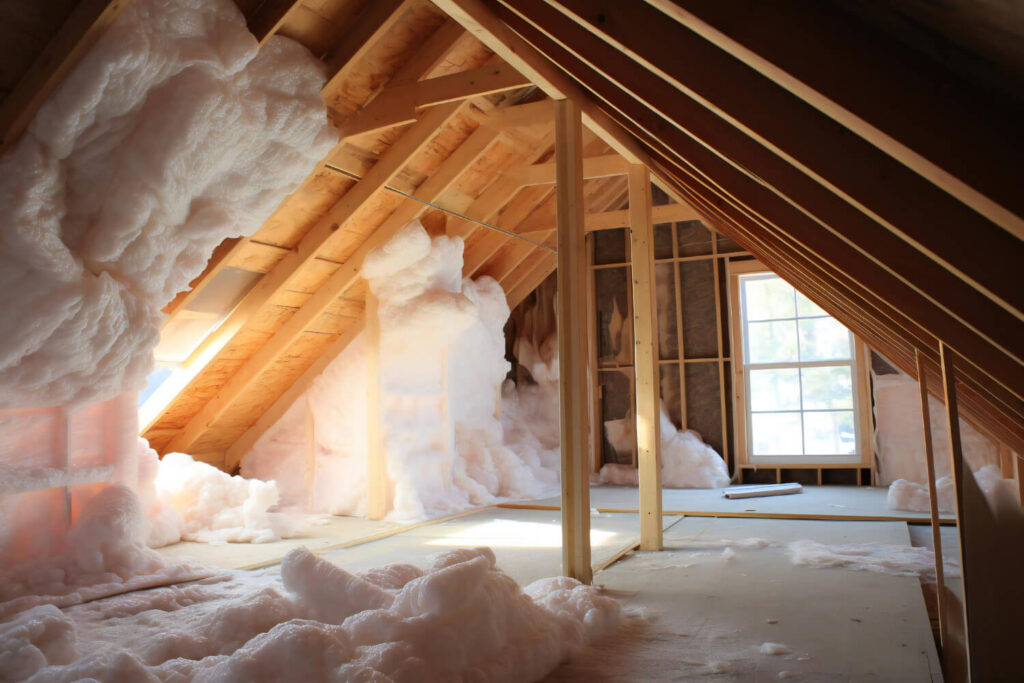
The cost to spray foam insulation for a 1000 sq ft area typically ranges from $1,500 to $4,000, with an average around $2,750. This wide range depends heavily on the type of foam used. Open-cell foam, which is less dense and has a lower R-value per inch, usually costs $0.44 to $0.65 per board foot, making it the more economical choice. Closed-cell foam, offering a higher R-value and moisture barrier, costs significantly more, typically $1.00 to $1.50 per board foot. The final price is also influenced by the desired R-value (thickness), the complexity of the installation (like attic obstructions or wall cavities), your geographic location, and the contractor's expertise. For an accurate estimate, it is essential to get a professional assessment, as proper installation is critical for performance and safety.
Insurance companies may hesitate to insure homes with spray foam insulation due to concerns over improper installation. If installed incorrectly, particularly in roof spaces, closed-cell foam can trap moisture against roofing materials, leading to hidden rot and structural damage. Some older formulations also raised fire safety and off-gassing concerns. Insurers are risk-averse, and a poorly executed job creates a long-term liability. However, this is not a universal ban. Many insurers will provide coverage if the installation is performed by a certified professional, includes proper ventilation detailing, and is accompanied by a robust warranty and inspection report. Always check with your insurer and use only accredited, experienced contractors for such work.
People are removing spray foam insulation primarily due to improper installation, which can lead to significant problems. If not mixed or applied correctly by a certified professional, the foam can fail to cure fully. This off-gassing can create persistent, strong chemical odors and potentially impact indoor air quality. Additionally, improper installation can trap moisture within wall cavities, leading to hidden mold growth and wood rot that compromises structural integrity. In some older homes, removal is part of major renovations where the original foam has degraded or no longer meets current energy codes. It's a complex, costly process that underscores the importance of hiring highly trained and experienced contractors for initial installation.
Foam insulation, while effective, has several notable disadvantages. The primary concern is its higher upfront cost compared to traditional materials like fiberglass. Closed-cell spray foam, in particular, is a significant investment. Improper installation can lead to serious issues, including off-gassing of volatile organic compounds (VOCs) and the potential to trap moisture within walls if not perfectly sealed, which can cause rot and mold. It is also a permanent fixture; removal is extremely difficult and costly if problems arise. Furthermore, some older formulations used blowing agents with high global warming potential, though newer products are improving in this area. Always hire a certified professional to ensure proper application and ventilation.
Foam board insulation is an excellent choice for homes in Galveston, Texas, due to its high R-value per inch and resistance to moisture, which is critical in the humid, coastal climate. It provides a continuous thermal barrier that minimizes air infiltration, helping to keep indoor spaces cooler in the intense summer heat and reducing energy costs. When installing in this region, it is vital to use moisture-resistant types like extruded polystyrene (XPS) or polyisocyanurate and ensure proper sealing at all joints and edges to prevent air leaks. Professional installation is recommended to address local building codes, potential flood zone requirements, and to integrate effectively with the building envelope for optimal performance and durability against the Gulf Coast environment.
When selecting the best foam board insulation for homes in Galveston, Texas, key considerations include high R-value per inch and moisture resistance due to the humid, coastal climate. Extruded polystyrene (XPS) and polyisocyanurate (polyiso) are top choices. XPS foam boards offer excellent moisture resistance and a consistent R-value of about R-5 per inch, making them suitable for below-grade and exterior applications. Polyiso provides a higher R-value, typically R-6 to R-6.5 per inch, but its performance can slightly diminish in very cold temperatures; it is often used in above-grade walls and roofing. For optimal energy efficiency and protection against humidity, a professional assessment of your specific building envelope is recommended to ensure proper installation and compliance with local building codes.
20 reviews