Houston, TX Air Duct Cleaning Service & Insulation | Atticair
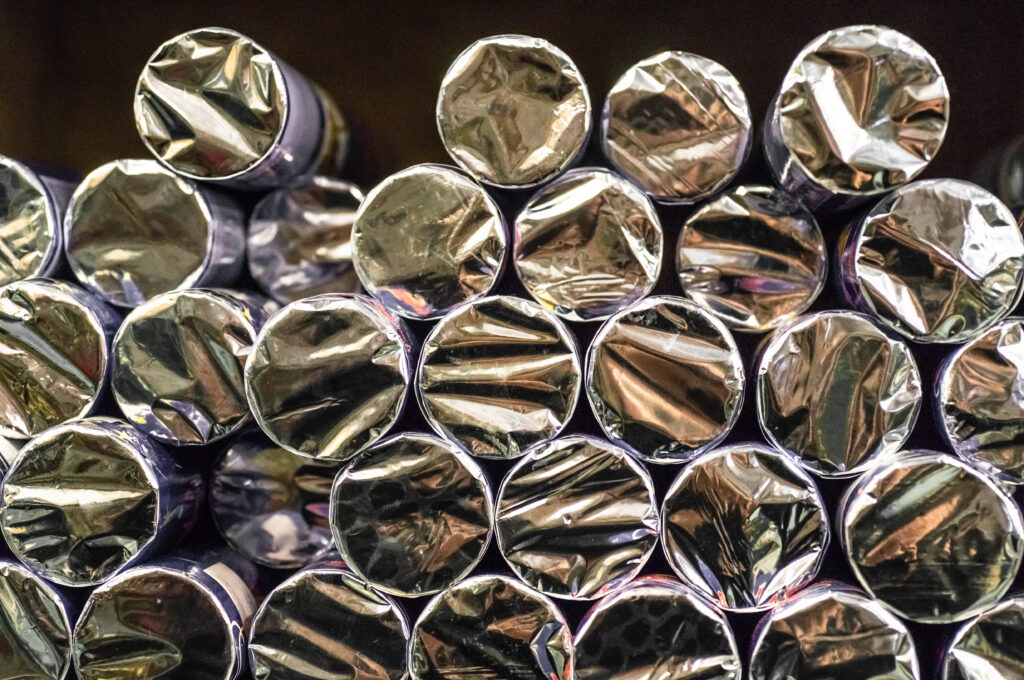
Among foam board insulation types, polyisocyanurate (polyiso) typically offers the highest R-value per inch, ranging from approximately R-6.0 to R-6.5 per inch at room temperature. It is a rigid foam board with a foil or other facer that enhances its thermal performance. However, it is important to note that polyiso's R-value can decrease slightly in very cold temperatures. Extruded polystyrene (XPS) and expanded polystyrene (EPS) follow, with R-values around R-5.0 and R-3.6 to R-4.2 per inch, respectively. For maximum thermal resistance in limited spaces, polyiso is often the preferred choice in construction, but professional assessment is recommended to select the right material based on specific application, climate, and building codes.
To keep foam board insulation securely in place, proper installation techniques are crucial. For walls, use construction adhesive designed for foam board, applying it in vertical beads or a perimeter and center pattern. For attics or floors, mechanical fasteners like plastic cap nails or screws with large washers are essential to prevent wind uplift and shifting. Always ensure the substrate is clean and dry before installation. For larger panels or specific applications, consider specialized fastening systems like furring strips or clips. It is critical to follow the manufacturer's instructions and local building codes, as improper fastening can compromise the insulation's R-value and create thermal bridges.
Foam board insulation is an excellent insulator, offering high R-values per inch, which makes it highly effective for thermal resistance. Common types include expanded polystyrene (EPS), extruded polystyrene (XPS), and polyisocyanurate (polyiso), each with varying moisture resistance and cost. It is particularly valuable for exterior wall sheathing, basement walls, and roofing applications, providing a continuous insulating layer that reduces thermal bridging. Proper installation with sealed seams is crucial to maximize its air barrier properties. While it performs well, local building codes and specific project needs regarding fire ratings and vapor retarders should always be consulted to ensure optimal and safe application.
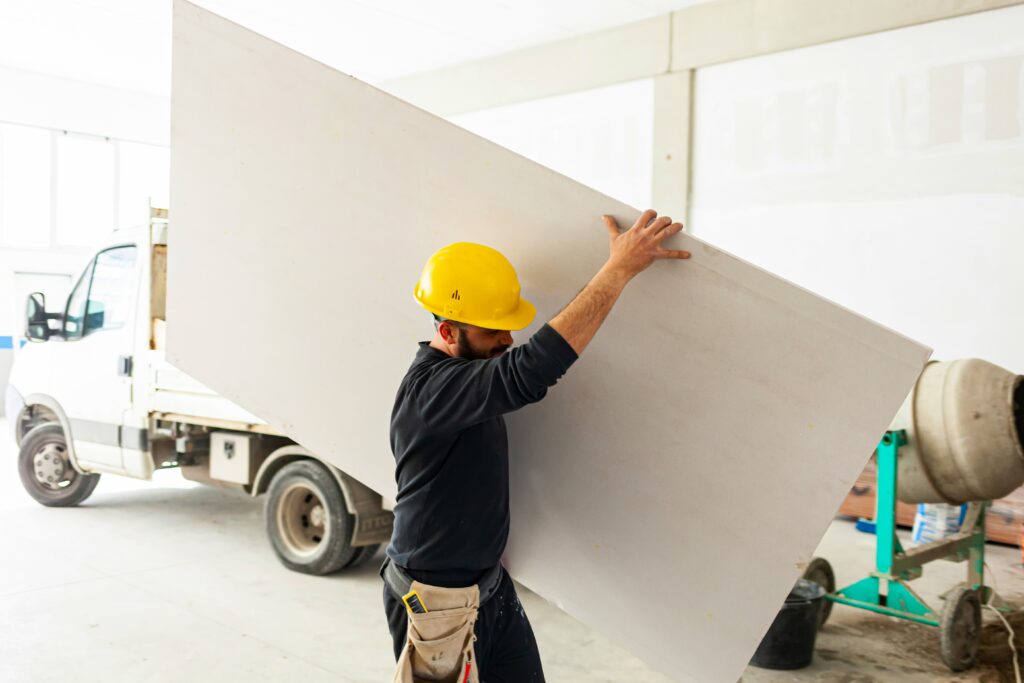
Yes, you can install foam board insulation on interior walls, and it is a common method for improving thermal performance and soundproofing in existing homes. Rigid foam panels, such as extruded polystyrene (XPS) or expanded polystyrene (EPS), are attached directly to the interior wall surface. This process typically involves securing the boards with adhesive and mechanical fasteners, then covering them with a fire-rated drywall layer to meet building codes. It is an effective solution for adding insulation without major renovations, particularly in spaces like basements or rooms with exterior walls. However, proper installation is crucial to avoid moisture traps and ensure a continuous thermal barrier. Always consult local building codes and consider potential impacts on interior room dimensions.
When selecting the best foam board insulation in the Eastex Jensen area, consider extruded polystyrene (XPS) or polyisocyanurate (polyiso) for their high R-values and moisture resistance. XPS, often recognizable by its blue or pink color, provides excellent long-term thermal performance and is highly resistant to water absorption, making it suitable for the local climate. Polyiso boards typically have a foil facing that enhances reflectivity and offers one of the highest R-values per inch. For any installation, it is crucial to ensure proper sealing of joints with recommended tape or mastic to prevent air leakage. Always consult local building codes and consider a professional assessment to determine the optimal insulation strategy for your specific attic or wall application.
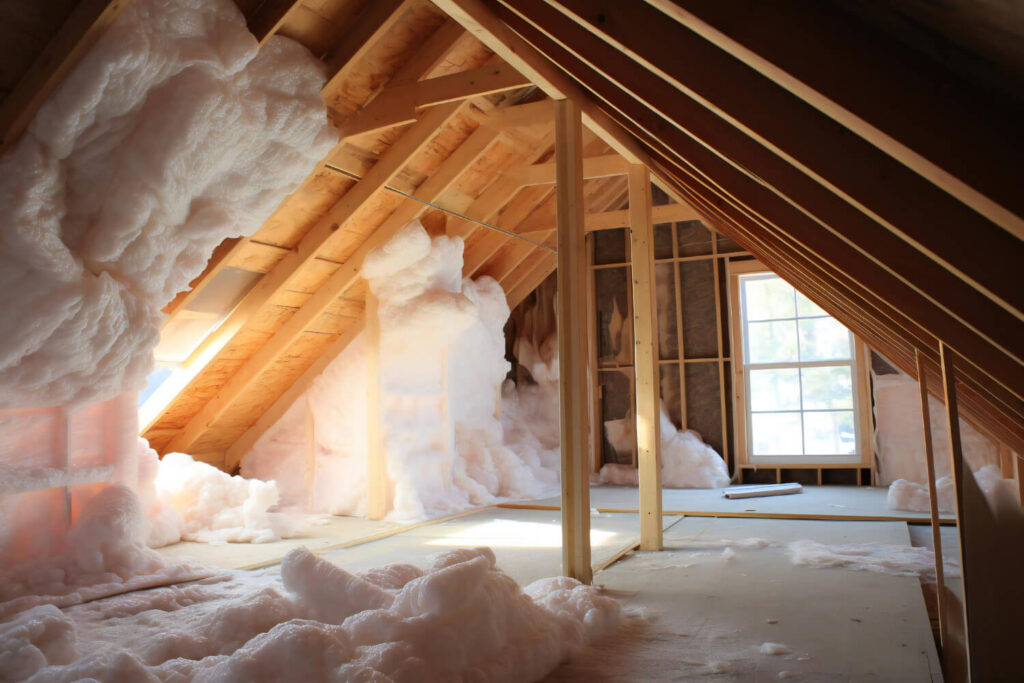
Foam board insulation is an excellent choice for homes in the Eastex Jensen area of Houston due to its high R-value per inch and moisture resistance. In Houston's humid climate, using rigid foam insulation like extruded polystyrene (XPS) or polyisocyanurate can help create a continuous thermal barrier, reducing energy loss and combating mold growth. Proper installation is critical; it must be fitted tightly and sealed at all joints with appropriate tape or mastic to prevent air infiltration. For attic or wall applications, it's often combined with other insulation types for optimal performance. Always ensure the installation complies with local building codes and is performed by a certified professional to maximize energy efficiency and home comfort.
20 reviews