Houston, TX Air Duct Cleaning Service & Insulation | Atticair
The cost to install foam board insulation varies widely, typically ranging from $1,500 to $4,500 for a standard home project, with most homeowners spending around $2,500. Key factors influencing price include the R-value (thickness and material type), the total square footage of the area being insulated, and the complexity of the installation (e.g., walls, attic, or crawl space). Labor costs for professional installation are a significant component, as proper sealing and fitting are crucial for performance. For a detailed look at the application and benefits of this insulation type in our local area, we recommend reading our internal article, Foam Board Insulation in Northside / Northline. Always get multiple quotes from certified professionals to ensure a proper, energy-efficient installation.
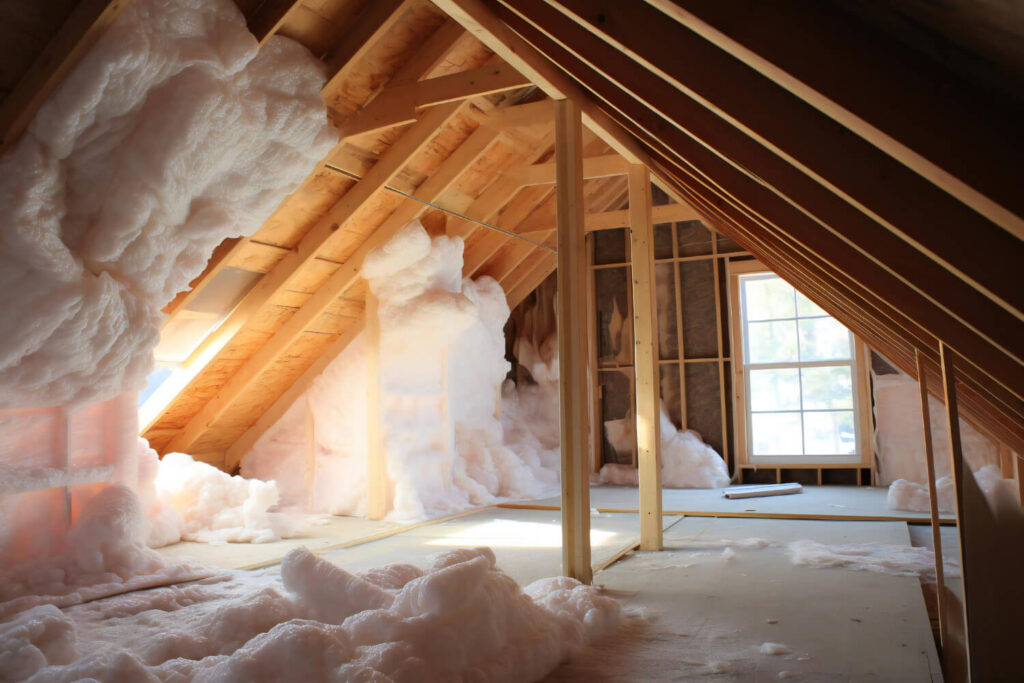
The cost to spray foam insulation for a 1000 square foot area typically ranges from $1,500 to $4,000, with a national average around $2,500. This wide range depends heavily on the type of foam used. Open-cell foam, which is less dense and has a lower R-value per inch, usually costs $0.44 to $0.65 per board foot, making it the more economical choice. Closed-cell foam, offering a higher R-value, superior air sealing, and moisture resistance, costs significantly more, typically $1.00 to $1.50 per board foot. The final price is also influenced by the desired R-value (thickness), the complexity of the installation (like attic obstructions or wall cavities), your geographic location, and the contractor's labor rates. For an accurate estimate, it is essential to get a professional assessment of your specific project.
Insurance companies may be hesitant to insure homes with spray foam insulation due to concerns over improper installation. If not applied correctly by a certified professional, spray foam can trap moisture within walls, leading to hidden rot, mold growth, and structural damage. Some older formulations also posed fire safety risks if they were not adequately treated with fire retardants. Insurers view these potential long-term, concealed damages as a significant liability. However, many providers will insure a home with spray foam if there is documented proof of a proper installation by a licensed contractor and, in some cases, a passing inspection. Homeowners should always maintain detailed records and consult with their insurer before proceeding with this type of insulation upgrade.
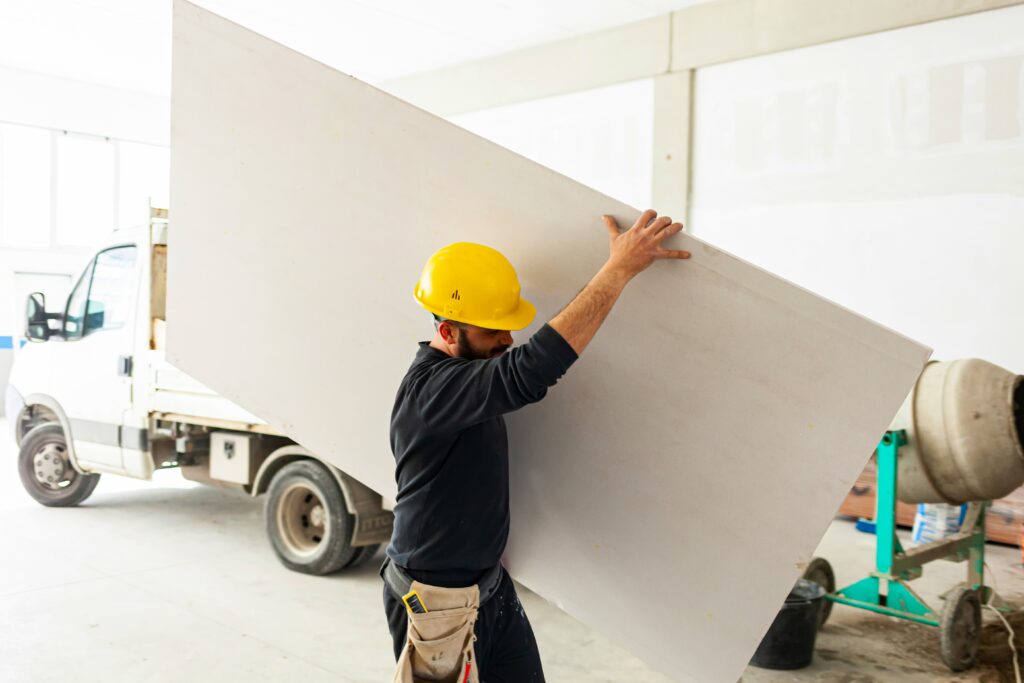
Foam board insulation, while effective, has several notable disadvantages. Its primary drawback is cost, as it is generally more expensive per square foot than batt or blown-in insulation. It also requires precise installation; gaps or improper sealing can significantly reduce its thermal performance. Unlike some materials, foam boards offer minimal sound dampening. Certain types, like expanded polystyrene (EPS), can be damaged by moisture if not properly protected, and extruded polystyrene (XPS) uses blowing agents with a high global warming potential. Critically, most foam boards are combustible and require a thermal barrier, like drywall, for fire safety in living spaces, adding to installation complexity and cost.
The cost of foam board insulation in the Pleasantville area typically ranges from $1.50 to $4.50 per square foot for materials and professional installation, with the final price depending on several key factors. These include the type of foam board (like expanded or extruded polystyrene), the R-value required, the total square footage of the area being insulated, and the accessibility of the installation site. For a standard project, such as insulating basement walls or an attic, homeowners might expect an average total cost between $1,500 and $3,500. It is highly recommended to obtain multiple detailed quotes from licensed local contractors, as proper installation is crucial for achieving the advertised thermal performance and air-sealing benefits of foam board products.
Using a 4-inch foam insulation board is a highly effective method for achieving superior thermal resistance, particularly in applications like basement walls, exterior sheathing, or roofing where higher R-values are required. This thickness typically provides an R-value between R-20 and R-30, depending on whether it's expanded polystyrene (EPS), extruded polystyrene (XPS), or polyisocyanurate (polyiso). It creates a continuous insulation layer that minimizes thermal bridging. Proper installation is crucial, including sealing all joints with tape or mastic to ensure an airtight barrier. For a deep dive into the types, benefits, and installation best practices for this material, refer to our detailed resource: Foam Board Insulation. Always follow local building codes and manufacturer specifications.
A 1-inch foam insulation board is a versatile and effective material for improving a building's thermal envelope. Typically made from rigid polystyrene (EPS or XPS) or polyisocyanurate, it provides a high R-value per inch, ranging from approximately R-3.8 to R-6.5 depending on the specific type. This makes it an excellent choice for interior wall sheathing, basement walls, and exterior applications under siding. Its rigid nature adds structural strength and acts as a strong moisture and air barrier when seams are properly sealed with tape. For a deeper dive into the types, benefits, and installation best practices for this material, we recommend reading our detailed internal article, Foam Board Insulation. Proper installation is key to maximizing its performance and preventing thermal bridging.
20 reviews