Houston, TX Air Duct Cleaning Service & Insulation | Atticair
The cost to install a radiant barrier typically ranges from $1,200 to $3,500 for an average-sized attic, with a national average around $2,000. This price is influenced by several key factors. The primary one is the size and accessibility of your attic, as larger or more complex spaces require more material and labor. The type of radiant barrier material chosen—such as foil-faced sheathing, reflective paint, or single or double-sided foil rolls—also affects the price. Professional installation, which is highly recommended for optimal performance and safety, includes labor costs that vary by region and contractor expertise. Additional costs may arise if existing insulation needs adjustment or if ventilation improvements are required to prevent moisture issues. For an accurate estimate, it is best to obtain quotes from certified professionals who can assess your specific attic conditions.
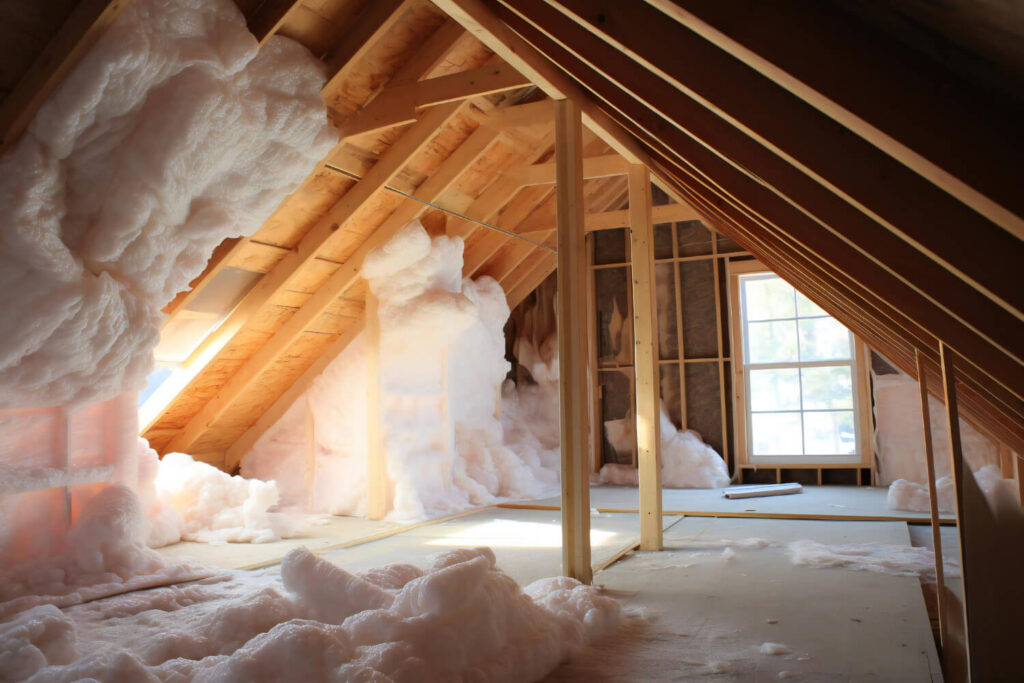
The cost to insulate a 2000 sq ft home varies widely based on the insulation type, material, and whether it's a new install or an upgrade. For professional installation of common materials like fiberglass batts, you might expect a range of $1,500 to $3,000. For blown-in cellulose or fiberglass in attics and walls, costs often range from $2,000 to $4,500. High-performance spray foam insulation is significantly more expensive, typically ranging from $3,500 to $7,500 or more for that square footage. These estimates include labor and material. Key factors affecting price include your geographic location, the area being insulated (attic, walls, crawlspace), the desired R-value, and the accessibility of the spaces. Always obtain multiple detailed quotes from certified contractors who perform an on-site assessment.
Radiant barrier installation may qualify for tax credits, but it depends on specific government programs and eligibility criteria that change over time. In the United States, federal tax credits for home energy efficiency often focus on products meeting certain performance standards, such as specific R-values for insulation. While radiant barriers can significantly reduce heat transfer and improve energy efficiency, they are sometimes categorized separately from traditional mass insulation in tax code. Homeowners should consult the current IRS guidelines or a tax professional, as credits may be available under provisions for "building envelope components" or similar categories. Always keep detailed receipts and manufacturer certification statements specifying the product's eligibility.
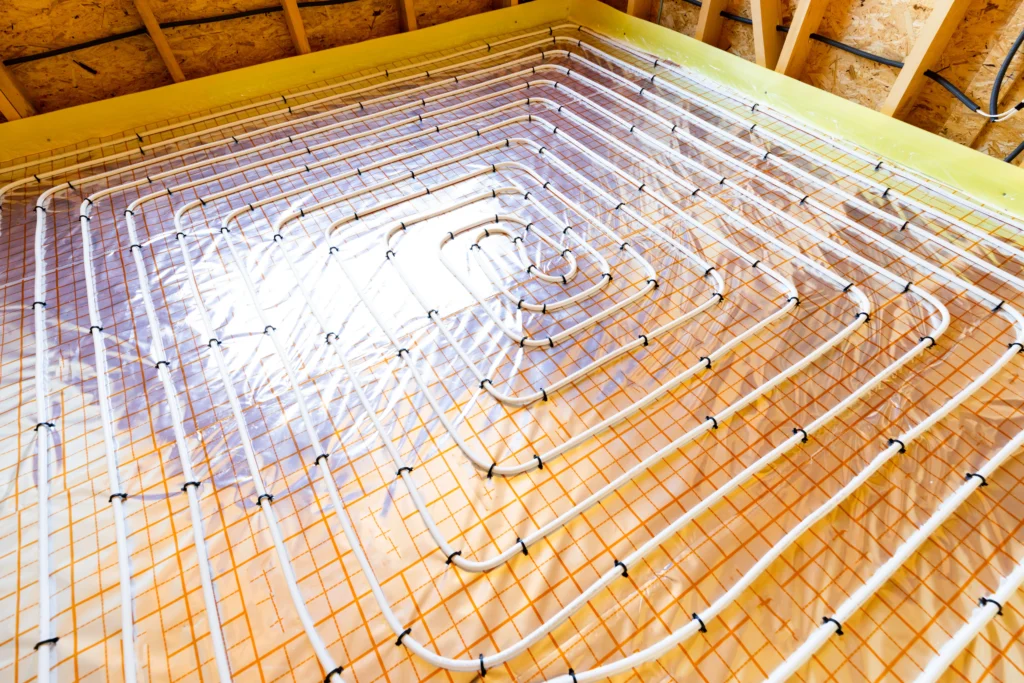
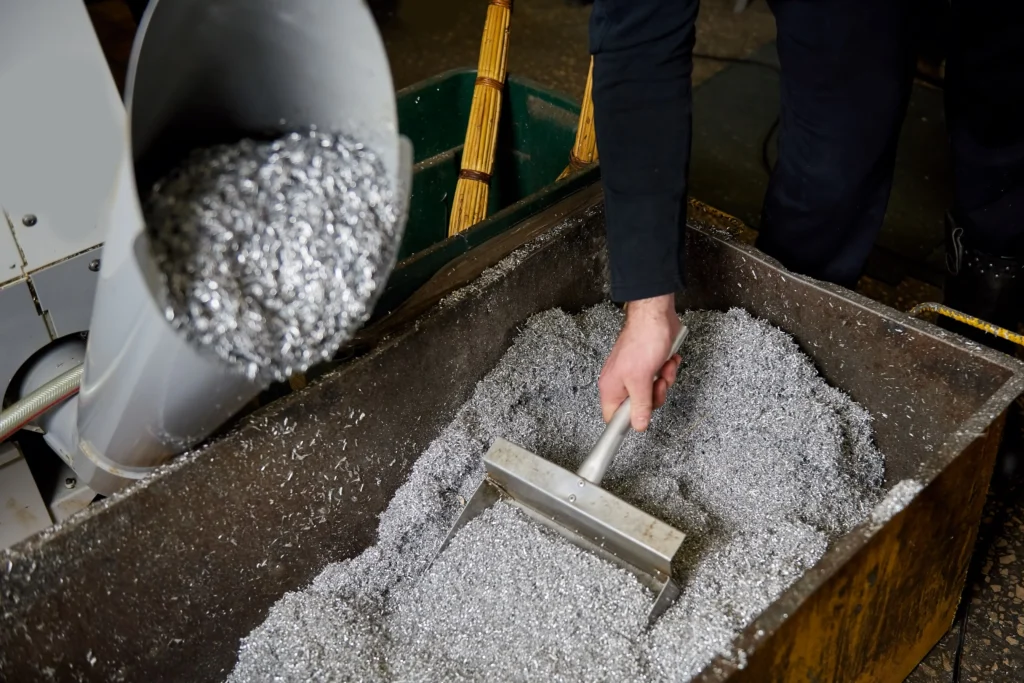
Spray on radiant barrier coatings can be effective when applied correctly, but their performance depends heavily on the specific product and installation. These coatings typically contain reflective pigments, like aluminum flakes, suspended in a binder. When sprayed onto an attic's underside or other surfaces, they aim to reduce radiant heat transfer. For optimal results, the surface must be clean and the coating applied evenly to create a continuous, reflective layer. While they can complement traditional insulation by addressing radiant heat, they are not a substitute for sufficient mass insulation (like fiberglass or cellulose) that resists conductive heat flow. Industry standards emphasize that the most effective attic strategy combines proper ventilation, adequate mass insulation to meet local R-value codes, and a radiant barrier installed with an air gap facing the airspace. Performance claims vary, so it's wise to review independent testing data from sources like the Reflective Insulation Manufacturers Association (RIMA) before investing.
Radiant barriers are an effective solution for homes in Kingwood, Texas, to combat intense solar heat gain. Installed in attics, typically under the roof decking, these reflective materials work by reflecting radiant heat away from the living space, rather than absorbing it. This is particularly valuable in the hot, humid climate of Southeast Texas, as it can significantly reduce attic temperatures and lessen the strain on your air conditioning system. While not a replacement for traditional insulation (which resists conductive heat flow), a properly installed radiant barrier can enhance overall energy efficiency, leading to improved home comfort and potential savings on cooling costs during the long summer months.
The cost of installing a radiant barrier in Kingwood, Texas, typically ranges from $1,200 to $2,500 for a standard-sized attic, with variations based on attic size, material quality, and labor. Professional installation is highly recommended to ensure proper placement with an air gap, which is crucial for the barrier's effectiveness in reflecting radiant heat. This investment can significantly reduce attic temperatures, lowering cooling costs by up to 10-15% in our hot climate. For an accurate quote specific to your home, it's best to schedule a professional assessment with a local, certified installer who can evaluate your attic's layout and existing ventilation.
20 reviews