Houston, TX Air Duct Cleaning Service & Insulation | Atticair
The cost of installing a radiant barrier in an attic varies significantly based on factors like home size, attic complexity, and material quality. On average, homeowners can expect to pay between $0.50 to $1.50 per square foot for professional installation, with total project costs typically ranging from $1,200 to $3,500 for a standard home. This investment primarily covers the specialized foil material and skilled labor for proper installation, which is crucial for maximizing reflective performance and ensuring adequate air gaps. For a detailed breakdown of how radiant barriers work and their benefits, we recommend reading our internal article, Radiant Barrier. It's a cost-effective upgrade that can improve home energy efficiency and comfort.
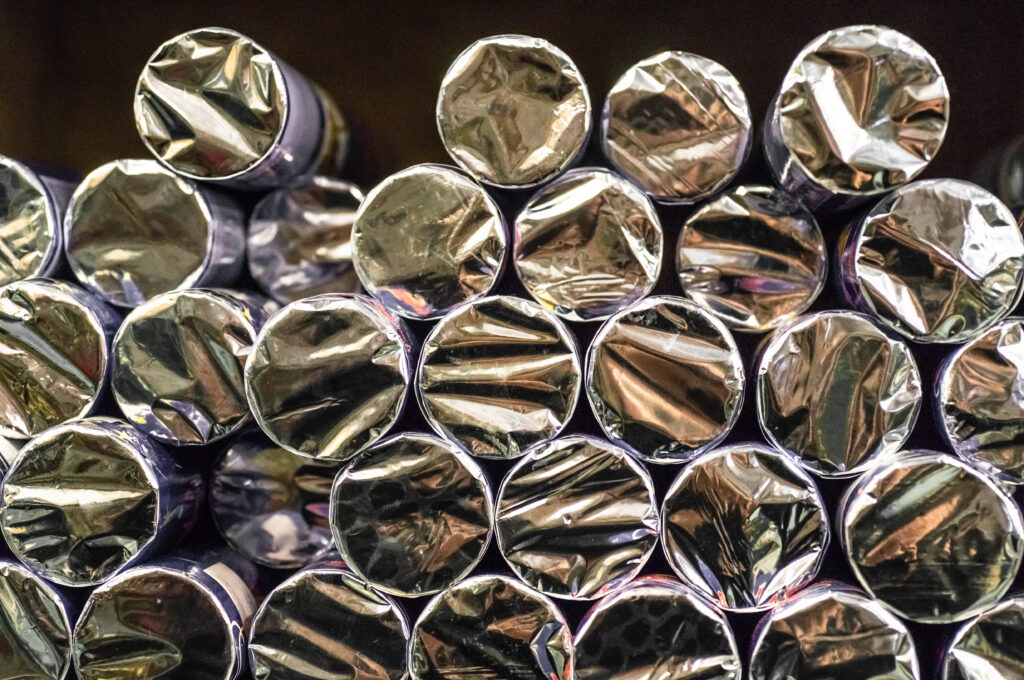
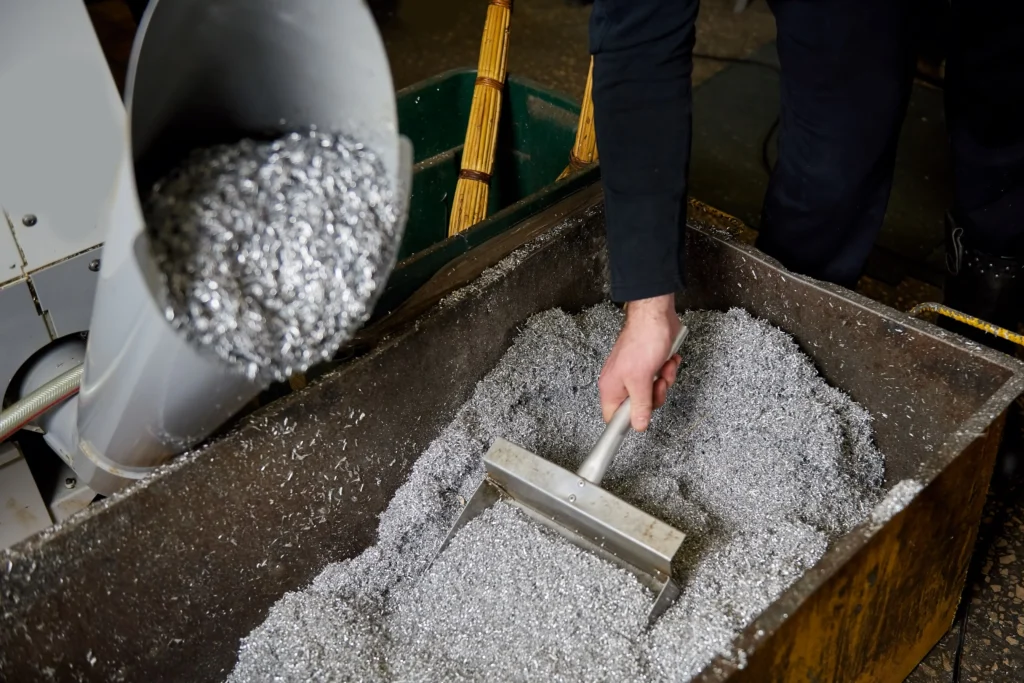
The best radiant barrier depends on your specific attic conditions and climate. For most homes, a double-sided aluminum foil radiant barrier with high reflectivity (over 95%) is highly effective. It should be installed facing an air gap, typically under the roof rafters, to reflect radiant heat away from the living space. In hot climates, this can significantly reduce cooling costs. Ensure the product is certified by a reputable body, like the Reflective Insulation Manufacturers Association (RIMA). Professional installation is key, as improper placement or covering the barrier with insulation negates its benefits. For existing attics, perforated barriers allow moisture to escape, preventing mold.
Radiant barriers are designed to be a long-lasting component of a home's thermal envelope. When properly installed in a suitable, protected environment like an attic, a high-quality foil radiant barrier can remain effective for decades. The material itself, typically aluminum foil laminated to a substrate, does not degrade or lose its reflective properties over time unless it becomes compromised. The primary factors affecting longevity are dust accumulation, which can reduce reflectivity, and physical damage from pests, moisture, or improper handling during other attic work. For optimal, sustained performance, it's crucial to ensure the barrier is installed with an air gap facing the heat source. For a deeper dive into installation and benefits, see our detailed resource: Radiant Barrier.
Radiant barrier installation may qualify for federal tax credits, but it is crucial to understand the specific criteria. Currently, the primary federal tax credit for home energy efficiency, such as the Energy Efficient Home Improvement Credit, typically covers air sealing and insulation that meet specific performance standards. Radiant barriers, which reflect radiant heat in attics, are a specialized product. Their eligibility often hinges on whether they are certified to meet the prescribed R-value requirements set by the IRS, which they frequently do not as standalone products. It is essential to review the latest IRS guidelines (like Publication 5695) and consult with a tax professional, as credits, amounts, and qualifying products change. Always keep detailed receipts and manufacturer certification statements.
The cost of installing a radiant barrier in Brookshire, Texas, typically ranges from $1,200 to $3,000 for a standard 2,000-square-foot attic, with an average cost around $1,800. This price is influenced by factors like attic size, accessibility, the specific material used (foil-faced or spray-on), and local labor rates. A professional radiant barrier installation involves applying a reflective material, usually aluminum foil, to the underside of the roof rafters or existing attic floor insulation to reflect radiant heat, significantly reducing cooling costs. For an accurate quote tailored to your home, it is essential to schedule an on-site assessment with a certified local contractor who can evaluate your attic's specific conditions and recommend the most effective solution.
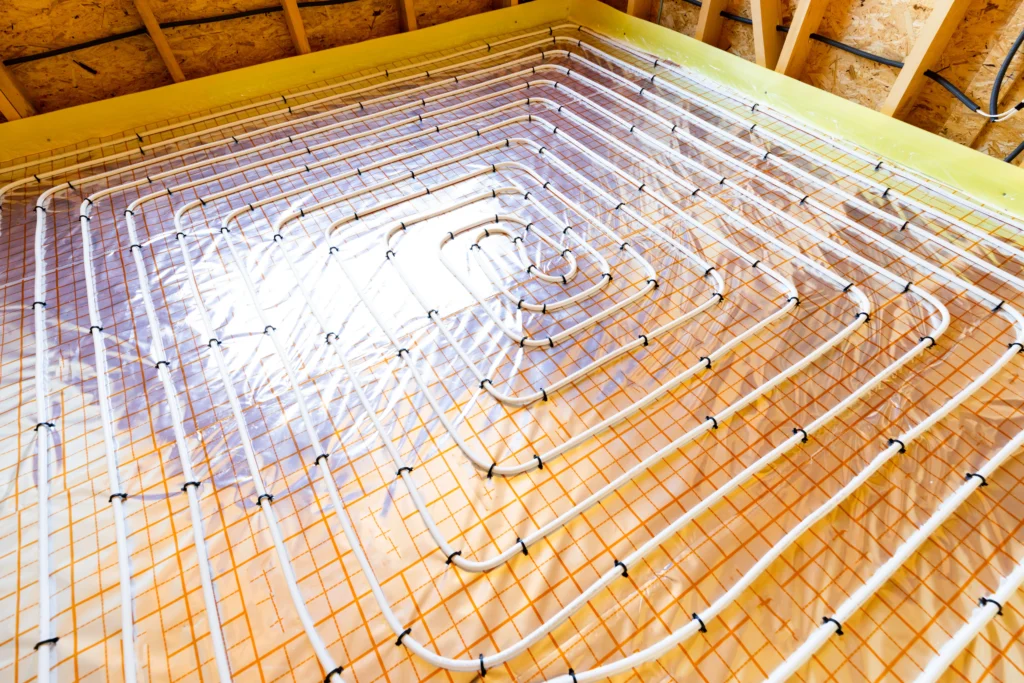
Radiant barrier installation involves placing a reflective material, typically aluminum foil, in attics or walls to reduce heat transfer. This barrier reflects radiant heat, keeping homes cooler in summer and reducing air conditioning loads. Proper installation is key: it should be installed with an air gap facing the heat source, often stapled to the underside of roof rafters or over existing insulation. Ensure the barrier is not covered by insulation, as this negates its reflective properties. Professional installation is recommended to avoid issues like condensation or improper sealing. This upgrade can significantly improve energy efficiency and comfort, complementing other insulation and air sealing measures for a comprehensive home performance solution.
Radiant barrier installers are specialized professionals who focus on enhancing a home's thermal efficiency by reducing radiant heat transfer. They typically install reflective materials, often aluminum foil-based sheets, in attics or walls to reflect radiant heat away from living spaces. Proper installation is crucial; installers must ensure the barrier faces an air gap and is not compressed by insulation, as this can negate its effectiveness. They assess the attic's structure, seal air leaks first, and follow building codes. Hiring a certified installer from a reputable company like Atticair ensures the job is done correctly, maximizing energy savings and improving indoor comfort by keeping homes cooler in summer and reducing HVAC strain.
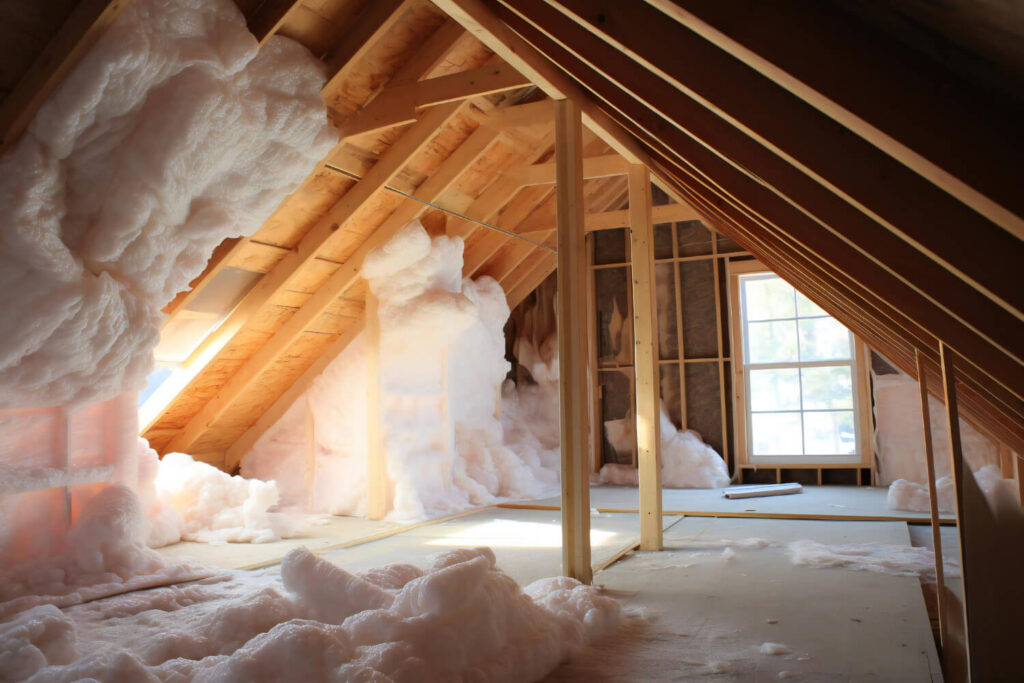
Radiant barriers and insulation are essential components for improving home energy efficiency and comfort. A radiant barrier is a reflective material, typically aluminum foil, installed in attics to reduce radiant heat transfer, keeping homes cooler in summer. Insulation, such as fiberglass or cellulose, resists conductive heat flow, maintaining temperatures year-round. The ultimate approach combines both: proper attic insulation (meeting local R-value codes) with a professionally installed radiant barrier on the underside of roof rafters. This dual system significantly reduces HVAC strain, lowers utility bills, and enhances indoor air quality by minimizing ductwork temperature extremes. Always consult with a certified professional like Atticair to assess your home's specific needs for optimal performance and safety.
20 reviews