Houston, TX Air Duct Cleaning Service & Insulation | Atticair
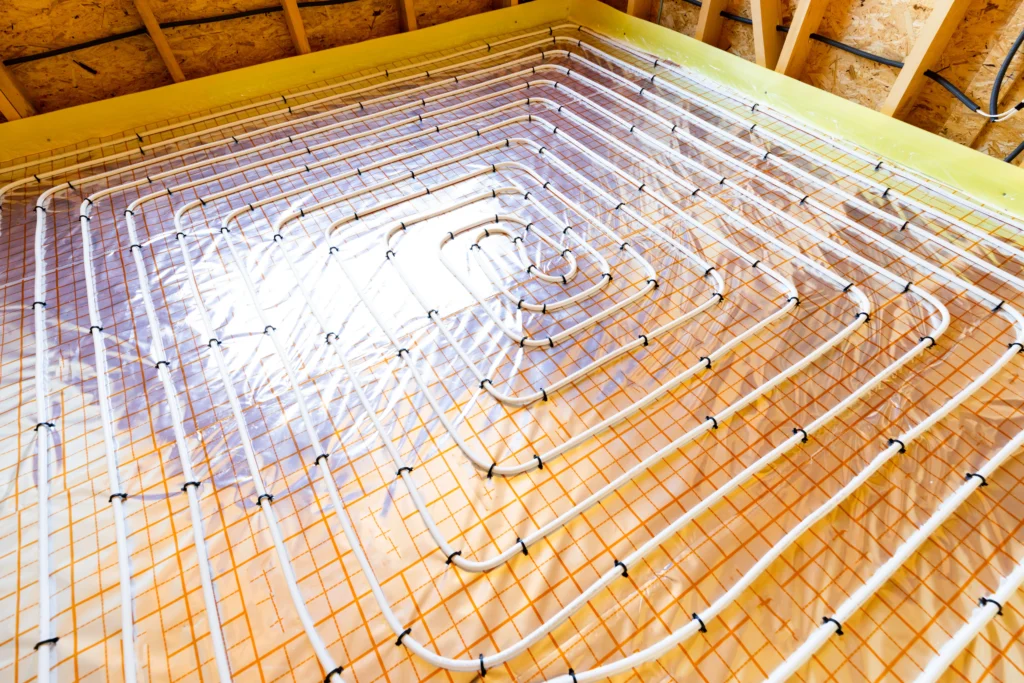
The cost to install a radiant barrier typically ranges from $1,200 to $3,500 for an average-sized attic, with a national average around $1,700. This price is influenced by several key factors. The primary one is the size and accessibility of your attic, as larger or more complex spaces require more material and labor. The type of radiant barrier material—such as foil-faced sheathing, reflective paint, or foil laminate rolls—also affects the price. Professional installation is highly recommended to ensure proper placement with an air gap, which is critical for the barrier's effectiveness. While a DIY approach is possible, improper installation can severely reduce performance. Investing in a professional installation from a certified contractor ensures the barrier meets industry standards, maximizes your home's energy efficiency by reflecting radiant heat, and can contribute to significant long-term savings on cooling costs.
Radiant barriers can be a worthwhile investment in Houston's hot and sunny climate. They work by reflecting radiant heat from the sun, which is a primary driver of attic temperature gain. When properly installed under the roof decking, a radiant barrier can significantly reduce the amount of heat transferred into your attic and living spaces. This can lower your air conditioning load, potentially reducing cooling costs by 5% to 10% in a well-insulated home. However, its effectiveness is maximized when combined with adequate traditional attic insulation (like blown-in fiberglass or cellulose) and a robust ventilation system. For Houston homeowners, the upfront cost is often justified by long-term energy savings and improved indoor comfort during the intense summer months. It is a strong supplemental measure, not a replacement for sufficient bulk insulation.
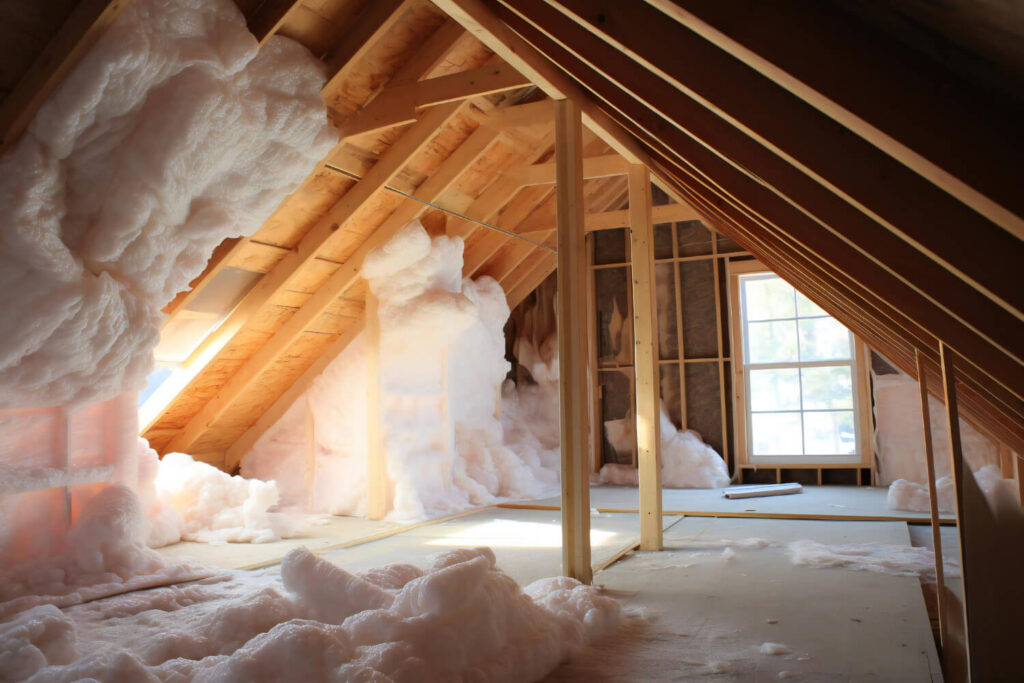
A highly effective alternative to radiant barriers is spray foam insulation, which provides both thermal resistance and an air sealing function. Unlike radiant barriers that primarily reflect radiant heat, spray foam creates a continuous, airtight layer that minimizes convective heat transfer and reduces air infiltration. This dual-action approach often yields superior energy savings in many climates. Another strong option is rigid foam board insulation, which offers high R-value per inch and can be installed on walls, roofs, and foundations. For attics specifically, a combination of traditional bulk insulation like blown-in cellulose or fiberglass batts, properly installed to the correct depth, remains a standard and cost-effective method for achieving significant thermal performance.
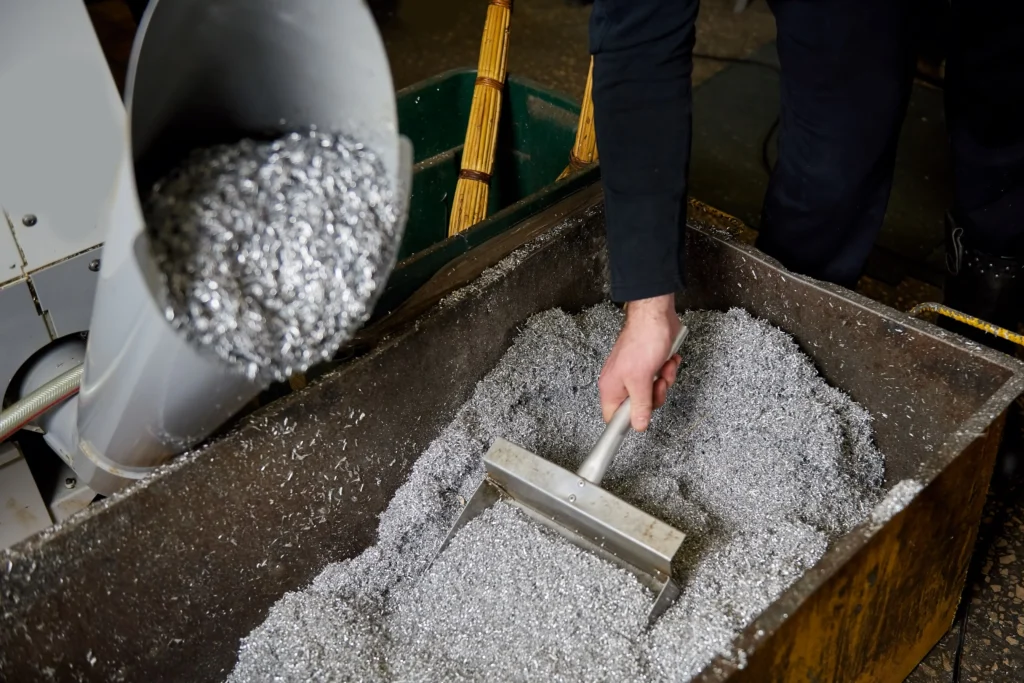
Spray on radiant barrier coatings can be effective when applied correctly, but their performance is highly dependent on the specific product and installation. These coatings typically contain reflective materials like aluminum flakes suspended in a binder. When sprayed onto an attic's underside, they aim to reduce radiant heat transfer, which is a primary source of heat gain in summer. For optimal results, the coating must be applied to a clean surface to form a continuous, low-emissivity layer. While they can contribute to improved thermal performance, their real-world effectiveness is often less than that of traditional foil-type radiant barriers. Industry standards suggest that proper attic ventilation and sufficient bulk insulation (like fiberglass or cellulose) are more critical for overall energy efficiency. A spray-on barrier should be considered a supplemental measure, not a replacement for a well-insulated and ventilated attic space.
Radiant barriers are an effective solution for homes in Conroe, Texas, where intense summer heat is a major concern. These barriers, typically reflective foil materials installed in attics, work by reflecting radiant heat away from the living space, rather than absorbing it like traditional insulation. This significantly reduces heat transfer through the roof, lowering attic temperatures and reducing the workload on your air conditioning system. For optimal performance in the local climate, professional installation is key to ensuring an uninterrupted, air-gapped layer. When combined with proper attic ventilation and adequate traditional insulation like blown-in fiberglass, a radiant barrier can enhance overall energy efficiency, improve indoor comfort, and lead to meaningful savings on cooling bills.
The cost of installing a radiant barrier in Conroe, Texas, typically ranges from $1,200 to $3,000 for an average-sized attic, with variations based on square footage, attic complexity, and material quality. This investment is highly effective in the local climate, as it reflects radiant heat from the sun, significantly reducing attic temperatures and lowering cooling costs. Professional installation is recommended to ensure proper placement over existing insulation, with an air gap maintained for optimal performance. Homeowners should obtain multiple estimates from certified local contractors who can assess specific needs, such as addressing air leaks or ductwork, to maximize energy savings and improve overall home comfort.
20 reviews