Houston, TX Air Duct Cleaning Service & Insulation | Atticair
The cost of a radiant barrier installation varies significantly based on factors like home size, attic complexity, and regional labor rates. For a typical single-family home, homeowners can expect a professional installation to range from $1,200 to $3,500. This investment primarily covers high-quality foil material and expert labor to ensure proper placement without compressing existing insulation. While DIY kits are available for a few hundred dollars, professional installation is strongly recommended to achieve the correct air gap and coverage, which are critical for performance. For a deeper understanding of how radiant barriers work and their benefits, we recommend reading our internal article Radiant Barrier.
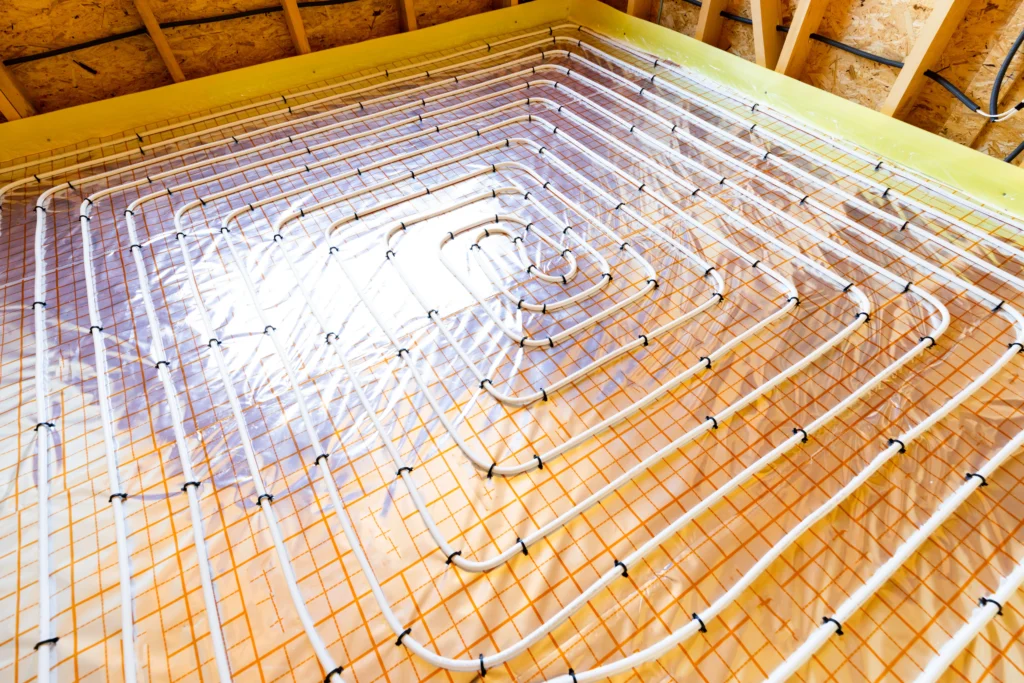
Radiant barriers can be a worthwhile investment for many Houston homes due to the region's intense, direct sunlight and long, hot summers. These barriers, typically installed in the attic, reflect radiant heat away from the living space, preventing it from being absorbed through the roof decking. This can significantly reduce attic temperatures, which in turn lessens the workload on your air conditioning system. The primary benefit is improved cooling efficiency and potential energy savings, especially during peak summer months. However, its effectiveness depends on proper installation and your home's specific characteristics, such as existing insulation levels and air sealing. For a comprehensive assessment, it's best to consult with a professional who can evaluate your attic's current condition and recommend a holistic approach that may include air sealing and insulation alongside a radiant barrier for optimal performance.
Galveston is primarily protected from hurricane tidal surges by the Galveston Seawall, a massive concrete barrier extending over 10 miles along the Gulf of Mexico. This engineering marvel, initially constructed after the devastating 1900 hurricane, is bolstered by an extensive system of levees, floodgates, and pump stations. The Galveston Island Park Board of Trustees and the U.S. Army Corps of Engineers maintain and continuously improve these defenses. Additionally, natural barriers like sand dunes and wetlands provide critical absorption of storm energy. Residents and businesses are also encouraged to elevate structures and follow strict building codes to mitigate flood damage, forming a multi-layered approach to coastal resilience.
Yes, a radiant barrier can be very effective in reducing summer heat gain. It works by reflecting radiant heat, which is a primary way heat enters an attic during hot, sunny weather. Installed under the roof rafters, the barrier's reflective surface bounces a significant portion of the solar radiation away from the living space below. This can lower attic temperatures by up to 30 degrees Fahrenheit, reducing the workload on your air conditioning system. The result is often improved comfort and potential energy savings. For optimal summer performance, it is crucial that the barrier is installed correctly with an air gap facing the attic space and that existing attic insulation levels are already adequate, as radiant barriers do not replace traditional insulation like fiberglass or cellulose.
20 reviews