Related Articles
People Also Ask
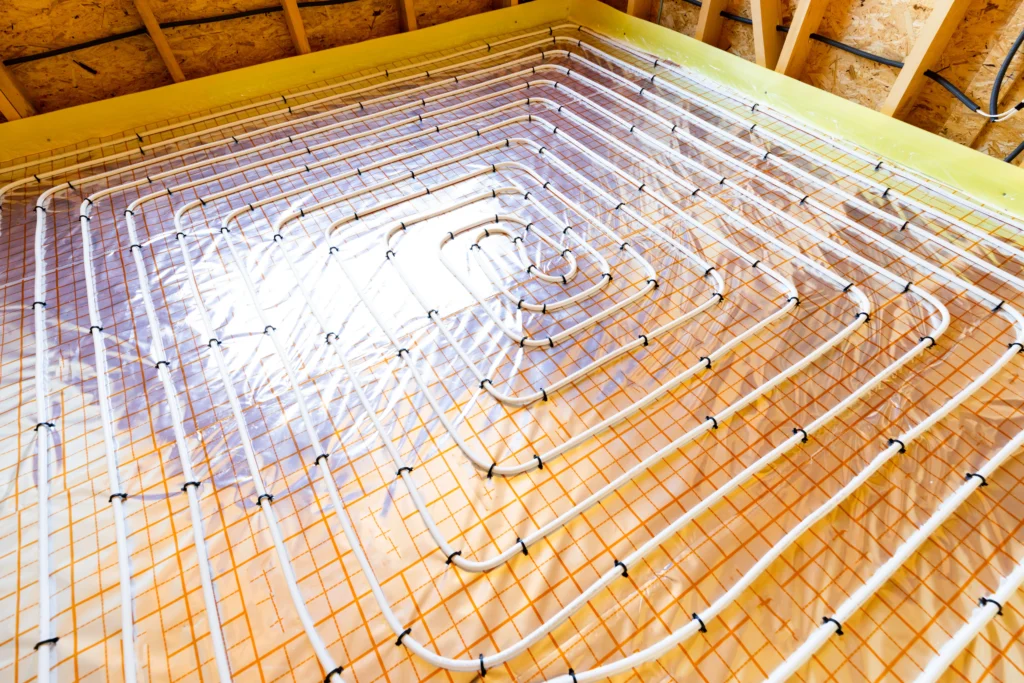
The cost to install a radiant barrier varies significantly based on factors like home size, attic accessibility, and regional labor rates. For a typical single-family home, professional installation of a foil-type radiant barrier in the attic often ranges from $1,200 to $2,500. This generally includes materials and labor for stapling the barrier to the underside of the roof rafters. More complex jobs or homes with high ceilings and difficult access can increase the cost. It is a worthwhile investment for improving energy efficiency by reflecting radiant heat, which can reduce cooling costs. Always obtain multiple detailed quotes from certified professionals to ensure proper installation for optimal performance.
This is a complex question as spray foam insulation and radiant barriers serve fundamentally different primary functions. Spray foam is an air barrier and conductive insulator, designed to resist heat transfer and air leakage. A radiant barrier is a reflective material that blocks radiant heat transfer, most effective in hot climates and attics. For optimal home performance, they are often used together. A properly air-sealed attic with spray foam creates a conditioned space, while a radiant barrier can further reduce radiant heat gain from the roof deck. For a detailed analysis of how radiant barriers work and their ideal applications, please refer to our internal article Radiant Barrier. The "better" choice depends entirely on your climate, home design, and specific performance goals, and a professional assessment is recommended.
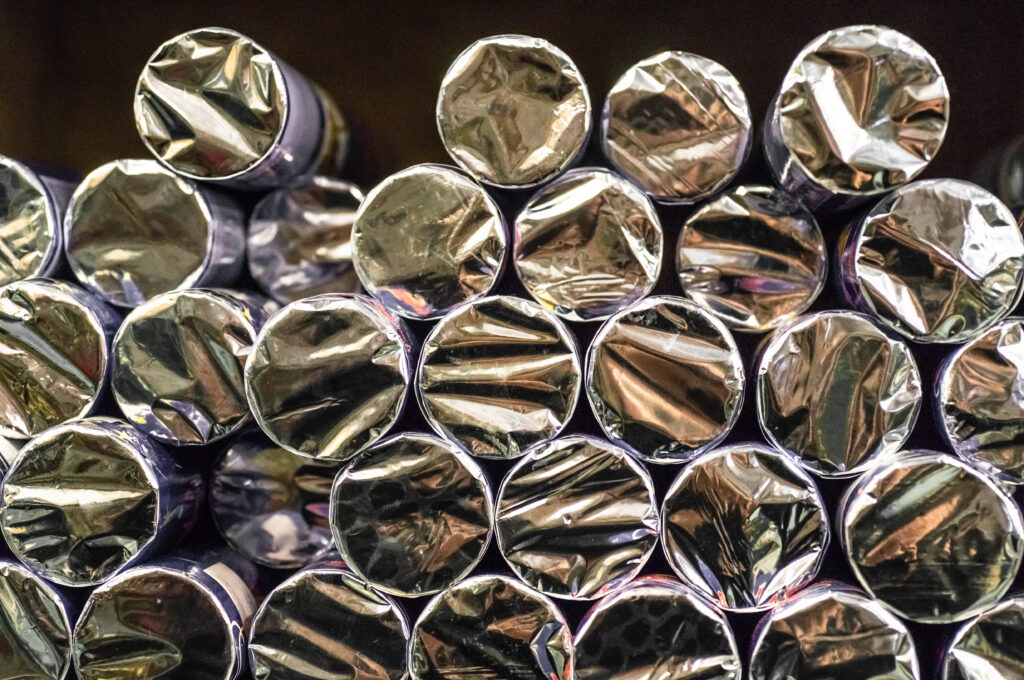
Radiant barriers are designed to be a long-term solution for improving home energy efficiency. When properly installed in a well-ventilated attic space, a high-quality radiant barrier can last for decades without significant degradation. The lifespan is primarily dependent on the material's construction; most are made from durable, aluminum-laminated substrates that are resistant to moisture and will not support mold growth. Unlike traditional insulation that can settle or compress, a radiant barrier's reflective properties remain effective as long as the surface is kept clean and free from dust accumulation or physical damage. For a complete overview of how radiant barriers work and their benefits, please refer to our detailed resource: Radiant Barrier.
The best radiant barrier depends on your specific attic conditions and climate. For most homes, a double-sided aluminum foil radiant barrier with high reflectivity (over 95%) is highly effective. It should be installed facing an air gap to properly reflect radiant heat away from the living space. In hot climates, this can significantly reduce attic temperatures and cooling costs. However, in mixed or cold climates, its benefits are more limited, and proper attic ventilation and insulation are often more critical. Always choose a product that is durable, fire-resistant, and installed according to manufacturer specifications and local building codes to ensure safety and performance.
Radiant barriers are an effective solution for homes in Rosenberg, Texas, where intense sun and heat can significantly increase attic temperatures. Installed in the attic, typically under the roof decking, a radiant barrier reflects radiant heat away from the living space, rather than absorbing it. This can reduce attic temperatures by up to 30 degrees Fahrenheit, lowering the strain on your air conditioning system and improving overall energy efficiency. For optimal performance in the local climate, it's crucial to ensure proper installation with an air gap and to address any existing attic ventilation or insulation issues first. Consulting with a local professional like Atticair ensures the barrier is correctly integrated with your home's specific thermal envelope.
The cost of installing a radiant barrier in Rosenberg, Texas, varies based on several factors. For a standard attic, homeowners can expect a price range typically between $1,200 and $2,500, though larger or more complex projects can exceed this. Key cost determinants include the square footage of the attic, the type of radiant barrier material (foil-faced or spray-applied), and the complexity of the installation, such as navigating around ductwork or recessed lighting. Professional installation is highly recommended to ensure an effective, continuous barrier without gaps. This investment can significantly reduce cooling costs by reflecting radiant heat. For a deeper look at this technology in your area, see our internal article Reflective Insulation in Rosenberg.