Houston, TX Air Duct Cleaning Service & Insulation | Atticair
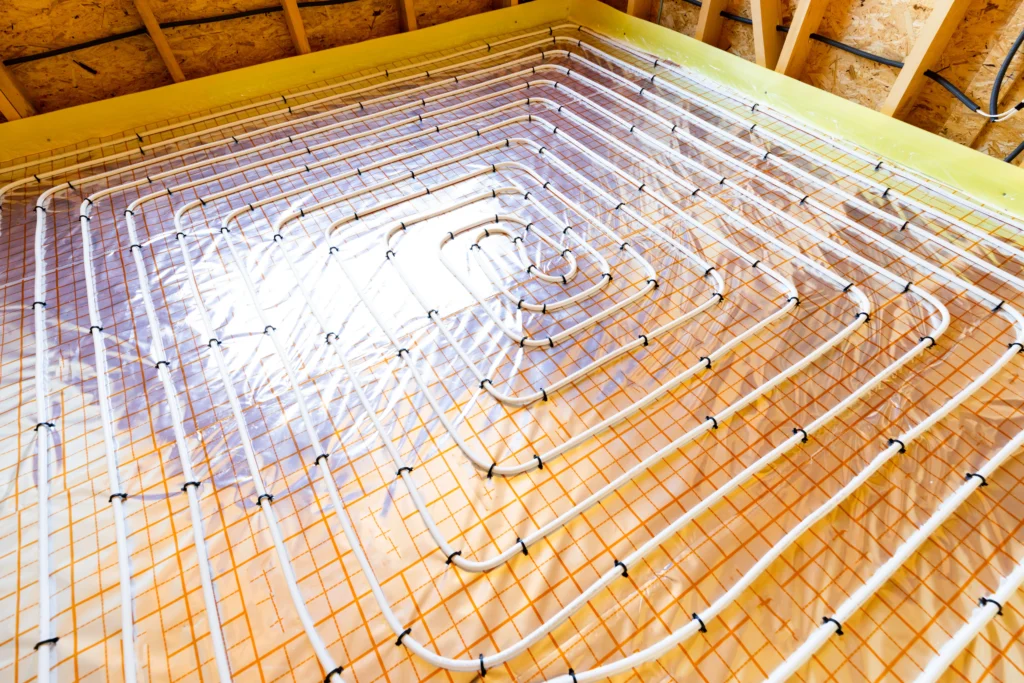
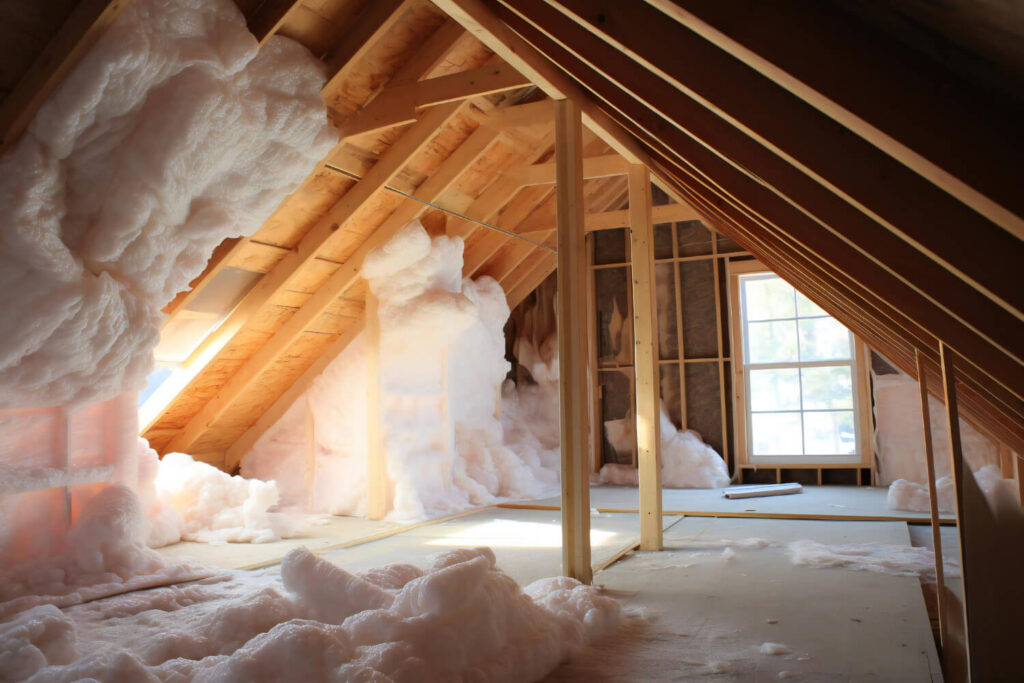
Radiant barriers can be a worthwhile investment in Houston's hot, sunny climate. They work by reflecting radiant heat from the sun, which is a primary driver of attic heat gain. When properly installed under the roof decking, a radiant barrier can significantly reduce the amount of heat transferred into your attic space. This helps lower the temperature in your attic, which in turn reduces the workload on your air conditioning system. Homeowners often see a noticeable decrease in cooling costs, especially during the peak summer months. For maximum effectiveness, radiant barriers should be part of a comprehensive attic strategy that includes adequate ventilation and proper levels of traditional insulation like blown-in cellulose or fiberglass to address conductive heat transfer.
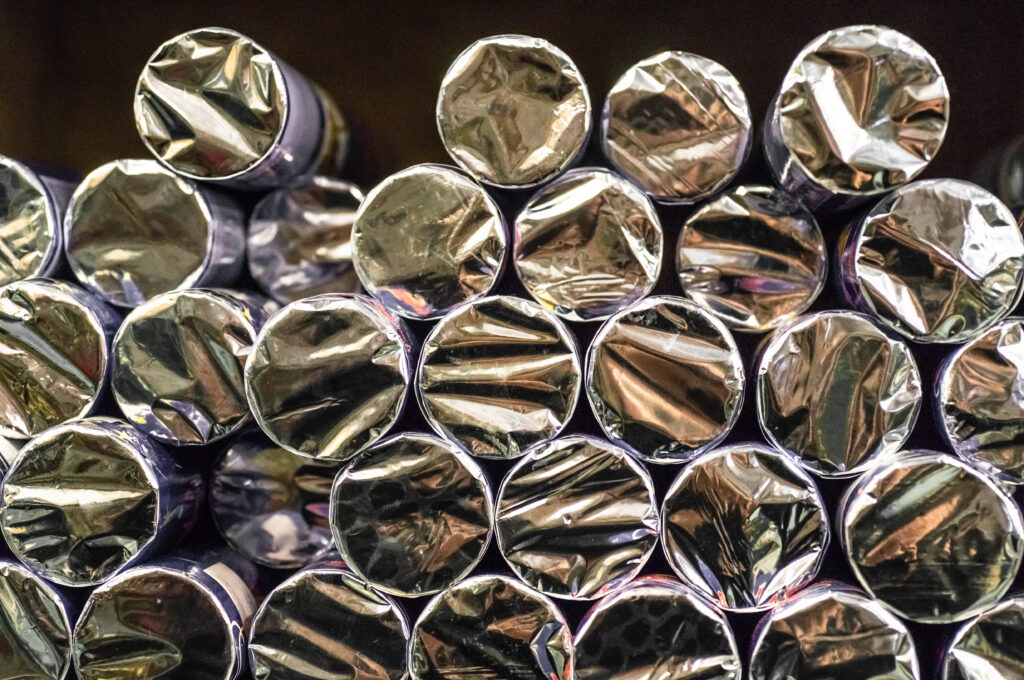
The cost of radiant barrier insulation varies significantly based on factors like material type, square footage, and whether it's a DIY project or professional installation. For a standard roll of foil-faced radiant barrier, homeowners might pay between $0.15 to $0.50 per square foot for the material alone. Professional installation for an average attic can range from $1,200 to $2,500 or more, as it involves proper placement over existing insulation and around obstructions. It's a strategic investment primarily for reducing cooling costs in hot climates. For a deeper understanding of how this technology works and its benefits, we recommend reading our internal article, Radiant Barrier. Always get multiple quotes from certified installers to ensure correct application for optimal performance.
Radiant barrier insulation can be worth it, particularly in hot, sunny climates like the southern United States. Its primary function is to reflect radiant heat from the sun, which can significantly reduce heat gain in your attic. This can lead to lower air conditioning costs and improved indoor comfort during summer months. However, its effectiveness depends on proper installation; it must face an open air space and be kept dust-free. It is less beneficial in colder climates where retaining heat is the primary goal. For most homes, it works best as a supplement to traditional bulk insulation like fiberglass or cellulose, rather than a standalone solution. Consulting with a professional to assess your specific home and climate is recommended to determine if the investment will provide a good return.
The best radiant barrier insulation depends on your specific climate, attic structure, and budget. For hot climates, a perforated, double-sided aluminum foil radiant barrier with a high reflectivity (typically 95% or more) is highly effective at reducing radiant heat gain. It should be installed facing an air gap, typically under the roof rafters, to properly reflect heat. In mixed climates, a radiant barrier with an integrated insulation layer, like a reflective bubble foil, can offer additional benefits. Always choose a product that is code-compliant, fire-resistant, and properly rated for your region. Professional installation is key, as improper placement or contact with other materials negates its reflective properties.
The cost of installing radiant barrier insulation in downtown Houston varies based on factors like attic size, existing insulation, and the specific reflective material used. On average, homeowners can expect to pay between $1,200 and $2,500 for a professional installation in a standard residential attic. This investment is often justified by the significant reduction in radiant heat gain, which can lower cooling costs by up to 10-15% in Houston's intense climate. Professional installation is crucial to ensure an uninterrupted, air-gapped layer is properly deployed. For a deeper look at the application and benefits of this technology in an urban setting, see our detailed resource Reflective Insulation in Downtown Houston. Always obtain multiple quotes from certified contractors who understand local building codes.
Arctic Insulation Solutions refers to specialized methods and materials designed to maintain energy efficiency and structural integrity in extremely cold climates. For homes and buildings in such regions, the primary goal is to create a continuous thermal barrier that minimizes heat loss. This often involves using high R-value materials like spray foam, rigid foam boards, or dense-packed cellulose in walls, attics, and basements. A critical, often overlooked aspect is ensuring proper ventilation and air sealing to prevent ice damming and moisture accumulation, which can lead to mold and rot. Professional assessment is key, as the correct insulation strategy must account for local building codes, humidity levels, and the specific architecture of the property to ensure long-term performance and safety.
20 reviews