Houston, TX Air Duct Cleaning Service & Insulation | Atticair
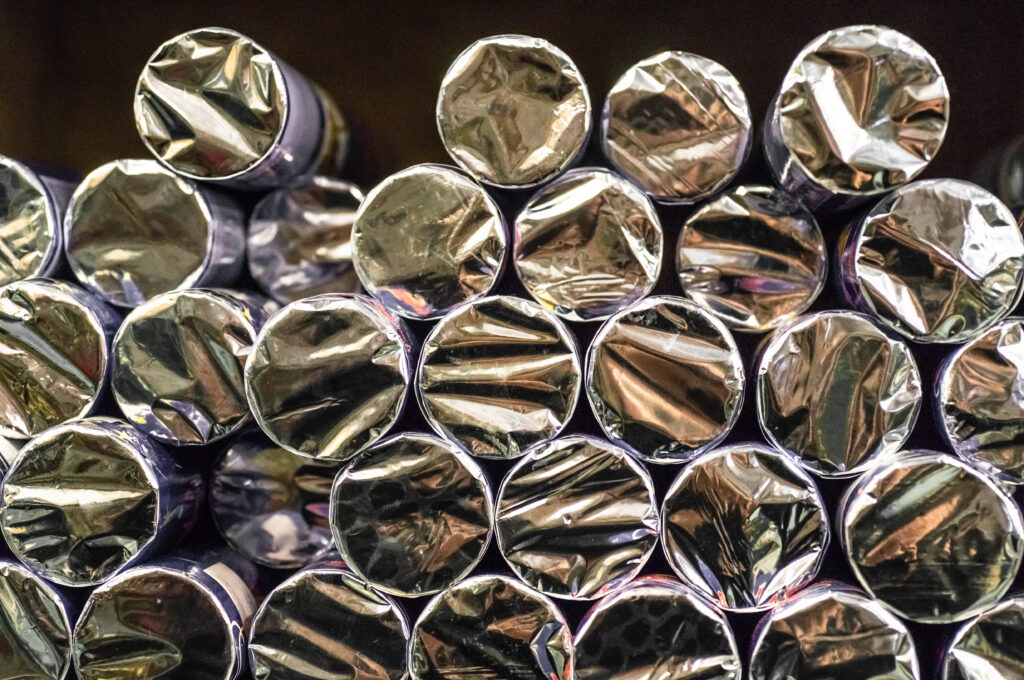
The cost to install a radiant barrier in an attic typically ranges from $1,200 to $2,800 for an average-sized home, with most homeowners paying around $1,800. This professional installation cost includes materials and labor. Key factors influencing the price are the home's square footage, attic accessibility, the type of radiant barrier material (foil-faced or spray-applied), and your geographic location. While a DIY approach using rolls of foil barrier is possible for a few hundred dollars, professional installation ensures proper placement over the attic floor or rafters, which is critical for performance and safety. For a deeper understanding of how radiant barriers work and their benefits, we recommend reading our internal article Radiant Barrier.
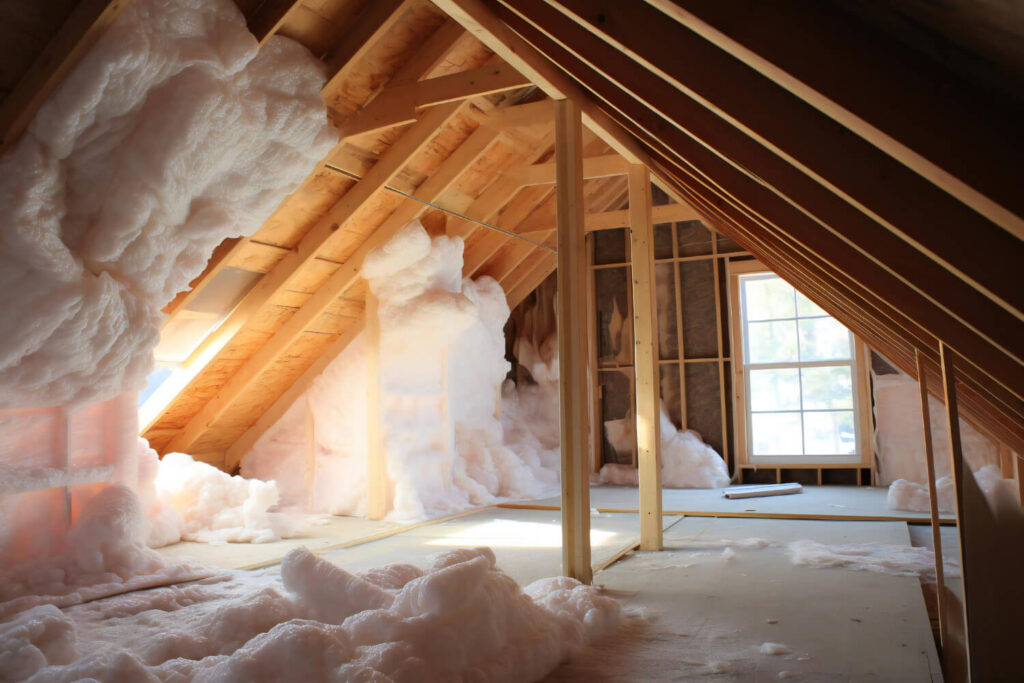
Radiant barriers can be a worthwhile investment for many Houston homes due to the region's intense, direct sunlight and long, hot summers. These barriers, typically installed in the attic, reflect radiant heat away from the living space, preventing it from being absorbed through the roof decking. This can significantly reduce attic temperatures, which in turn lessens the workload on your air conditioning system. The primary benefit is improved cooling efficiency and potential energy savings, especially during peak afternoon heat. However, its effectiveness is maximized when combined with proper attic ventilation and sufficient traditional insulation (like fiberglass or cellulose) to address conductive heat transfer. For a home with poor existing attic insulation or high cooling bills, adding a radiant barrier can be a cost-effective upgrade. It is generally considered a supplemental measure rather than a complete insulation solution.
Installing a radiant barrier is a project many homeowners can tackle themselves, provided they have the right safety equipment and a clear understanding of their attic's layout. The key is to install the reflective material correctly, typically with the shiny side facing down into an open air space, to effectively block radiant heat. It is crucial to avoid covering attic vents or laying the barrier directly on top of existing insulation, as this can trap moisture and reduce effectiveness. For a detailed guide on proper installation techniques and material selection, we recommend reading our internal article, Reflective Insulation. Always prioritize safety by wearing protective gear and working during cooler parts of the day.
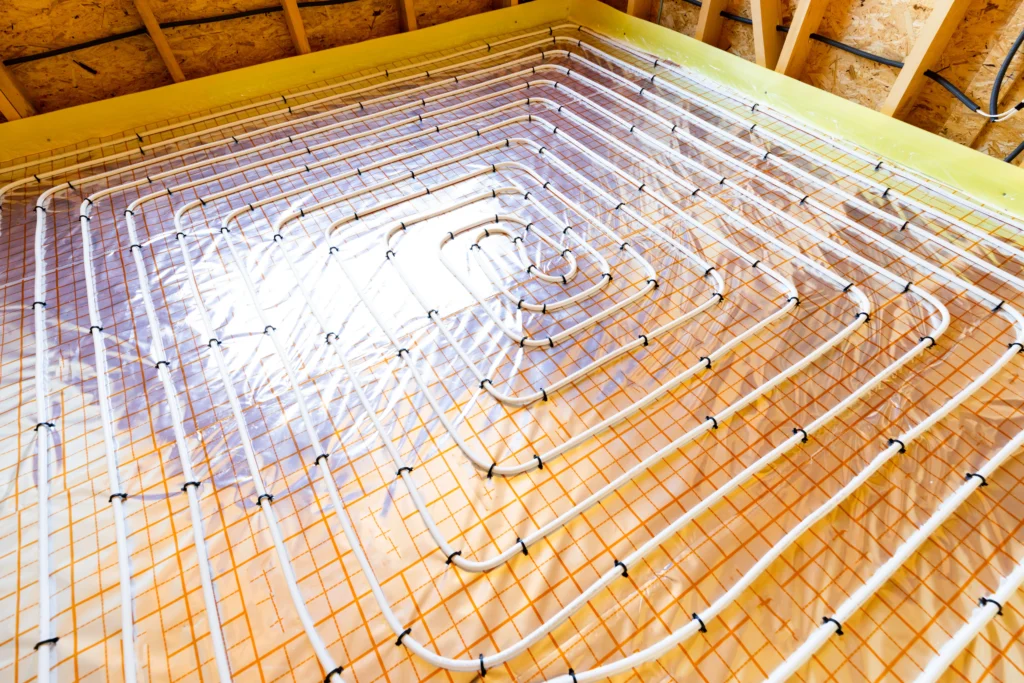
Radiant barriers are most effective when installed with the reflective side facing an air gap, and the optimal placement depends on your climate and attic design. In hot climates, the barrier should be installed above the insulation, typically under the roof rafters, to reflect solar heat away from the living space before it penetrates the insulation. In cold climates, it is generally placed below the insulation, on the attic floor, to help retain interior heat. The key is ensuring the reflective surface faces an open air space and is not compressed or covered by insulation, as this negates its reflective properties. Always consult local building codes and a professional installer for the best application in your specific home.
Radiant barrier installation in Port Houston, Texas, is a highly effective strategy for improving home energy efficiency in the region's hot and humid climate. This reflective insulation is typically installed in the attic, stapled to the underside of the roof rafters. Its primary function is to reflect radiant heat from the sun, preventing it from being absorbed into the attic space and subsequently lowering cooling costs. For optimal performance, it is crucial that the barrier has an air gap facing the roof deck. Professional installation ensures proper placement and sealing to maximize reflectivity and prevent moisture issues. This upgrade complements traditional attic insulation and duct sealing, creating a comprehensive thermal envelope for greater comfort and energy savings year-round.
20 reviews