Houston, TX Air Duct Cleaning Service & Insulation | Atticair
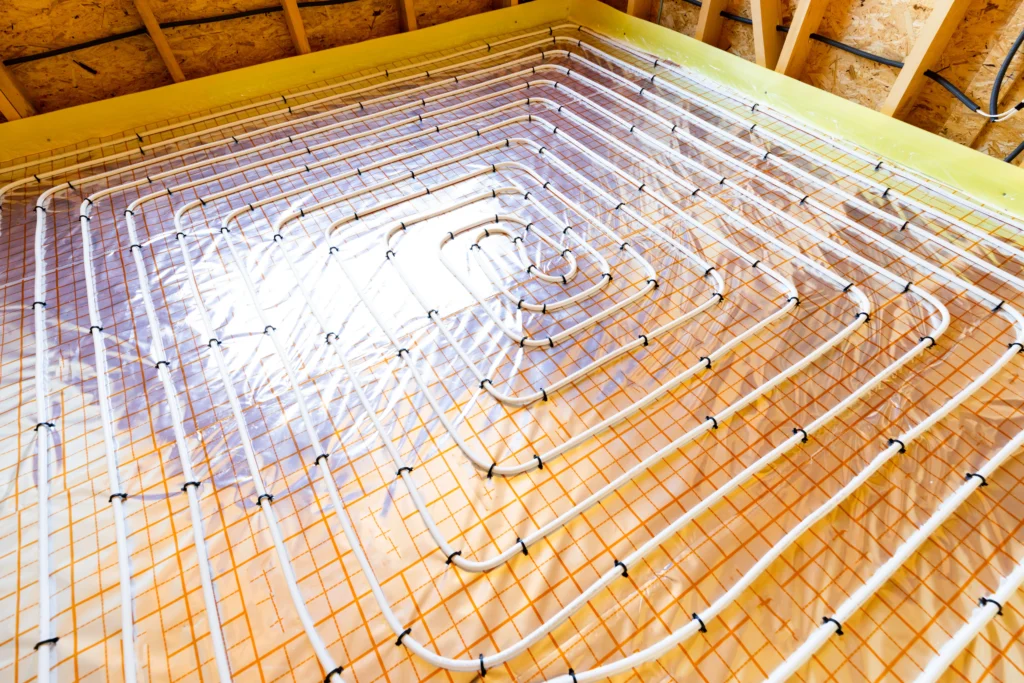
The cost to install a radiant barrier varies significantly based on several factors, but a typical range for a professionally installed attic radiant barrier is between $1,200 and $2,500 for an average-sized home. Key cost determinants include the size and complexity of your attic, the type of material used (foil-faced or spray-applied), your geographic location, and labor rates. Professional installation is highly recommended to ensure proper placement over the insulation without compressing it, which is crucial for optimal performance in reflecting radiant heat. While a DIY approach using rolls of foil material is less expensive, improper installation can severely reduce effectiveness and potentially create moisture issues. For an accurate estimate, it is best to obtain a detailed assessment from a qualified insulation contractor.
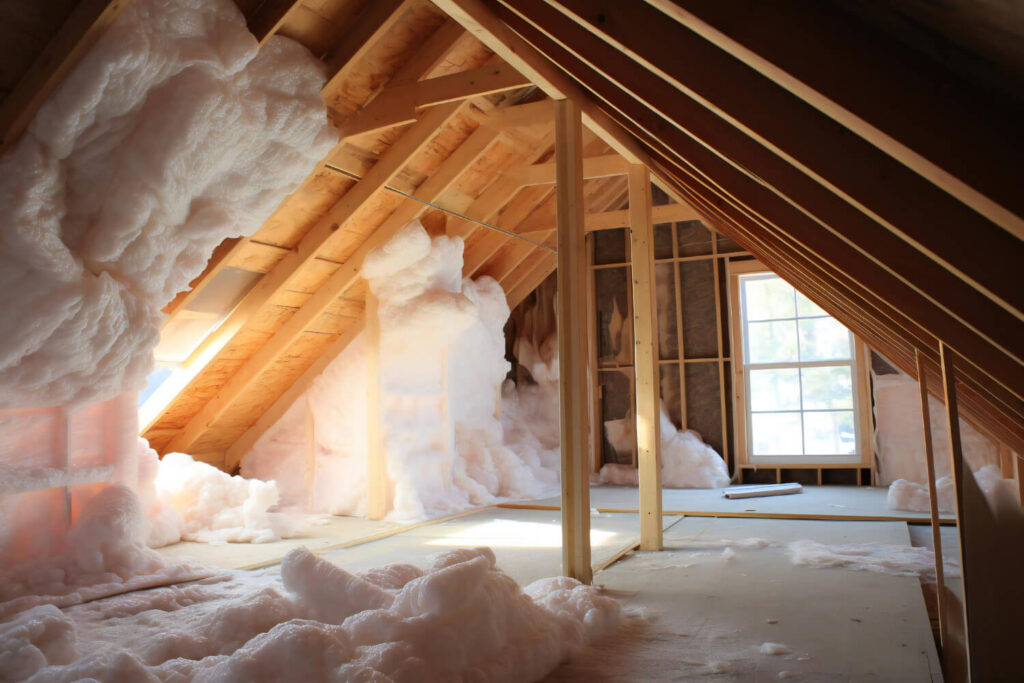
A highly effective alternative to radiant barriers is spray foam insulation, which provides both thermal resistance and air sealing. Unlike radiant barriers that primarily reflect radiant heat, spray foam creates a continuous, airtight barrier that reduces convective and conductive heat transfer. This dual action makes it superior in many climates, especially where air infiltration is a concern. Another option is rigid foam board insulation, which offers high R-value per inch and can be used in walls, roofs, and foundations. For attics specifically, increasing the depth of traditional blown-in cellulose or fiberglass insulation is a common, cost-effective method to achieve higher thermal performance. Each alternative should be chosen based on the home's specific design, local climate, and energy efficiency goals, often requiring a professional assessment for optimal results.
Radiant barrier installation may qualify for tax credits, but it depends on specific government programs and eligibility criteria, which often change. In the United States, federal tax credits for home energy efficiency, such as those under the Inflation Reduction Act, have historically applied to certain insulation improvements. However, radiant barriers are sometimes categorized separately from traditional bulk insulation. To determine current eligibility, homeowners should consult the latest IRS guidelines or a qualified tax professional, as credits typically require specific performance standards and must be installed in a primary residence. Always keep detailed receipts and manufacturer certification statements for any energy-efficient upgrade to support a tax credit claim.
The lifespan of a professionally installed radiant barrier is typically very long. When installed in a clean, dry attic space and protected from dust accumulation and physical damage, a high-quality foil radiant barrier can remain effective for decades. Its performance does not degrade over time like some insulation materials; instead, its effectiveness is primarily reduced if the reflective surface becomes covered with dust or insulation. For optimal longevity, it is crucial that the barrier is installed with an air gap facing the open attic space. For a detailed breakdown of how radiant barriers work and installation best practices to ensure maximum lifespan, please refer to our internal article Radiant Barrier.
20 reviews