Houston, TX Air Duct Cleaning Service & Insulation | Atticair
The cost of a professionally installed radiant barrier typically ranges from $1,200 to $3,500 for an average-sized home, though this can vary based on attic size, complexity, and regional labor rates. This investment primarily covers high-quality reflective foil material and expert installation to ensure proper air gaps and coverage over insulation. It is a long-term solution aimed at reducing heat transfer and lowering cooling costs. For a detailed breakdown of how radiant barriers work and their benefits, we recommend reading our internal article, Radiant Barrier. Always obtain multiple quotes from certified contractors to ensure a fair price for quality workmanship.
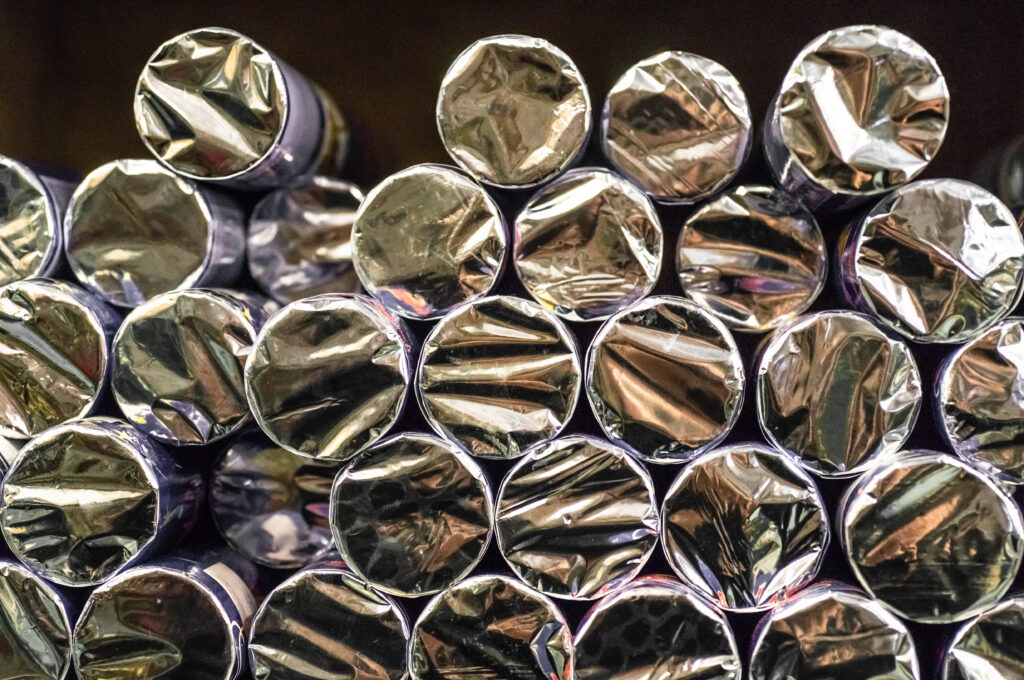
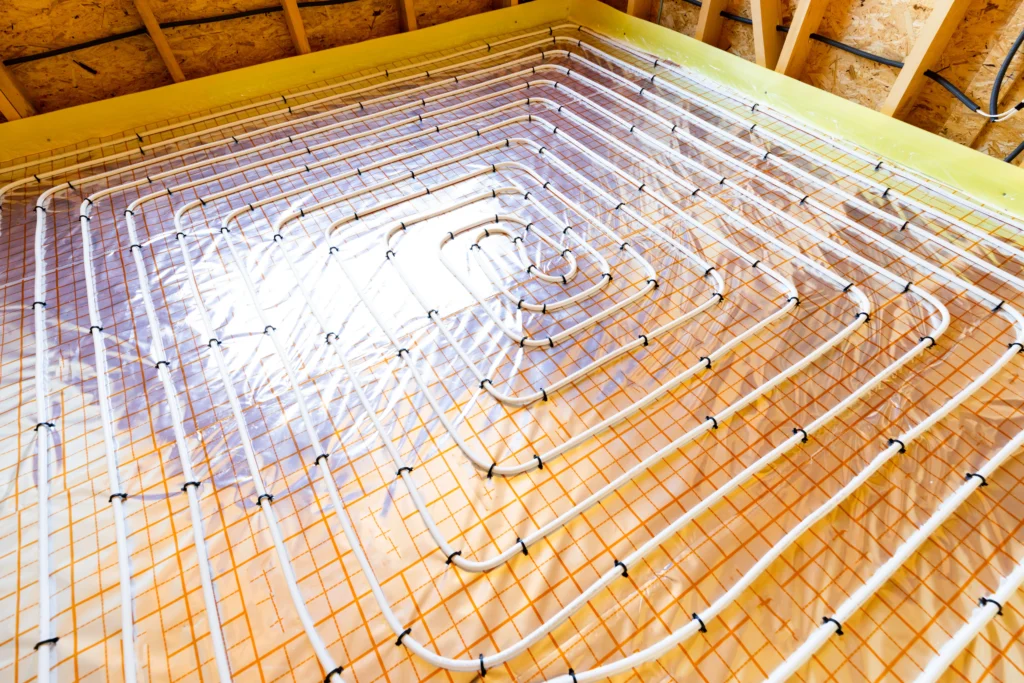
Radiant barriers can be a worthwhile investment for many Houston homes, primarily due to the region's intense, prolonged sun and heat. These barriers, typically reflective foil installed in the attic, work by reflecting radiant heat away from the living space, rather than absorbing it like traditional insulation. In Houston's climate, this can significantly reduce the heat gain through the roof, which is a major contributor to cooling loads. This often leads to lower air conditioning costs and improved indoor comfort. However, its effectiveness depends on proper installation over the existing insulation and ensuring the attic has adequate ventilation. For a comprehensive solution, it is often recommended as part of a broader attic system that includes air sealing and sufficient traditional insulation to address conductive heat transfer as well.
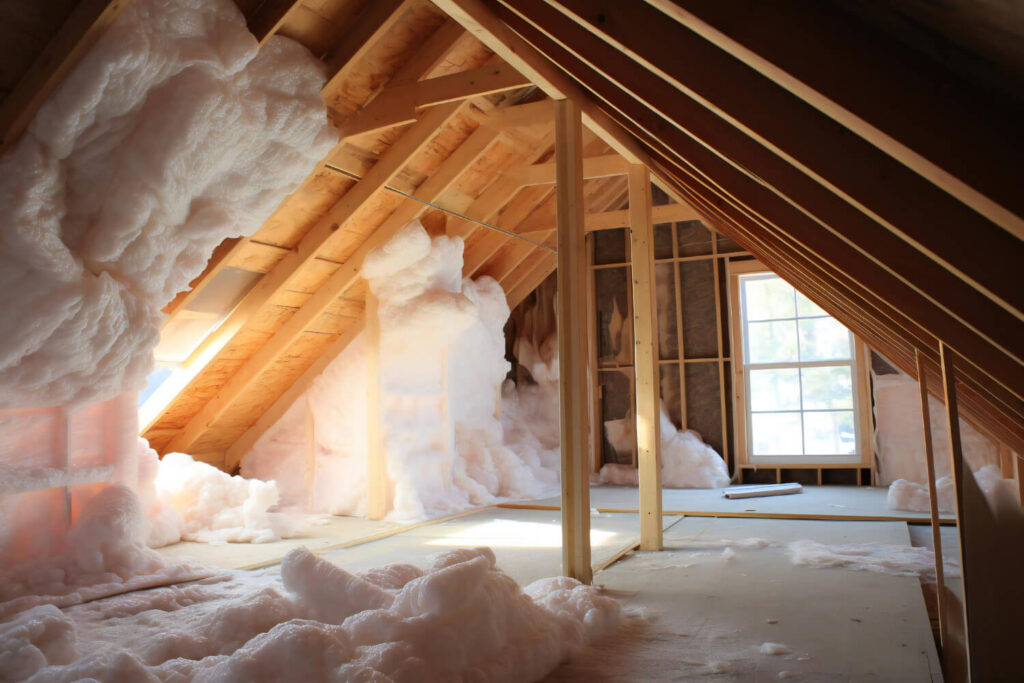
A highly effective alternative to radiant barriers is spray foam insulation, particularly closed-cell foam. This material provides both thermal resistance and an air sealing barrier, addressing heat transfer through conduction and convection as well as radiation. Unlike radiant barriers, which primarily reflect radiant heat in attics, spray foam insulates the roof deck itself, creating a conditioned attic space that can improve overall HVAC efficiency. Other strong alternatives include high-performance bulk insulation like blown cellulose or fiberglass with a higher R-value per inch, and rigid foam board insulation. The best choice depends on your specific climate, home design, and whether you are targeting new construction or a retrofit project. A professional energy assessment is recommended to determine the most cost-effective solution for reducing heat gain and loss.
Yes, a motivated homeowner can install a radiant barrier themselves, but it requires careful planning and safety precautions. The key is to install it correctly to avoid creating a moisture trap or compromising attic ventilation. The barrier must face an air gap; simply laying it directly on top of existing insulation is ineffective and can cause problems. You must wear proper protective gear, work in a cool attic, and ensure you do not block soffit vents. For a deeper understanding of how radiant barriers work and their proper application, we recommend reading our detailed internal article, Reflective Insulation. For complex attic layouts or if you are unsure, hiring a professional is often the safest and most effective choice.
Radiant barriers are an effective solution for improving home energy efficiency in Baytown, Texas, given the region's hot and humid climate. These barriers, typically reflective aluminum sheets installed in attics, work by reflecting radiant heat from the sun away from the living space, rather than absorbing it like traditional insulation. This can significantly reduce attic temperatures and lower cooling costs. For optimal performance in Baytown, professional installation is key to ensuring an uninterrupted, shiny surface facing the air space. It is often recommended as a complement to traditional bulk insulation like fiberglass. Proper installation also requires attention to local building codes and ensuring adequate attic ventilation to manage moisture, which is crucial in the Gulf Coast humidity.
The cost of installing a radiant barrier in Baytown typically ranges from $1,200 to $3,000 for an average-sized attic, depending on several key factors. The primary cost drivers include the size and accessibility of your attic, the type of radiant barrier material chosen (such as foil-faced sheathing or reflective foil rolls), and whether the project is a new construction installation or a retrofit to an existing home. Professional installation is highly recommended to ensure proper placement with an air gap, which is critical for the barrier to effectively reflect radiant heat. Investing in a radiant barrier can significantly reduce attic heat gain, lowering cooling costs by up to 10% in our hot Gulf Coast climate, making it a valuable upgrade for energy-conscious homeowners.
20 reviews