Houston, TX Air Duct Cleaning Service & Insulation | Atticair
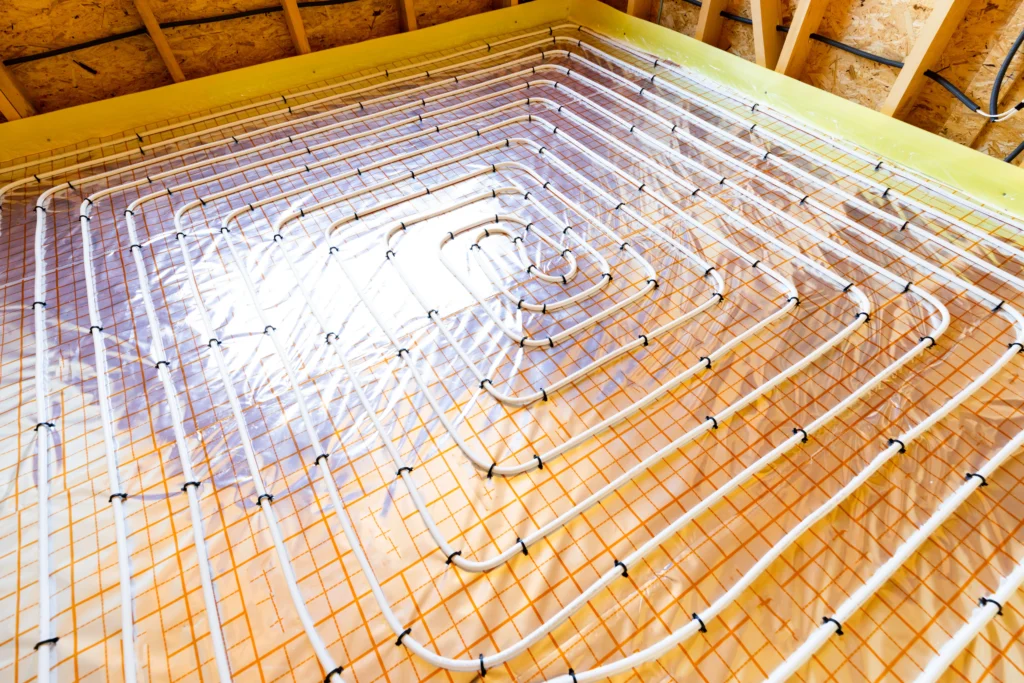
The cost to install a radiant barrier typically ranges from $1,200 to $3,500 for an average-sized attic, with a national average around $2,000. This price is influenced by several key factors. The size and accessibility of your attic are primary cost drivers, as complex layouts require more labor. The type of material—such as foil-faced sheathing, reflective paint, or layered foil insulation—also affects the price. Professional installation, while more expensive upfront than DIY, ensures proper placement (usually facing an air gap) for maximum effectiveness, which is critical for the barrier to reflect radiant heat properly. Always obtain multiple estimates from certified professionals who can assess your specific home and climate needs.
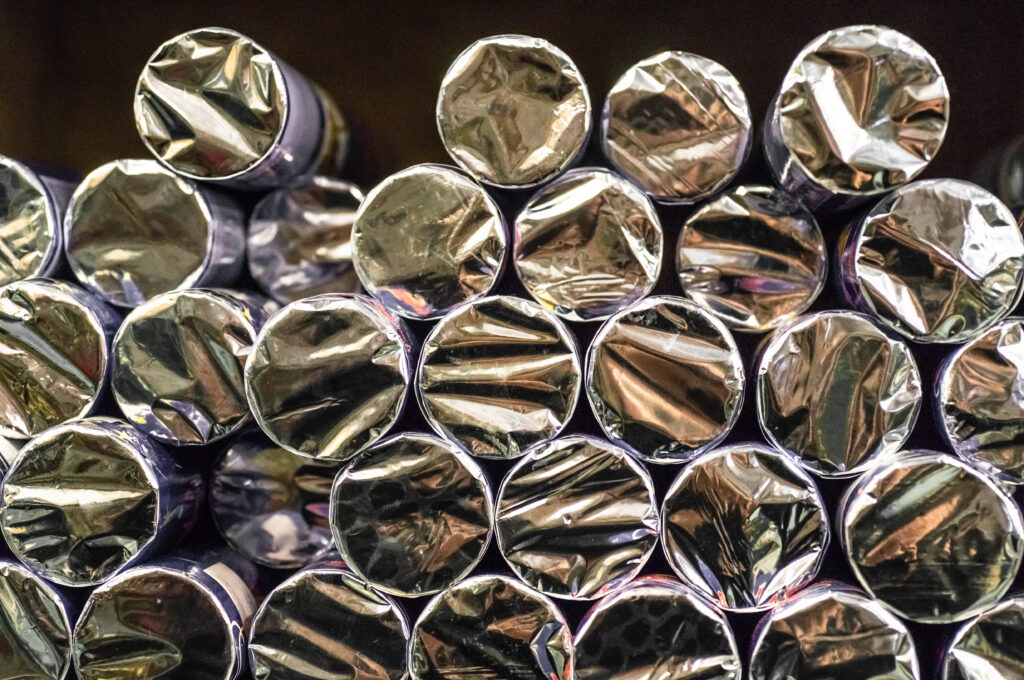
This is a complex question as spray foam insulation and radiant barriers serve different primary functions. Spray foam is an air barrier and insulating material that reduces conductive heat transfer, while a radiant barrier is designed to reflect radiant heat, most effective in hot climates and attics. For optimal home performance, they are often used together. A high-quality spray foam can seal air leaks and provide high R-value, but adding a radiant barrier can significantly reduce summer heat gain through the roof. For a detailed breakdown of how radiant barriers work and their applications, see our internal article Radiant Barrier. The best solution depends on your climate, home design, and specific energy goals, and a professional assessment is recommended.
Radiant barriers are primarily designed to reflect radiant heat, which is most effective in hot climates where they prevent heat gain from the sun. In cold climates, their utility is more limited. They can still help by reflecting interior radiant heat back into the living space during winter, potentially improving the efficiency of your insulation. However, the primary heat loss in cold climates is typically through conduction and convection, not radiation, so proper insulation with high R-value materials like fiberglass or spray foam is far more critical. For optimal performance in cold regions, prioritize comprehensive air sealing and adequate insulation in attics and walls, as radiant barriers alone are not a sufficient solution for significant energy savings.
A professionally installed radiant barrier is designed to last for the lifetime of the structure, typically 20 to 30 years or more, as long as it remains intact and undisturbed. The lifespan depends heavily on the installation quality and the environment. In a sealed attic space, away from dust, moisture, and physical damage, the reflective foil material will not degrade. Its performance does not diminish over time like traditional insulation that can settle. For optimal and lasting energy efficiency, it is crucial to have the barrier installed correctly by certified technicians. For a deeper dive into how radiant barriers work and their benefits, please refer to our internal article Radiant Barrier.
The cost of installing a radiant barrier in Atascocita, Texas, typically ranges from $1,200 to $3,000 for a standard attic, depending on the home's square footage, attic complexity, and material quality. This investment reflects professional installation, which is crucial for ensuring the foil barrier is properly applied to the underside of the roof rafters without gaps or compression. A correctly installed radiant barrier can significantly reduce attic heat gain, lowering cooling costs by up to 10% in our hot Gulf Coast climate. Homeowners should obtain multiple detailed estimates from licensed and insured local contractors, ensuring the quote includes a thorough attic assessment, high-quality perforated foil, and a clear warranty. This upgrade complements existing insulation for optimal energy efficiency.
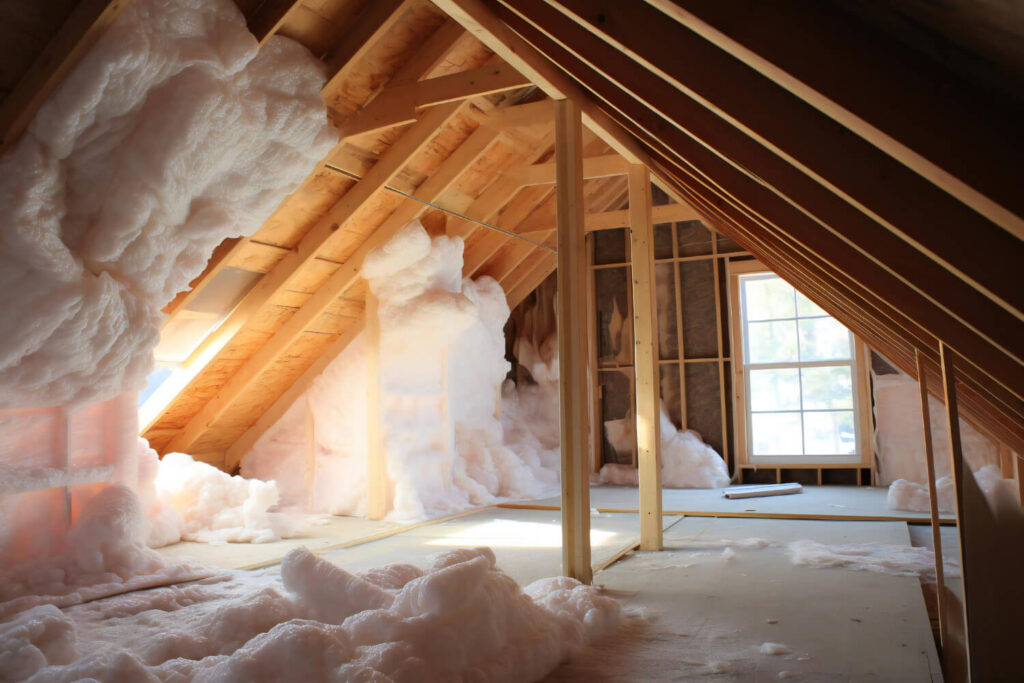
Proper insulation is crucial for home comfort and energy efficiency. Affordable options often start with materials like fiberglass batts or blown-in cellulose, which provide good thermal resistance at a lower upfront cost. The key to affordability is ensuring the insulation is correctly installed to prevent gaps and compression, which severely reduce its effectiveness. For existing homes, adding attic insulation is frequently the most cost-effective upgrade, as heat rises and significant energy is lost there. It's advisable to consult with a professional to assess your home's specific needs, as factors like climate, existing insulation, and air sealing requirements will determine the most economical and efficient solution for long-term savings.
20 reviews