Houston, TX Air Duct Cleaning Service & Insulation | Atticair
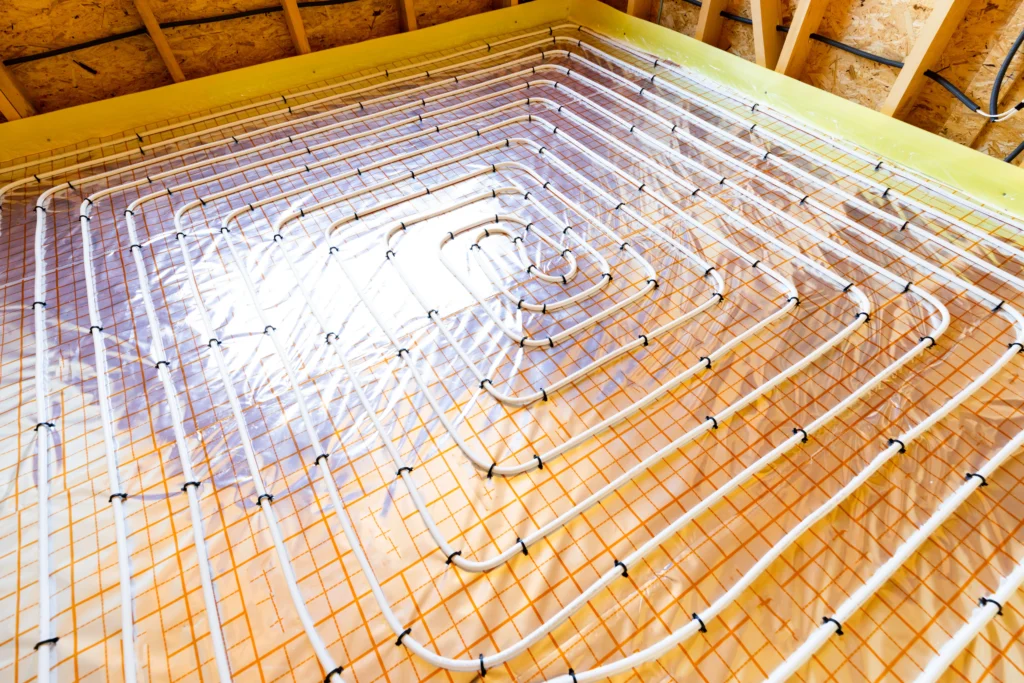
The cost of a professionally installed radiant barrier varies significantly based on factors like home size, attic complexity, and regional labor rates. On average, homeowners can expect to pay between $1,200 to $2,500 for a full attic installation in a standard single-family home. This investment is for a high-quality, foil-based material that is properly installed with an air gap, which is crucial for its effectiveness. It's a premium upgrade that can significantly reduce radiant heat transfer, lowering cooling costs. For a detailed breakdown of how radiant barriers work and their benefits, we recommend reading our internal article, Radiant Barrier. Always obtain multiple quotes from certified contractors to ensure a fair price for quality materials and installation.
Radiant barriers can be a worthwhile investment, particularly in hot, sunny climates like the southern United States. They work by reflecting radiant heat from the sun, which can significantly reduce heat gain in your attic. This can lower your cooling costs by making your air conditioning system work less hard. However, their effectiveness depends heavily on proper installation and your home's specific conditions. In cooler climates, the cost-benefit may be less clear. For optimal results, a radiant barrier should be part of a comprehensive attic strategy that includes sufficient insulation and proper ventilation. Consulting with a professional to assess your home's needs is always recommended.
Spray on radiant barrier coatings can be effective when applied correctly to a suitable surface. These products, typically containing reflective pigments like aluminum, work by reducing radiant heat transfer. When sprayed onto the underside of a roof deck, they can reflect a portion of the solar radiation away from the attic, potentially lowering attic temperatures. Their effectiveness depends heavily on proper application to create a continuous, unblemished reflective layer and on the existing attic ventilation. For optimal thermal performance, they are often part of a comprehensive approach that includes adequate insulation and air sealing. While they can contribute to energy savings, their real-world performance may not always match laboratory results, and traditional foil-type radiant barriers are often considered more consistently effective.
Radiant barriers are designed to be a long-lasting component of a home's thermal envelope. When properly installed in a suitable, protected environment like an attic, a high-quality foil radiant barrier can remain effective for decades. The material itself, typically aluminum foil laminated to a substrate, does not degrade or lose its reflective properties over time if it remains clean, dust-free, and undamaged. Its longevity is contingent on correct installation to avoid condensation issues and protection from physical punctures or tears. For optimal and sustained performance, it should be part of a comprehensive attic strategy that includes adequate ventilation and air sealing. For a deeper dive into how radiant barriers work and their benefits, please see our internal article Radiant Barrier.
20 reviews