Houston, TX Air Duct Cleaning Service & Insulation | Atticair
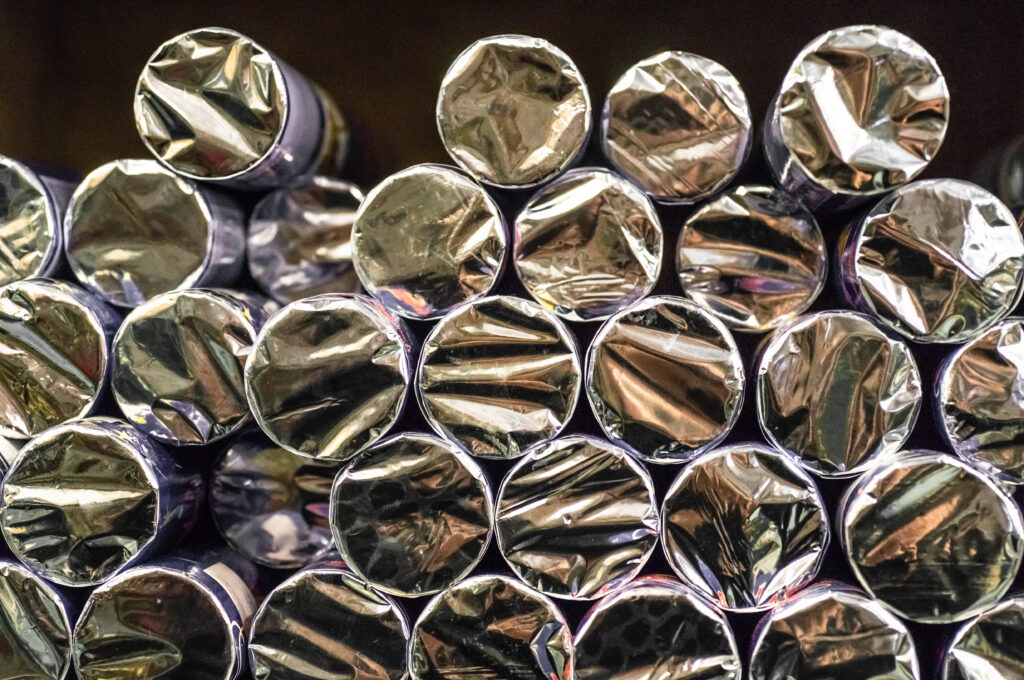
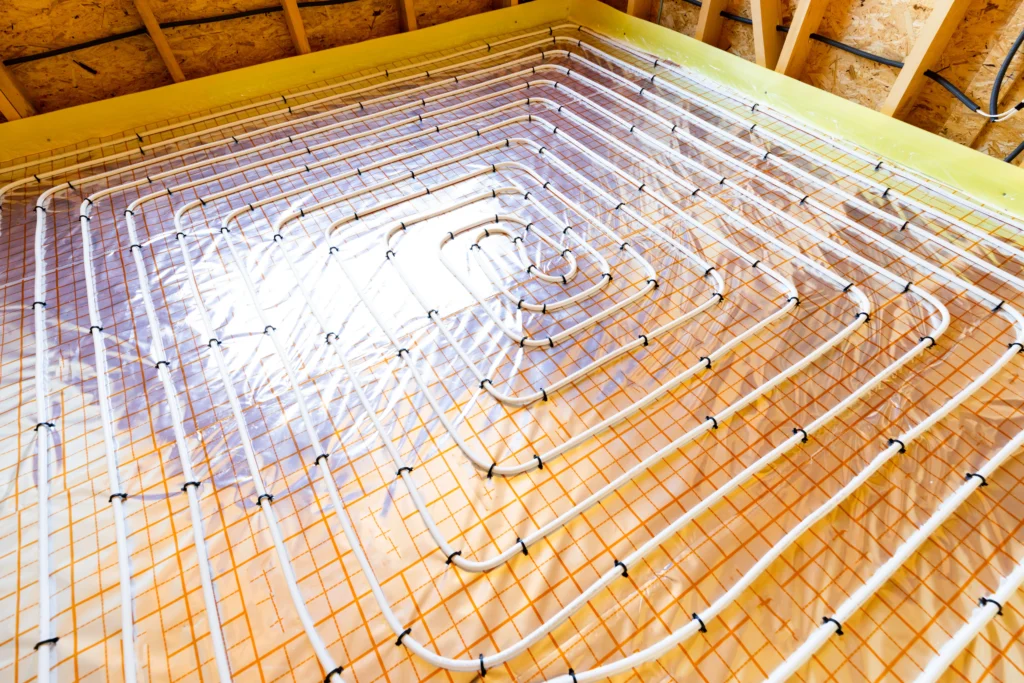
The cost to install a radiant barrier varies significantly based on several factors. On average, professional installation for a standard attic ranges from $1,200 to $2,500, with a typical cost per square foot between $0.50 and $1.50. The final price depends heavily on your attic's size, accessibility, and the specific material chosen (foil, spray-on, etc.). Additional costs may arise if existing insulation needs adjustment or if ventilation improvements are required. For an accurate estimate, it is crucial to obtain quotes from qualified local contractors who can assess your specific home. A properly installed radiant barrier can be a cost-effective upgrade, improving energy efficiency and comfort by reflecting radiant heat away from your living spaces.
Radiant barriers can be a worthwhile investment, particularly in hot, sunny climates like the southern United States. They work by reflecting radiant heat away from your attic, which can significantly reduce the heat gain entering your living space. This can lower your air conditioning costs and improve overall comfort. However, their effectiveness depends heavily on proper installation and your home's specific conditions. In colder climates, the benefits are less pronounced. For most homeowners, ensuring you have sufficient traditional insulation (like fiberglass or cellulose) is the first priority. A radiant barrier is often considered a supplemental upgrade. Consulting with a professional attic services company is the best way to determine if it will provide a good return on investment for your home.
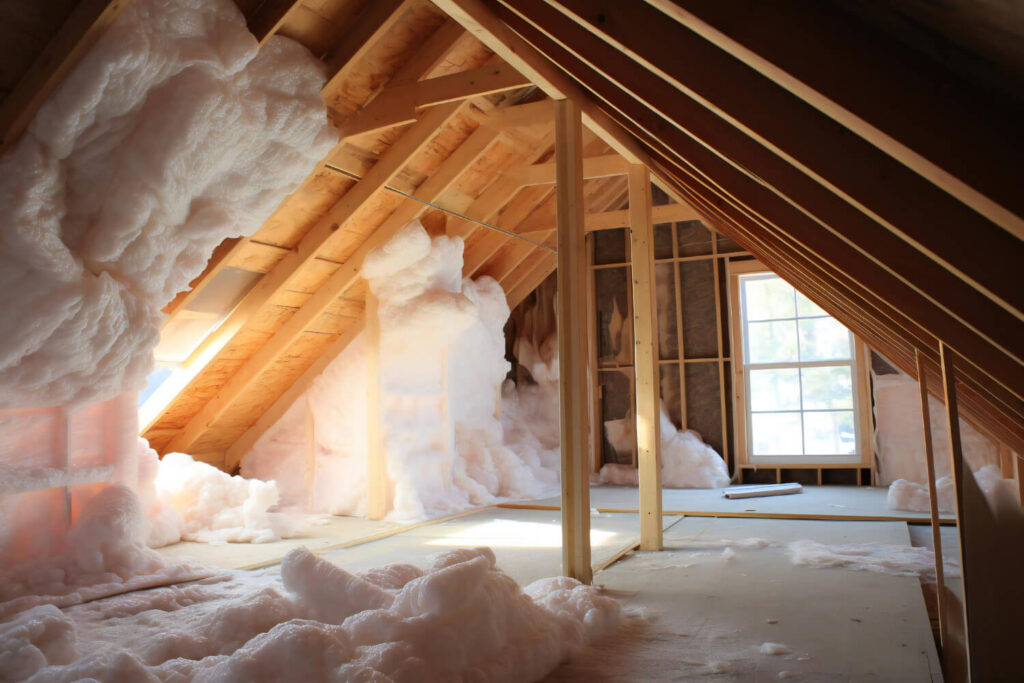
The cost to insulate a 2000 sq ft home varies widely based on the insulation type, material, and labor. For a professional installation of common materials like fiberglass batts, you might expect a range of $1,500 to $3,000. For higher-performance materials such as spray foam, costs can range from $3,500 to $7,500 or more. The final price is heavily influenced by the R-value (thermal resistance) required for your climate zone, the specific areas being insulated (attic, walls, crawlspace), and the accessibility of the spaces. It is crucial to obtain multiple detailed quotes from certified professionals who assess your home's specific needs, as proper installation is as important as the material itself for achieving energy efficiency and comfort.
Spray on radiant barrier coatings can be effective when applied correctly to a suitable substrate. These products, often containing reflective pigments like aluminum, are designed to reduce radiant heat transfer. Their performance depends heavily on proper surface preparation, application thickness, and the existing attic conditions. For optimal results in an attic, the coating should be applied to the underside of the roof decking, creating a barrier that reflects radiant heat away from the living space. It is not a substitute for adequate bulk insulation but can complement it. Industry standards emphasize that its true effectiveness is measured by its emissivity rating; a lower emissivity means better performance. For a comprehensive thermal solution, combining a radiant barrier with proper attic ventilation and sufficient insulation is considered best practice.
20 reviews