Houston, TX Air Duct Cleaning Service & Insulation | Atticair
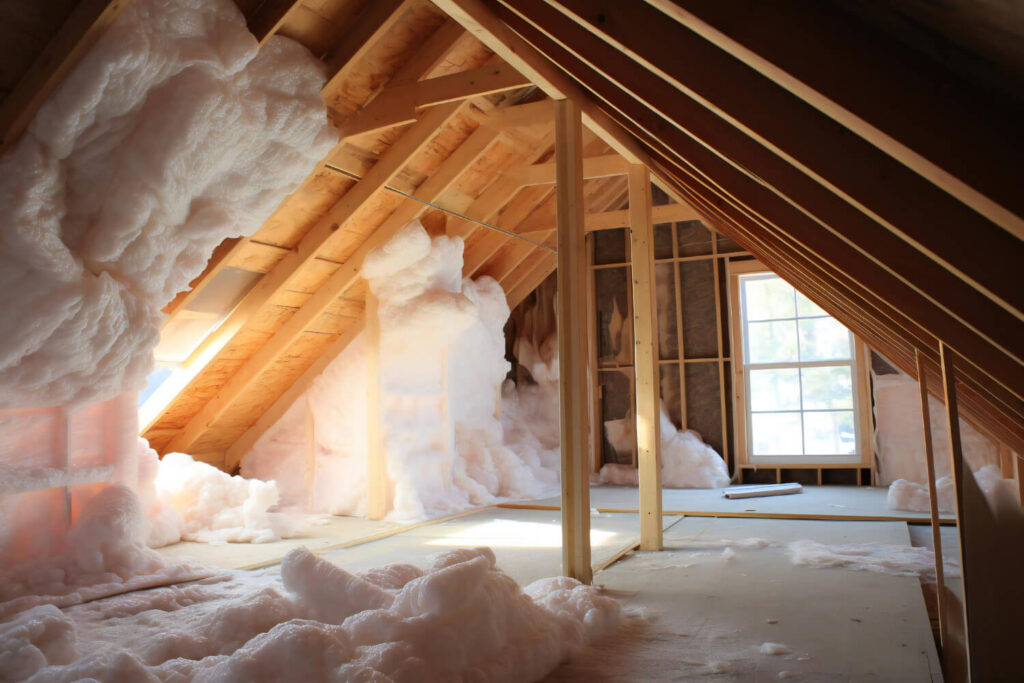
Radiant barrier insulation can be a worthwhile investment, particularly in hot, sunny climates like the southern United States. Its primary function is to reflect radiant heat from the sun, preventing it from entering your attic and living spaces. This can significantly reduce cooling costs during peak summer months. However, its effectiveness depends heavily on proper installation; it must face an open air space and be kept dust-free. It is not a replacement for traditional bulk insulation like fiberglass or cellulose, which resist conductive heat flow. For optimal energy efficiency, a radiant barrier is best used as a complementary layer alongside sufficient conventional attic insulation, creating a more comprehensive thermal envelope for your home.
The cost to install a radiant barrier in an attic typically ranges from $1,200 to $2,500 for an average-sized home, though this can vary significantly based on factors like your home's square footage, roof complexity, and local labor rates. Professional installation is recommended to ensure proper placement over existing insulation, with an air gap maintained for maximum effectiveness. This investment can improve HVAC efficiency and comfort. For a deeper understanding of how radiant barriers work and their benefits, we recommend reading our detailed internal article, Radiant Barrier. Always obtain multiple quotes from qualified, insured contractors to ensure a fair price and proper installation.
Radiant barriers are primarily designed to reflect radiant heat, which is most effective in hot climates where they keep heat from entering the attic. In cold climates, their effectiveness is more limited. The primary heat flow in winter is conductive, through insulation, not radiant. While a radiant barrier can help by reflecting some interior heat back into living spaces, it is not a substitute for adequate attic insulation. For optimal performance in cold regions, the priority should be on achieving high R-value insulation through materials like fiberglass or cellulose. A radiant barrier may provide a minor supplemental benefit, but it is generally not a cost-effective primary solution for heating efficiency.
Radiant barriers are designed to be a long-term solution for improving home energy efficiency. When properly installed in a suitable, protected attic space (such as facing an air gap), the foil material itself can last for decades without significant degradation. The lifespan is primarily contingent on the installation quality and environmental conditions; it must remain clean, dust-free, and undamaged to maintain its high reflectivity. Unlike traditional insulation that can settle or absorb moisture, a radiant barrier's performance does not diminish over time if its surface remains intact. For a deeper understanding of how they work and their benefits, we recommend reading our internal article, Radiant Barrier. Professional installation is key to ensuring maximum longevity and effectiveness.
20 reviews