Houston, TX Air Duct Cleaning Service & Insulation | Atticair
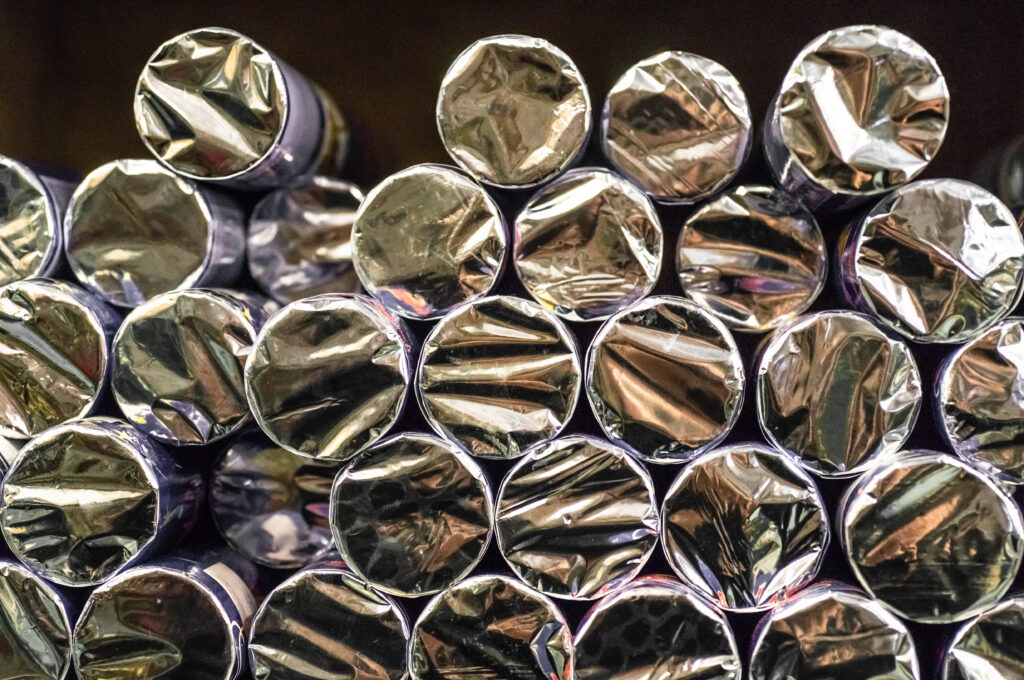
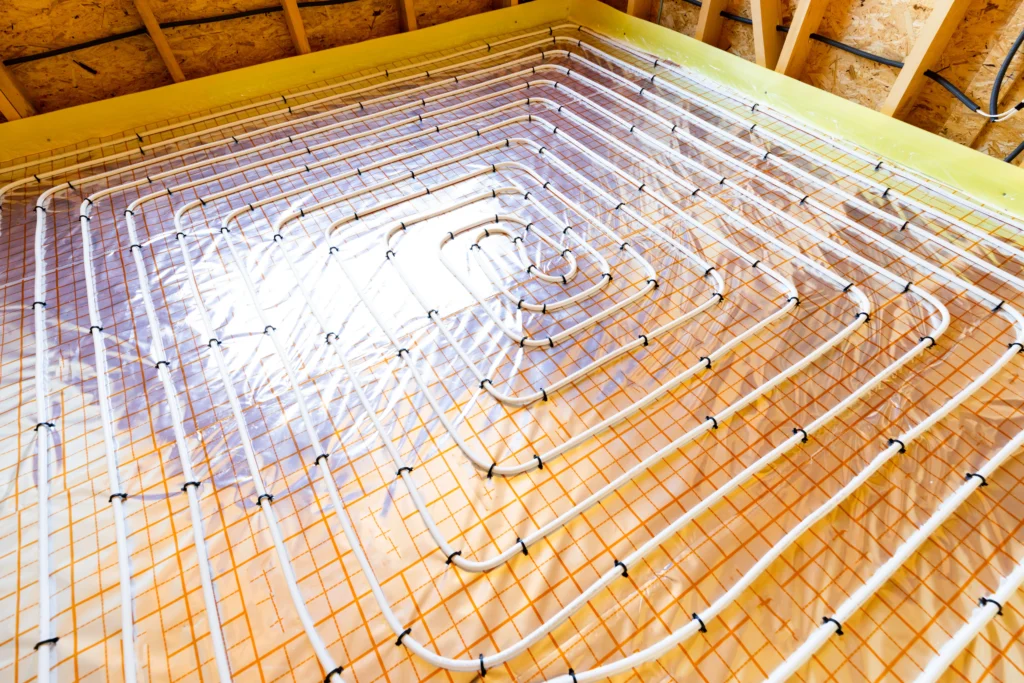
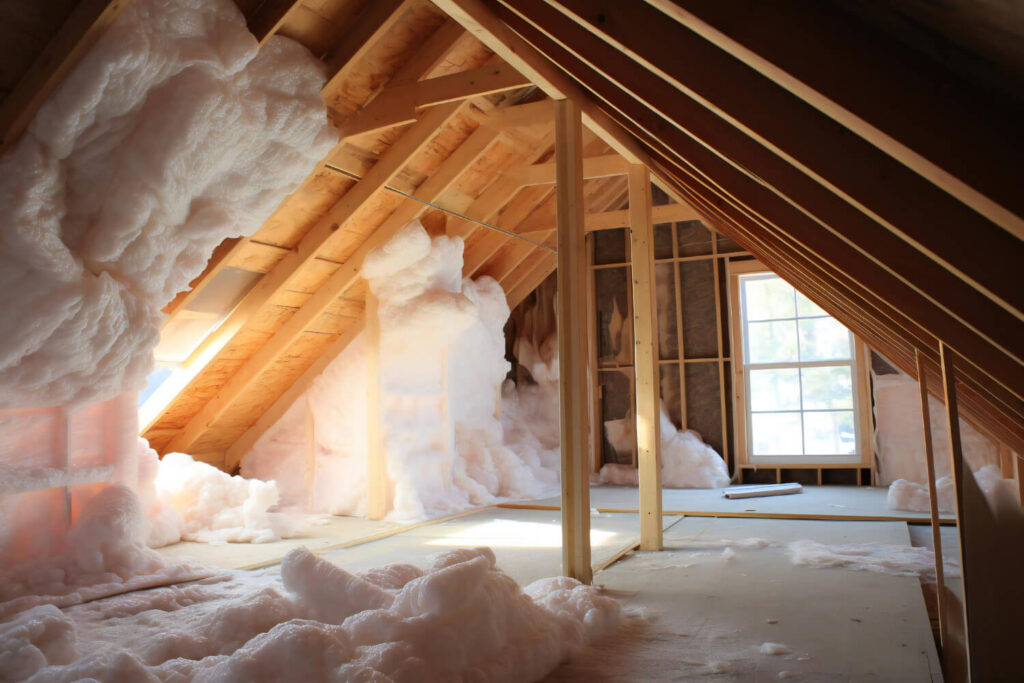
The cost to install a radiant barrier typically ranges from $1,200 to $3,500 for an average-sized attic, with a national average around $2,000. This price is influenced by several key factors. The primary one is the size and accessibility of your attic, as larger or more complex spaces require more material and labor. The type of radiant barrier material chosen—such as foil-faced sheathing, reflective paint, or single or double-sided foil rolls—also affects the price. Professional installation, while recommended for optimal performance and safety, adds to the cost but ensures the barrier is correctly placed with an air gap, which is critical for its effectiveness. For a precise quote, it is best to obtain an in-person assessment from a qualified insulation contractor who can evaluate your specific attic conditions and recommend the most suitable material and installation method.
Radiant barriers can be a worthwhile investment, particularly in hot, sunny climates like the southern United States. They work by reflecting radiant heat from the sun, which can significantly reduce the amount of heat entering your attic. This can lower attic temperatures by up to 30 degrees Fahrenheit, reducing the workload on your air conditioning system and potentially cutting cooling costs by 5% to 10%. For maximum effectiveness, the barrier must be installed correctly with an air gap facing the attic space. While the upfront cost varies, the long-term energy savings and increased comfort often justify the expense, especially in newer or well-sealed homes where it complements existing insulation.
Radiant barriers are primarily designed to reflect radiant heat, which is most effective in hot climates where they prevent heat gain from the sun. In cold climates, their utility is more limited. They can still help by reflecting interior radiant heat back into the living space during winter, potentially improving insulation performance when combined with traditional mass insulation like fiberglass or spray foam. However, the primary heat loss in cold regions is typically through conduction and convection, not radiation. Therefore, while a radiant barrier can offer a marginal benefit, it is not a standalone solution. Prioritizing high R-value insulation and proper air sealing is generally more cost-effective for energy savings in cold climates.
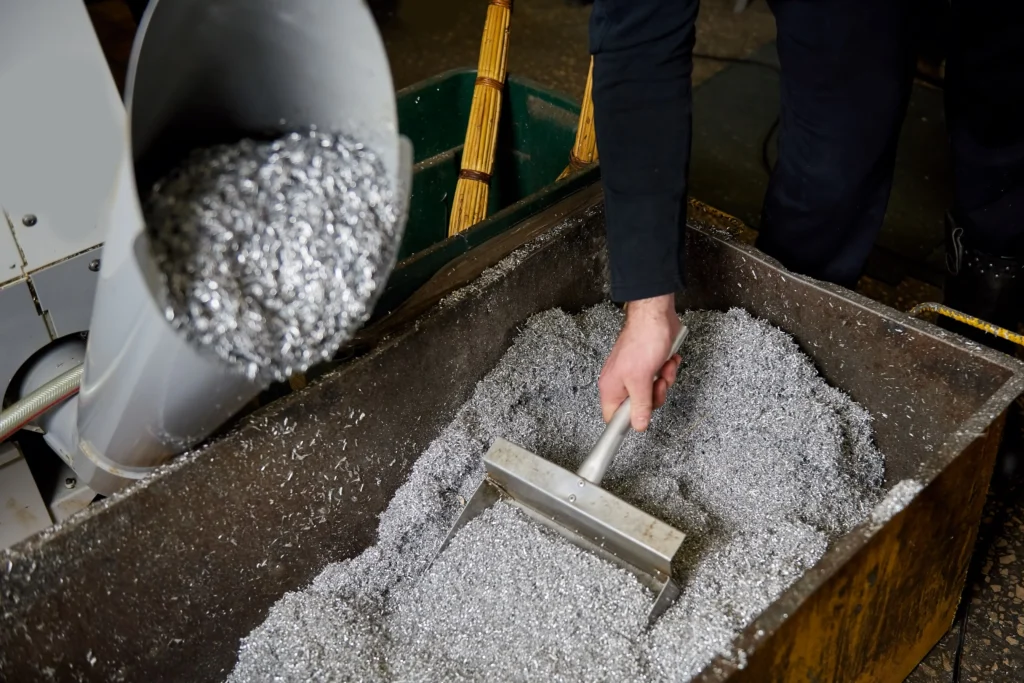
Spray on radiant barrier coatings can be effective when applied correctly, but their performance depends heavily on the specific product and installation. These coatings contain reflective materials, like aluminum flakes, suspended in a liquid binder. When sprayed onto an attic's underside or other surfaces, they aim to reflect radiant heat, similar to traditional foil barriers. For optimal results, the surface must be clean and the coating applied evenly to create a continuous, reflective layer. While they can reduce radiant heat transfer, their real-world effectiveness is often less than that of foil barriers due to potential inconsistencies in thickness and reflectivity. Industry standards emphasize that proper attic ventilation and sufficient insulation are foundational; a radiant barrier is a supplemental measure. It is crucial to use products with verified independent testing data and to have them installed by professionals to meet manufacturer specifications for any performance claims.
20 reviews