Houston, TX Air Duct Cleaning Service & Insulation | Atticair
The cost of radiant barrier insulation varies significantly based on several factors. For a typical attic installation, homeowners can expect a price range of $1,200 to $3,500, with a national average around $2,000. Key cost determinants include the size and complexity of your attic, the type of radiant barrier material (foil-faced sheathing, reflective paint, or single/double-sided foil rolls), and whether it is a DIY project or a professional installation. Professional installation ensures proper placement with an air gap, which is critical for performance. It's a strategic investment primarily for reducing cooling costs in hot climates. For a deeper dive into how it works and its benefits, see our detailed resource: Radiant Barrier.
Radiant barrier insulation can be worth it, particularly in hot, sunny climates like the southern United States. Its primary function is to reflect radiant heat, not to add traditional R-value. When properly installed in an attic (typically facing an air gap), it can significantly reduce summer heat gain, lowering attic temperatures and reducing the cooling load on your HVAC system. This often translates to measurable energy savings and improved comfort. However, its effectiveness is highly dependent on correct installation and climate. In cooler northern climates, the cost may not be justified. For optimal results, it is best used in conjunction with traditional bulk insulation like fiberglass or cellulose to address all forms of heat transfer.
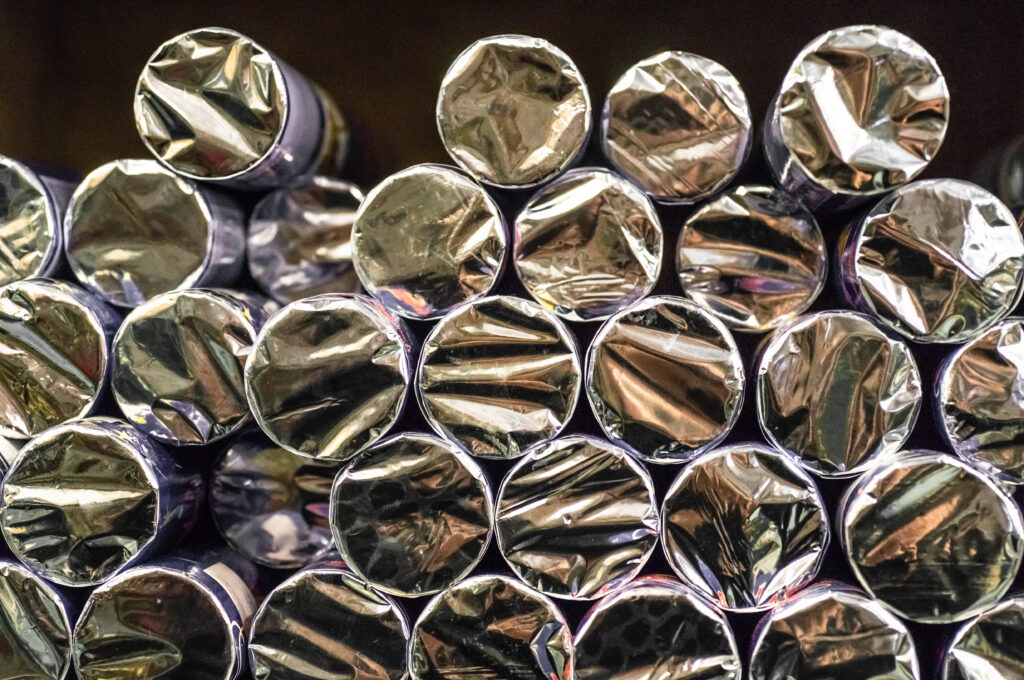
The best radiant barrier insulation depends on your specific climate, attic structure, and budget. For hot climates, a perforated, double-sided aluminum foil radiant barrier with a high reflectivity (typically 95% or more) is highly effective at reducing radiant heat gain. It should be installed facing an air gap, typically under the roof rafters, to properly reflect heat away from the living space. In mixed climates, a radiant barrier with an integrated insulating layer, like a foil-faced foam board, can offer both radiant and conductive resistance. Always choose a product that is fire-rated and complies with local building codes. Professional installation is key to ensuring the required air gap is maintained for optimal performance.
While radiant barriers and insulation serve different primary functions, they are often used together for optimal home performance. A radiant barrier reflects radiant heat, which is most effective in hot climates to reduce heat gain through attics. Insulation, however, resists conductive and convective heat flow, keeping conditioned air inside your home year-round. Having a radiant barrier does not eliminate the need for traditional insulation like fiberglass or cellulose. For comprehensive energy efficiency, building codes typically require a specific R-value of insulation in walls and attics. A radiant barrier can enhance this system, especially in summer, but it is not a substitute. A professional assessment can determine the right combination for your climate and home structure.
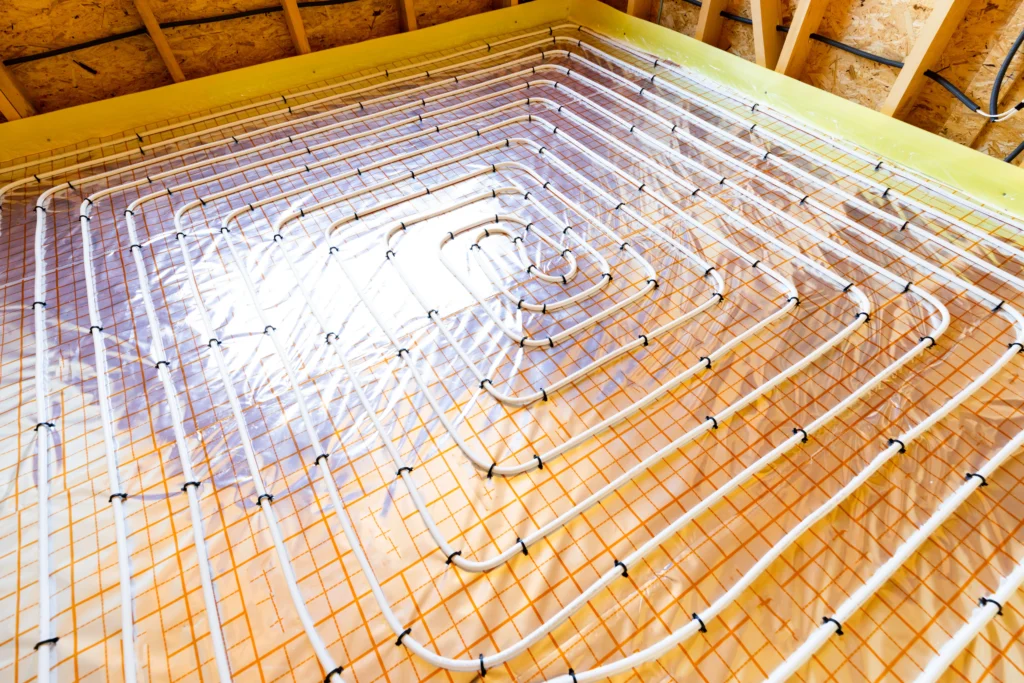
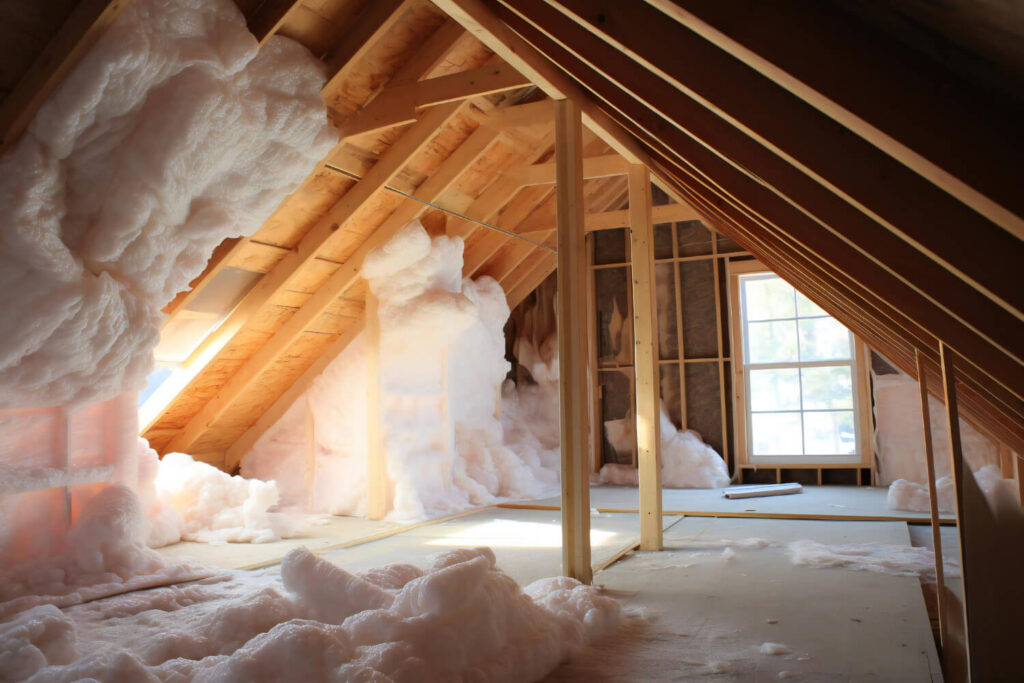
Radiant barrier insulation is a highly effective solution for homes in Northside/Northline, Houston, TX, where intense sun and heat are major concerns. This type of insulation typically involves a reflective material, often aluminum foil, installed in the attic. It works by reflecting radiant heat from the sun away from your living spaces, rather than absorbing it like traditional bulk insulation. This can significantly reduce attic temperatures, lowering cooling costs and improving overall energy efficiency. For optimal performance in the Houston climate, it is crucial that the barrier is installed with an air gap facing the attic space and that existing ventilation is adequate. Professional assessment and installation ensure it complements your current insulation without trapping moisture.
20 reviews