Houston, TX Air Duct Cleaning Service & Insulation | Atticair
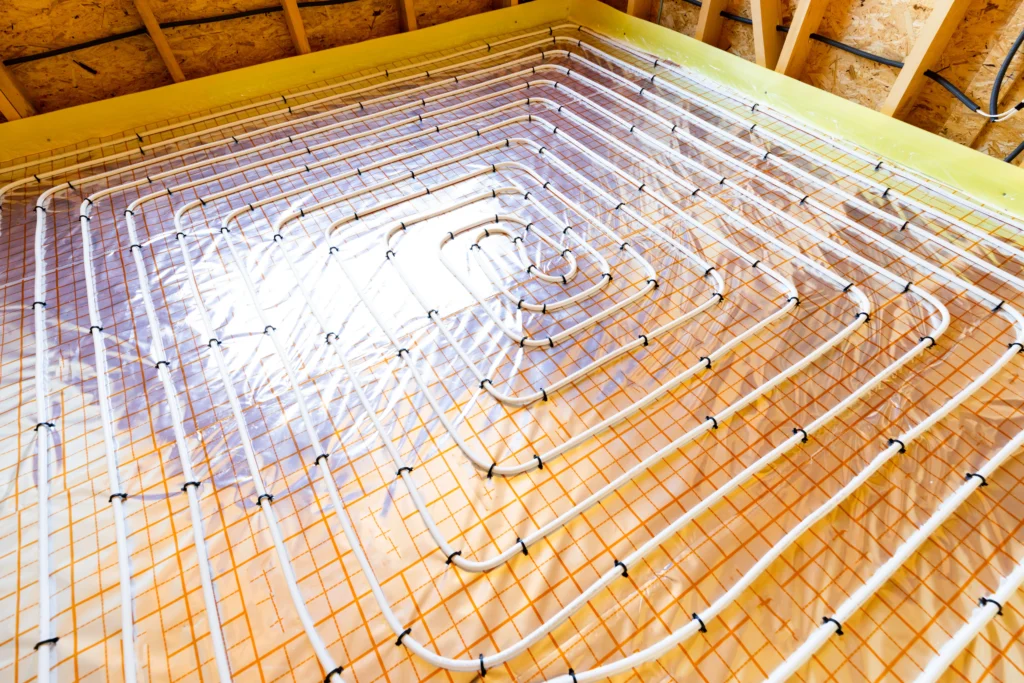
Radiant barriers are most effective when installed with the reflective side facing an air gap, and the optimal placement depends on your climate and attic configuration. In hot climates, the radiant barrier should be installed above the insulation, typically under the roof rafters, to reflect solar heat away from the living space below. In cold climates, it is generally not recommended for attic use, as it can block beneficial radiant heat from the sun in winter. For year-round effectiveness in mixed climates, installing it on top of the attic floor insulation, with the reflective side facing up, is a common method. Proper installation with a critical air space is essential for the barrier to work as intended.
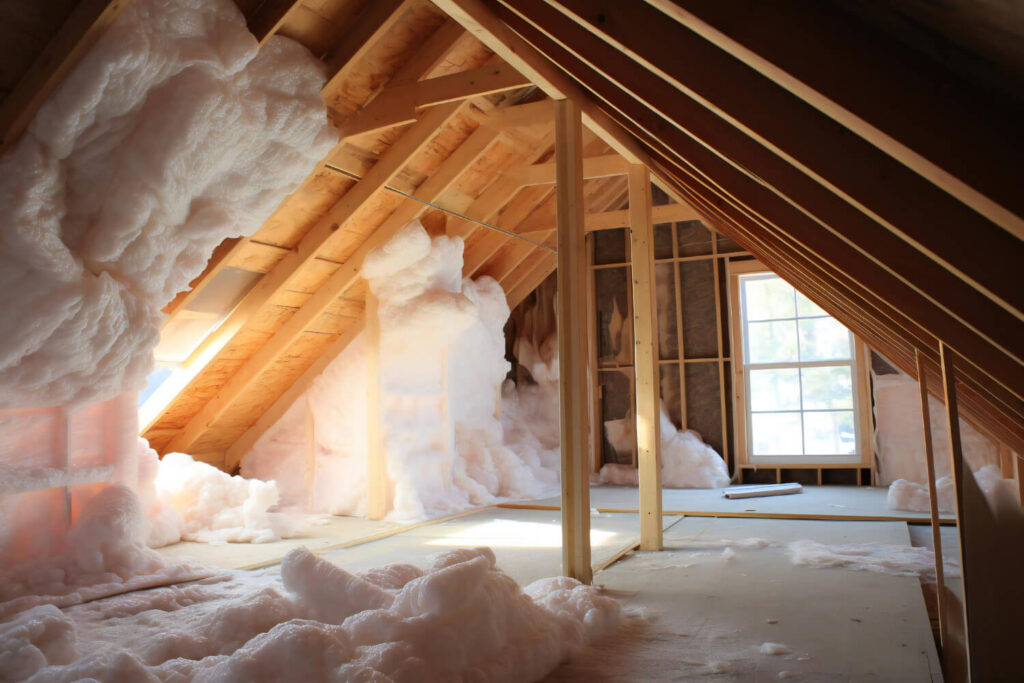
Radiant barriers and insulation serve different but complementary purposes in a home's thermal envelope. A radiant barrier, typically a reflective material installed in attics, primarily reflects radiant heat, which is most effective in hot climates to reduce cooling loads. Insulation, like fiberglass or cellulose, works by resisting conductive and convective heat flow, keeping conditioned air inside year-round. For a comprehensive and energy-efficient home, you need both. The radiant barrier addresses radiant heat gain in summer, while insulation provides the essential thermal resistance (R-value) to maintain comfortable temperatures in both summer and winter. Building codes often require specific R-values for insulation regardless of other materials used, so proper insulation remains a fundamental necessity.
Radiant barrier insulation can be a worthwhile investment, particularly in hot, sunny climates like the southern United States. Its primary function is to reflect radiant heat from the sun, preventing it from entering your attic and living spaces. This can significantly reduce cooling costs during peak summer months. However, its effectiveness depends heavily on proper installation; it must face an open air space and be kept dust-free. It is not a replacement for traditional bulk insulation like fiberglass or cellulose, which resist conductive heat flow. For optimal energy efficiency, a radiant barrier is best used as a complementary layer alongside sufficient conventional attic insulation.
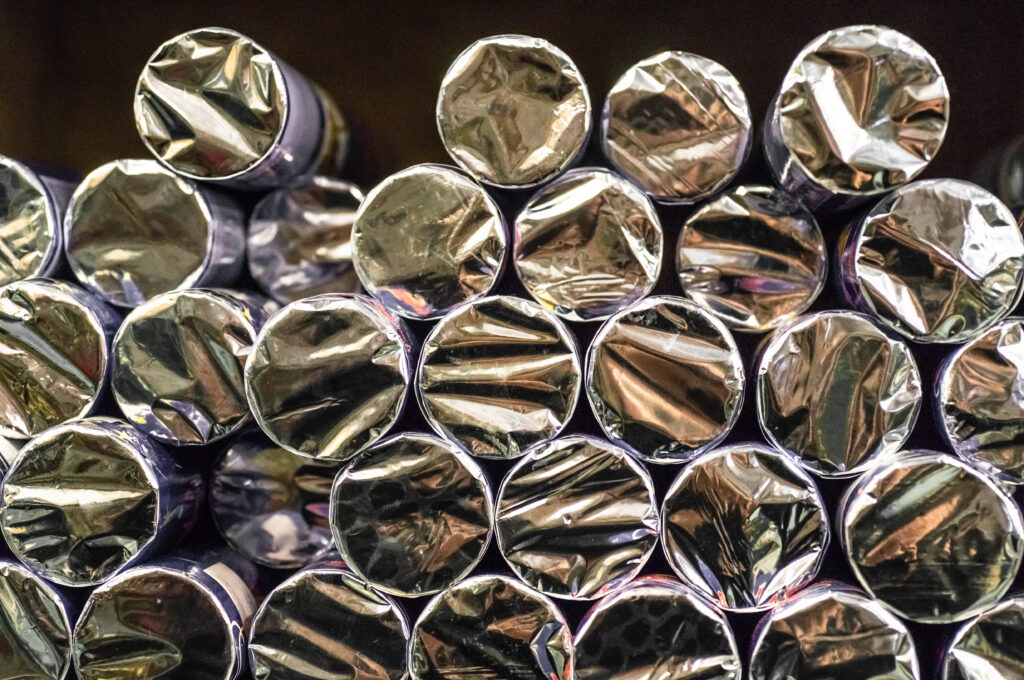
Reflective foil insulation, while effective in certain applications, has several notable disadvantages. Its primary limitation is that it only works effectively when facing an open air space, as it relies on reflecting radiant heat. If installed incorrectly, with dust accumulation or direct contact with another material, its performance drops significantly. It offers minimal resistance to conductive heat flow (low R-value) on its own, so it is often insufficient as a standalone insulation in colder climates. It can also be prone to condensation issues if not paired with proper vapor barriers. Furthermore, installation can be challenging, as the foil must be kept perfectly intact and free of tears or compressions to maintain its reflective properties.
The cost of installing radiant barrier insulation in greater heights, such as in attics or high-ceiling spaces, is influenced by several factors. The primary considerations are the increased labor and specialized equipment required for safe access and installation in elevated or confined areas. Material costs for quality foil-faced radiant barriers are generally consistent, but the project's complexity can raise the total price. Professional installation is strongly recommended for these scenarios to ensure proper placement (with an air gap) and safety compliance. For a detailed analysis of the benefits and considerations for such installations in our region, we recommend reading our internal article, Reflective Insulation in Greater Heights. Always obtain multiple quotes from certified professionals for an accurate cost assessment specific to your property's layout and the local market.
Radiant barriers and insulation serve distinct but complementary roles in building efficiency. A radiant barrier is typically a reflective material, like aluminum foil, installed in attics to reflect radiant heat away from living spaces, which is especially effective in hot climates. Insulation, such as fiberglass or cellulose, works by resisting conductive and convective heat flow, measured by its R-value, to keep homes warm in winter and cool in summer. While insulation slows heat transfer through materials, a radiant barrier addresses radiant heat gain from the sun. For optimal energy savings, they are often used together—insulation in walls and attics, with a radiant barrier on the attic's underside to enhance overall thermal performance.
20 reviews