Houston, TX Air Duct Cleaning Service & Insulation | Atticair

Radiant Barrier in Stafford

    Radiant barriers are an effective way to reduce heat transfer, improve comfort, and lower energy costs in homes. They help keep your living space cooler and more energy-efficient, especially in hot and humid areas like Stafford. By installing a radiant barrier, your air conditioning system will run more efficiently, maintaining a comfortable indoor temperature even during Stafford’s warmer months.

    If you’re renovating your home or building a new one, radiant barriers offer excellent protection against heat gain, ensuring comfort throughout the year. Our professional radiant barrier installation service provides you with a cost-effective and energy-efficient solution to improve your home’s climate control.

    Professional Radiant Barrier Services

     We offer comprehensive radiant barrier services tailored specifically for Stafford homeowners. We begin by evaluating your attic, understanding your comfort needs, and recommending the best solutions to help you maximize energy efficiency and comfort.

    Our services include

    Attic Radiant Barrier Installation

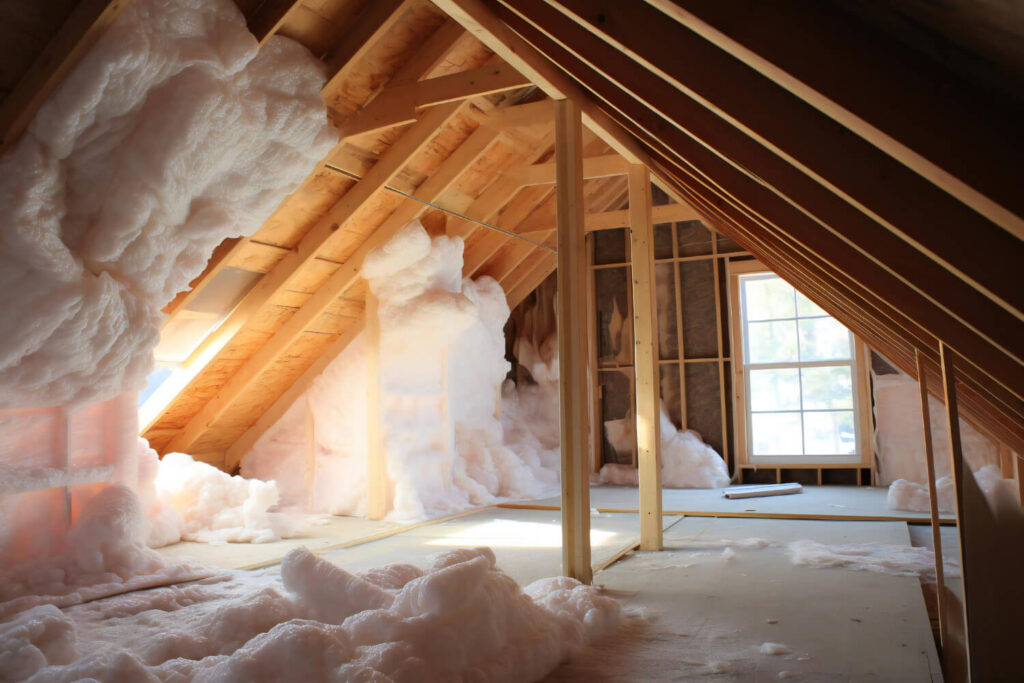
    We install high-quality radiant barriers in your attic, designed to reflect heat and minimize moisture, keeping the space cooler and dry. This helps in enhancing ventilation, reducing the risk of mold and moisture damage, and lowering your home’s energy consumption by supporting your HVAC system.

    Wall Radiant Barrier Installation

    Wall radiant barriers help maintain a stable indoor temperature by minimizing heat transfer through your home’s walls. This reduces the strain on your cooling and heating systems, lowers energy costs, and increases comfort by preventing drafts and humidity issues.

    Garage and Exterior Wall Radiant Barriers

    Adding radiant barriers to your garage and exterior walls is a great way to prevent heat from entering your home during Stafford's hottest seasons. This boosts energy conservation, making your home and surrounding environment more comfortable during the warmer months.

    Crawl Space and Basement Radiant Barriers

    Installing radiant barriers in your crawl space and basement protects your home from drafts, moisture, and heat loss. This helps regulate indoor temperatures and prevents humidity-related problems, improving overall comfort and energy efficiency.

    Client Reviews

    Our services

    Why Choose Us for Radiant Barrier Installation

    A properly installed radiant barrier offers long-lasting comfort and energy savings. Our team understands the unique climate conditions in Stafford and uses only the highest quality materials and methods for the best results.

    Homeowners choose us because we provide:


    Zip Codes we serve in Stafford

    Service Areas

    Get a Free Estimate for Radiant Barrier Installation

     Ready to make your Stafford home more energy-efficient and comfortable? Contact us today for a free estimate and learn how radiant barriers can improve your home’s indoor environment.

    People Also Ask

    The cost to install a radiant barrier varies widely based on factors like home size, attic accessibility, material type, and regional labor rates. On average, homeowners can expect to pay between $1,200 and $2,500 for a professional installation in a standard attic. This typically includes materials—such as foil-faced barriers or reflective coatings—and labor for proper installation, which is crucial for performance. For larger or more complex homes, costs can exceed $3,000. It's important to get multiple quotes from certified professionals, as proper installation to avoid moisture traps and ensure an air gap is key to effectiveness and long-term energy savings.

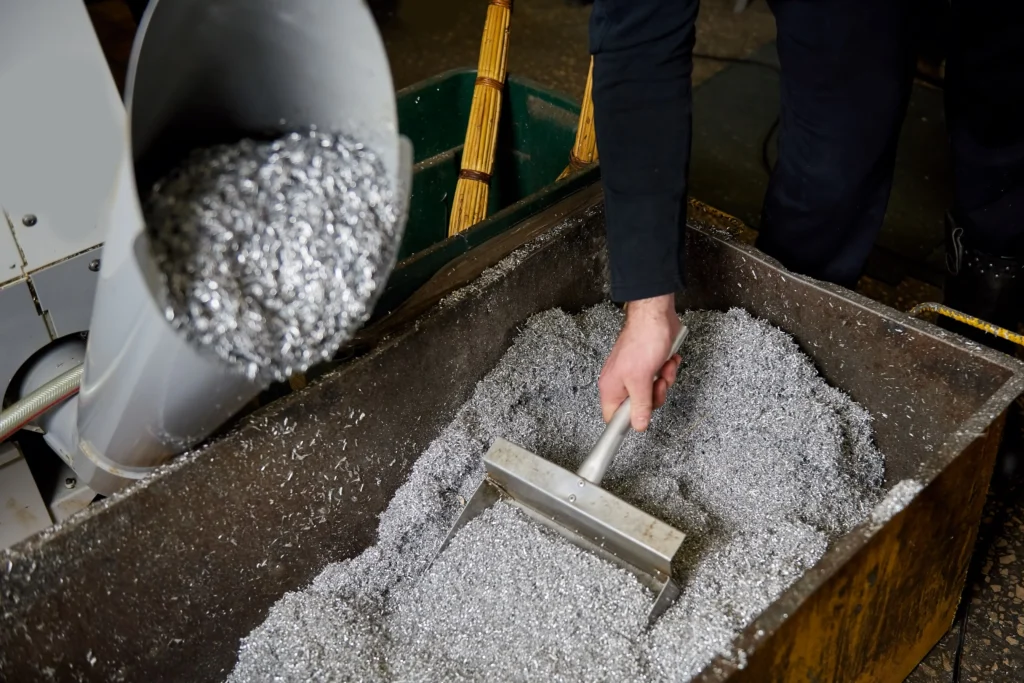
    Spray on radiant barrier coatings can be effective when applied correctly, but their performance depends heavily on the specific product and installation. These coatings typically contain reflective materials like aluminum flakes suspended in a binder. When sprayed onto an attic's underside or other surfaces, they aim to reflect radiant heat, reducing heat transfer into living spaces. For optimal results, the surface must be clean and the coating applied evenly to create a continuous, unbroken reflective layer. While they can complement traditional insulation, their real-world effectiveness is often less than that of foil-type radiant barriers. Industry standards suggest that proper attic ventilation and sufficient traditional insulation (like fiberglass or cellulose) are more critical for overall energy efficiency. A spray-on barrier should be viewed as a potential supplement, not a primary insulation solution.

    The lifespan of a professionally installed radiant barrier is exceptionally long. When installed correctly in a clean, dry attic space where it is not subjected to physical damage, condensation, or dust accumulation, the reflective material itself can last for decades without degradation. The aluminum foil core does not oxidize or break down under normal conditions. The primary factor affecting longevity is the integrity of the substrate it is laminated to, such as kraft paper or plastic film, and the quality of the installation. For maximum, sustained performance, it is crucial that the barrier remains shiny and dust-free, which underscores the importance of a proper initial installation by a qualified technician. For a deeper dive into how radiant barriers work and their benefits, please refer to our detailed resource: Radiant Barrier.

    The cost to spray foam a 2000 sq ft attic typically ranges from $3,500 to $7,500, with an average around $5,500. This wide range is due to several key factors. The type of foam is a primary cost driver; open-cell foam is less expensive (often $1.00 to $1.50 per board foot) but provides a lower R-value per inch, while closed-cell foam is more costly ($1.50 to $3.00+ per board foot) but offers a superior air seal and higher R-value. The required thickness (R-value) dictated by your local building code significantly impacts material use. Other variables include attic accessibility, the complexity of the framing, existing insulation removal, and regional labor rates. For an accurate quote, it is essential to obtain a professional assessment from a certified installer who can evaluate your specific attic conditions and performance goals.

    Radiant barriers are a key component for improving home energy efficiency, particularly in attics. In Stafford, where summers can be hot, the best radiant barrier is typically a perforated, double-sided aluminum foil laminate. This type is highly effective at reflecting radiant heat away from your living spaces. It is crucial that the barrier has an appropriate thermal emittance rating and is installed with an air gap facing the attic space. For optimal results, professional installation by a certified technician, like those at Atticair, is recommended to ensure it complements your existing insulation and ventilation without trapping moisture, which is vital for Stafford's climate.

    The cost of installing a radiant barrier in Stafford can vary based on several factors. On average, homeowners might expect a price range from approximately $1,200 to $2,500 for a professional installation in a standard attic. Key cost determinants include the size and complexity of your attic space, the specific type and quality of radiant barrier material chosen (such as foil-faced sheathing or reflective foil rolls), and the labor rates of the local contractor. It is crucial to obtain multiple detailed quotes from licensed and insured professionals in the Stafford area. A proper installation that creates an air gap is essential for the barrier to effectively reflect radiant heat, which can significantly improve attic temperature regulation and potentially lower cooling costs.

    Arctic insulation refers to specialized techniques and materials designed for extreme cold climates, similar to those found in polar regions. In residential and commercial settings, this concept translates to using high-performance insulation with exceptional thermal resistance (R-value) to prevent heat loss and manage moisture effectively. Key strategies include creating a continuous, airtight thermal envelope using materials like spray foam, rigid foam boards, or high-density batts. Proper air sealing is critical to prevent drafts and ice dam formation. In such demanding environments, exceeding local building code minimums for insulation R-value is a standard industry recommendation to ensure energy efficiency, occupant comfort, and long-term protection of the building structure from freeze-thaw cycles and condensation issues.

    Google

    Overall Rating

    5.0
    ★★★★★

    20 reviews