Houston, TX Air Duct Cleaning Service & Insulation | Atticair
Reflective foil insulation, while effective in certain applications, has several notable disadvantages. Its primary limitation is that it only works effectively when facing an open air space, as it relies on reflecting radiant heat. If installed incorrectly, with dust accumulation or direct contact with another material, its performance drops significantly. It offers minimal resistance to conductive heat flow (low R-value) on its own, so it is often insufficient as a sole insulation material in colder climates. It can also be prone to condensation issues if not paired with proper vapor barriers. Furthermore, installation can be challenging, as the material must be installed with precise air gaps and can be easily torn or punctured during handling.
Reflective insulation, often called radiant barrier insulation, is designed to reduce heat transfer by reflecting radiant heat rather than absorbing it. It is most effective in hot climates, particularly in attics, where it can reflect solar radiation away from the living space. When installed correctly—typically with an air gap facing the heat source—it can significantly lower attic temperatures and reduce cooling costs. However, its performance is highly dependent on proper installation and specific climate conditions. It is generally not a standalone solution but works best as part of a comprehensive insulation system that includes bulk insulation like fiberglass or cellulose to address conductive and convective heat flow. For optimal home energy efficiency, a professional assessment is recommended to determine the right insulation strategy.
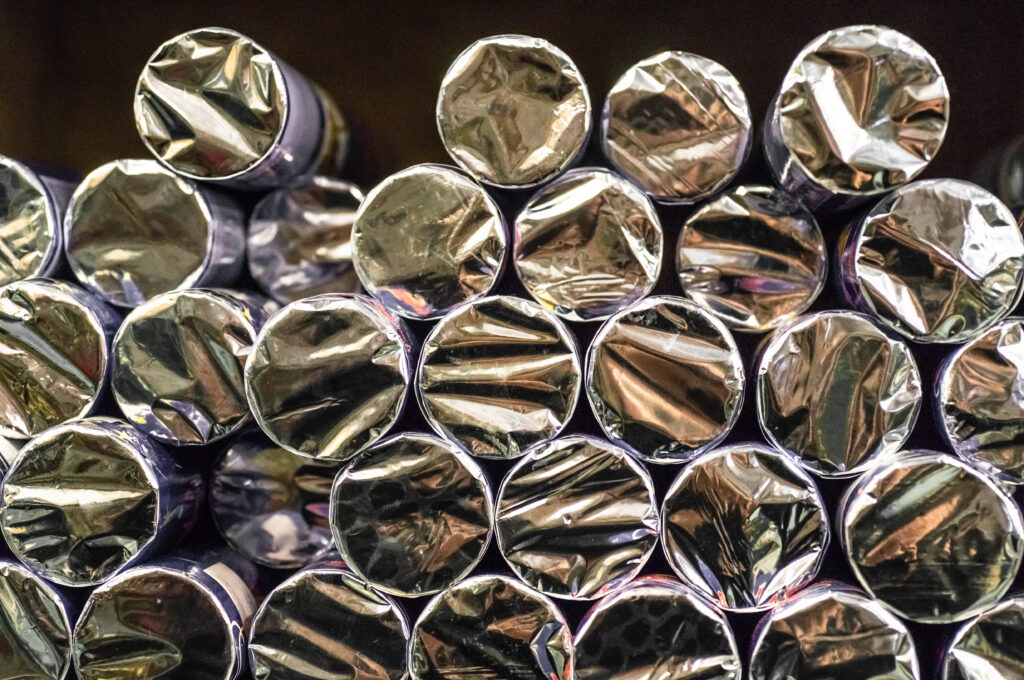
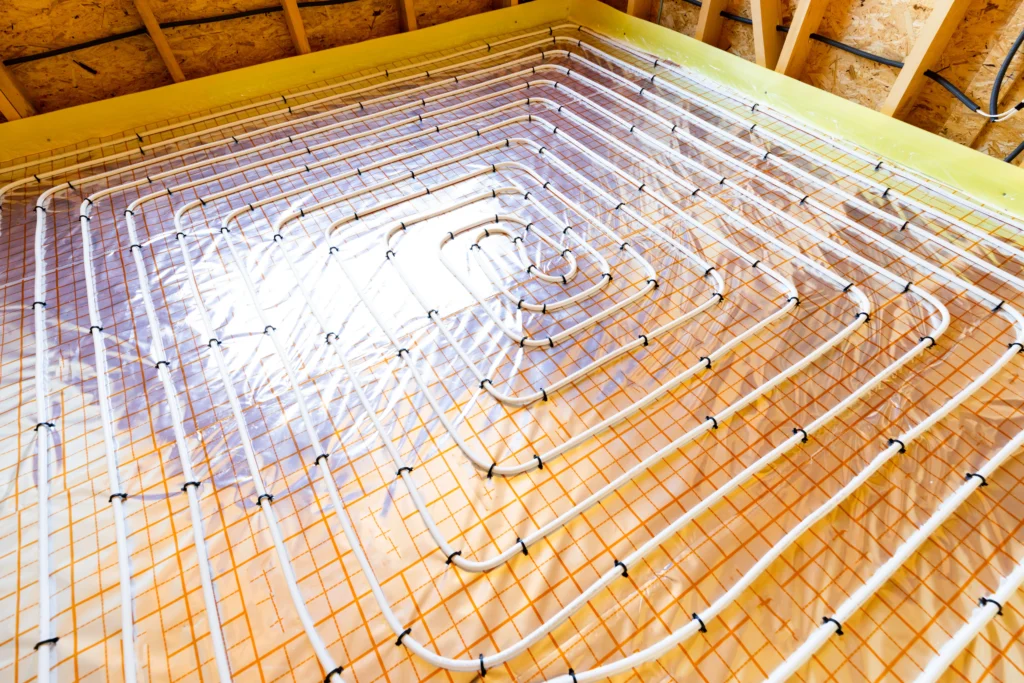
Reflective insulation is a type of thermal insulation that works by reflecting radiant heat away from a space. A common and effective example is radiant barrier foil insulation, which typically consists of a layer of aluminum foil laminated to a substrate like kraft paper, plastic film, or foam board. This material is installed in attics, often stapled to the underside of roof rafters, where it reflects the sun's radiant heat away from the living areas below. Unlike bulk insulation that resists conductive heat flow, reflective insulation is most effective in reducing summer heat gain, improving overall energy efficiency by keeping attics and ducts cooler. Proper installation with an air gap is crucial for optimal performance.
Reflectix is a popular radiant barrier insulation that can be effective in specific applications, but its performance is highly dependent on proper installation and the right conditions. It works by reflecting radiant heat, not by providing significant resistance to conductive heat flow like traditional bulk insulation (fiberglass or cellulose). For it to work effectively, it must face an open air space. It is most effective in reducing summer heat gain in attics, crawl spaces, and behind wall panels in hot climates. However, it is not a substitute for adequate bulk insulation in walls or ceilings in cold climates where conductive heat loss is the primary concern. Industry standards emphasize that radiant barriers are a supplemental system and must be installed with the reflective surface facing an air gap to perform as intended.
20 reviews