Houston, TX Air Duct Cleaning Service & Insulation | Atticair

Reflective Insulation in Baytown

    One of the most efficient methods of managing the temperatures in your house, preventing energy-wasting, and making your house as comfortable as possible is reflective insulation. You need to be properly insulated in order to make sure that your air conditioning system does not run long, that your home does not get as hot, and the utility costs are kept down in a hot and humid place, such as Baytown.

    Reflective insulation suits best in the case of upgrading an older home or building a new one. It assists in keeping the indoor environment comfortable as well as consuming less energy, even on the hottest days in Baytown. Our group offers professional reflective insulation to install to ensure comfort in the long term, durability, and stability of the results throughout the year.

    Professional Reflective Insulation Services

    We provide total reflective insulation services depending on the special needs of Baytown homes. Each home is different, and therefore, we take time to analyze your property, know your comfort requirements, and suggest the best reflective insulation product that would save energy over the long term.

    Our services include

    Attic Reflective Insulation

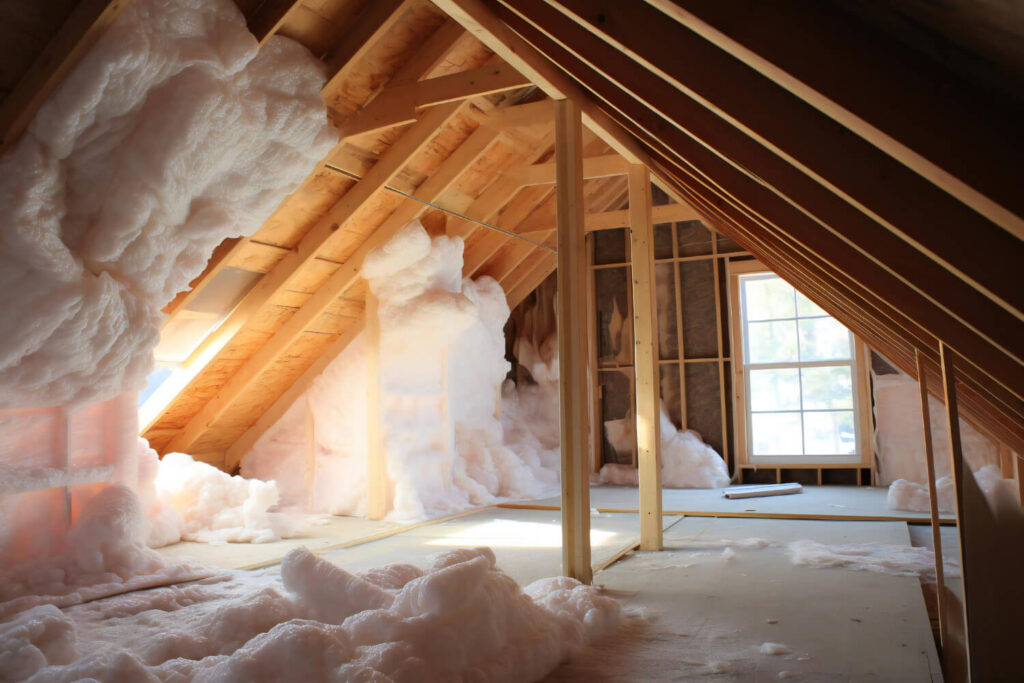
    High-performance reflective attic insulation is installed to prevent the transfer of heat to other areas of the house, decrease moisture, and enhance airflow. This will save on energy used by ensuring that your home does not get hot during the summer and cold during the winter. Correct insulation of an attic also reduces the chance of mold and moisture destruction, which safeguards the building of your home and enables your HVAC system to work efficiently, resulting in a saving of money on monthly energy bills.

    Wall Reflective Insulation

    Our wall insulation solutions allow equalizing the temperatures indoors and increasing the overall comfort. Your cooling and heating systems pay less attention to keeping out or letting out heat by the use of walls, so that you use less energy and have your home all the same climate. Further protection helps to protect walls against moisture, drafts, and subsequent problems.

    Garage & Exterior Wall Reflective Insulation

    Reflective wall and garage insulation will minimize the heat entering the garage in the hot summer months in Baytown. It keeps the indoor temperatures at a constant level and, therefore, reduces the burden on your HVAC. This is an excellent service to have in areas that are sun-exposed or near a garage, as properly insulated exterior walls enhance your home not only in saving energy but also in safeguarding your home against moisture damage.

    Crawl Space & Basement Reflective Insulation

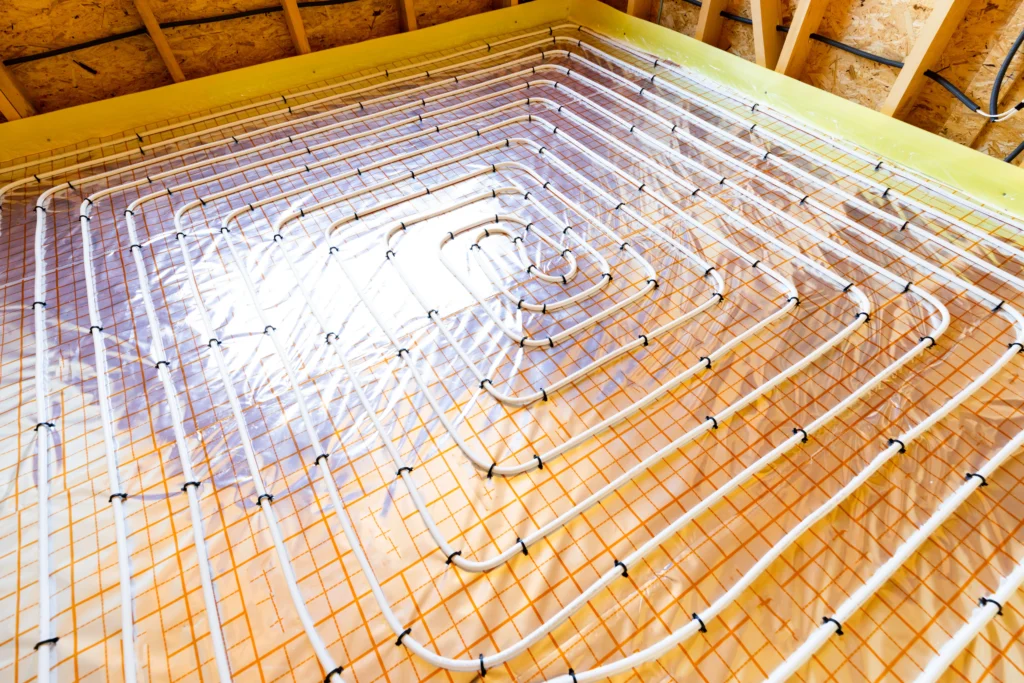
    Crawl spaces and basement walls are lined with reflective insulation to stop drafts, moisture intrusion, and heat loss. These spaces remain warmer during winter and cooler during summer, and make your house comfortable. Insulating such spaces also prevents the development of mold and structural problems that happen due to humidity, and it makes the indoors healthier.

    Client Reviews

    Our services

    Why Choose Us for Reflective Insulation?

    It is necessary to choose the appropriate insulation contractor. Incorrect installation may lead to leakages, wetness, and energy wastage. Our group knows local houses, weather, and construction requirements. Our materials are of high quality, we employ appropriate installation procedures, and offer solutions that are of long duration.

    Here’s why homeowners trust us:

    Zip Codes we serve in Baytown

    Service Areas

    Get a Free Estimate for Reflective Insulation

    Need to make your home more comfortable and spend less on energy? We can assist you. Find out how reflective insulation can make your Baytown house cooler, quieter, and more energy-saving.

    Call us today for a free estimate and experience the difference quality insulation can make.


    Related Articles

    People Also Ask

    Reflective foil insulation, while effective in certain applications, has several notable disadvantages. Its primary limitation is that it only works effectively when facing an open air space, as it relies on reflecting radiant heat. If installed incorrectly or compressed, its performance drops significantly. It offers little to no resistance to conductive heat flow on its own, so it is often less effective in very cold climates where conductive and convective heat loss dominate. It can also be prone to condensation issues if not paired with proper vapor barriers, potentially leading to mold or material degradation. Furthermore, installation can be challenging, as the foil must be kept clean and free of dust to maintain its reflectivity, and it requires meticulous sealing at seams to be fully effective.

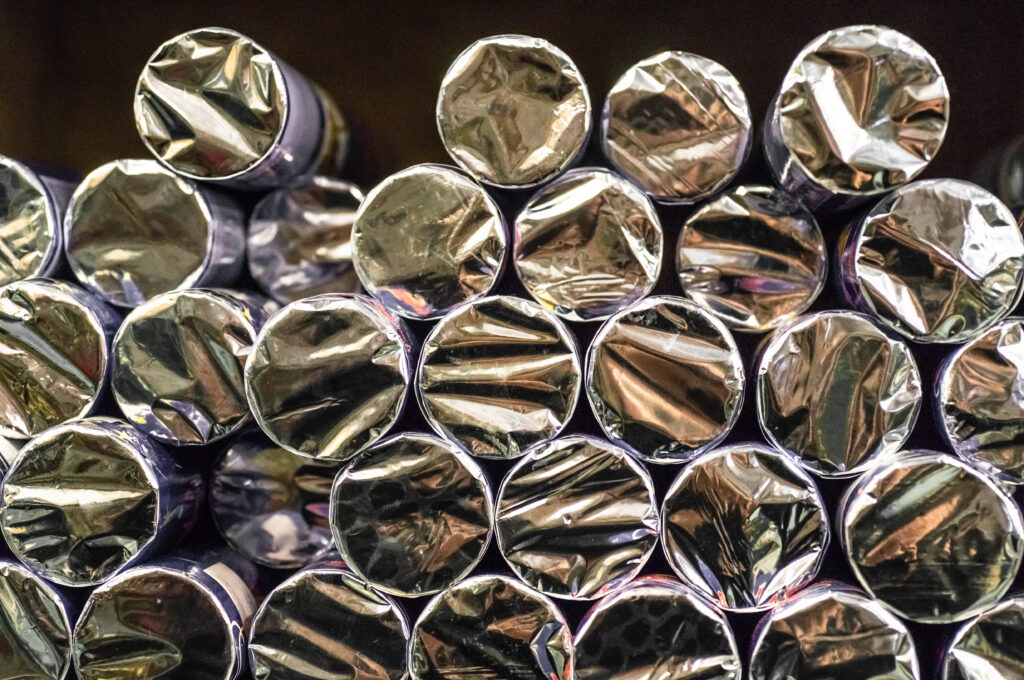
    Reflective insulation, often called radiant barrier insulation, is designed to reduce heat transfer by reflecting radiant heat rather than absorbing it. It is typically made from aluminum foil laminated to paper or plastic and is most effective when installed in attics, where it faces an air space. Its performance is highly dependent on proper installation; it works best when the reflective surface is clean, faces an open air gap, and is not compressed by other materials. In hot climates, it can significantly reduce cooling costs by blocking radiant heat from the sun. However, it is not a replacement for traditional bulk insulation like fiberglass or cellulose, which resist conductive and convective heat flow. For optimal energy efficiency, reflective insulation is often used in conjunction with conventional insulation materials to address all forms of heat transfer.

    Yes, foil insulation typically requires an air gap to function effectively. This type of insulation, often called reflective insulation, works by reflecting radiant heat. The air gap, usually at least 25mm (1 inch), is crucial because it provides a space for the reflective surface to work against. Without this gap, the foil can conduct heat directly through contact with other materials, significantly reducing its insulating performance. The gap should be positioned on the reflective side, facing the heat source (like a warm attic space in summer). Proper installation following manufacturer guidelines and local building codes is essential for achieving the stated R-value and ensuring energy efficiency in your home.

    The concept of the "thinnest insulation with the highest R-value" refers to advanced vacuum insulation panels (VIPs) and aerogels. VIPs achieve remarkable thermal resistance, with R-values around R-25 to R-50 per inch, by creating a near-perfect vacuum within a sealed panel. Similarly, aerogel blankets, often used in specialized applications, can provide around R-10 per inch. These materials are significantly more efficient than traditional fiberglass (R-3 to R-4 per inch) or foam boards. However, they are substantially more expensive, require professional installation to avoid compromising their integrity, and are not typically used in standard residential attics or walls. For most homes, high-density spray foam or rigid polyiso foam boards offer a more practical balance of R-value per inch and cost.

    Reflective insulation is an effective solution for homes in Baytown, Texas, due to the region's hot and humid climate. This type of insulation works by reflecting radiant heat away from living spaces, rather than just slowing conductive heat flow like traditional materials. It typically consists of a shiny aluminum foil layer laminated to a substrate like foam or plastic. For Baytown attics, installing reflective insulation under the roof rafters can significantly reduce heat gain, lowering cooling costs and improving indoor comfort. It is often used in conjunction with other insulation types for optimal performance. Proper installation is crucial, ensuring an air gap is maintained for the reflective surface to function effectively, and it should be part of a comprehensive home energy assessment.

    Residential reflective insulation in Baytown involves installing specialized materials that reflect radiant heat, which is particularly effective in hot climates like Texas. This type of insulation typically consists of foil-faced materials, such as radiant barriers, installed in attics to reduce heat transfer into living spaces. Proper installation is crucial; it must be positioned with an air gap to function effectively by reflecting heat away. Homeowners should ensure the attic is properly ventilated and that any existing insulation is assessed for compatibility. For optimal energy efficiency and comfort, consulting with a local professional like Atticair is recommended to evaluate your specific home's needs and ensure installation meets industry standards, potentially lowering cooling costs significantly.

    Reflective insulation in Baytown typically costs between $1.50 to $3.50 per square foot for materials and professional installation. The final price depends on several factors, including the specific type of reflective insulation (like radiant barrier foil), the size and complexity of the attic or crawl space, and the contractor's labor rates. For a standard residential attic, total project costs often range from $1,200 to $2,500. It is crucial to get multiple quotes from licensed and insured local contractors who can assess your home's specific needs. Proper installation is key to effectiveness, as the material must face an air gap to reflect radiant heat, which can significantly improve energy efficiency and comfort in Baytown's climate.

    Google

    Overall Rating

    5.0
    ★★★★★

    20 reviews