Houston, TX Air Duct Cleaning Service & Insulation | Atticair
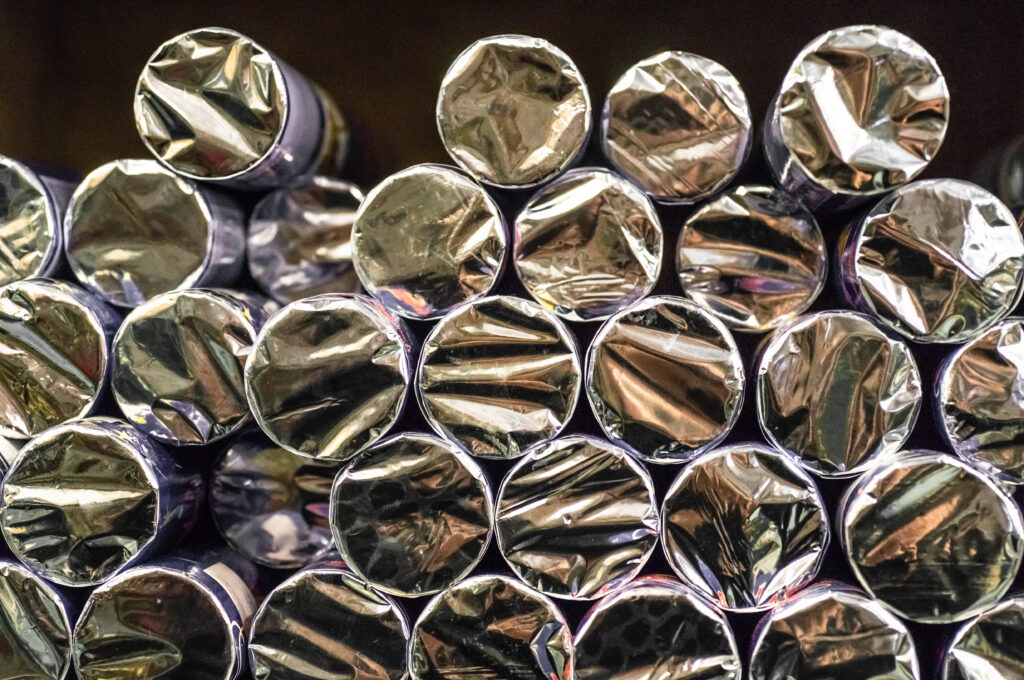
Reflective foil insulation, while effective in certain applications, has several notable disadvantages. Its primary limitation is that it only works effectively when facing an open air space, as it relies on reflecting radiant heat. If installed incorrectly or compressed, its performance drops significantly. It offers little to no resistance to conductive heat flow on its own, so it is often less effective in very cold climates where conductive and convective heat loss dominate. Foil insulation can also be challenging to install perfectly, as gaps, tears, or improper sealing greatly reduce its effectiveness. Furthermore, it provides no sound insulation and in attics, dust accumulation on the foil surface can severely diminish its reflective properties over time.
Reflective insulation, often called radiant barrier insulation, can be effective in specific applications when installed correctly. Its primary function is to reduce radiant heat transfer, which is a major source of heat gain in attics and similar spaces. It works by reflecting radiant heat away from the living space, rather than resisting conductive heat flow like traditional bulk insulation. For optimal performance in hot climates, it must face an open air space and be kept clean and dust-free. It is most effective when used in conjunction with traditional insulation materials like fiberglass or cellulose to address all forms of heat transfer. Professional assessment is recommended to determine if it's a suitable solution for a specific home's construction and climate.
Spray foam insulation can complicate home sales due to potential buyer concerns about moisture and air quality. While it is an excellent air barrier when professionally installed, improper application can trap moisture within walls, leading to hidden rot and mold. Some buyers also worry about off-gassing of volatile organic compounds (VOCs) from certain foam products, though modern formulations have improved. Additionally, spray foam can make it difficult for home inspectors to assess the condition of wiring, plumbing, and structural elements behind the walls. To mitigate these issues, sellers should provide documentation from a certified installer, including the product's specifications and any relevant building code approvals, to demonstrate a proper, high-quality installation.
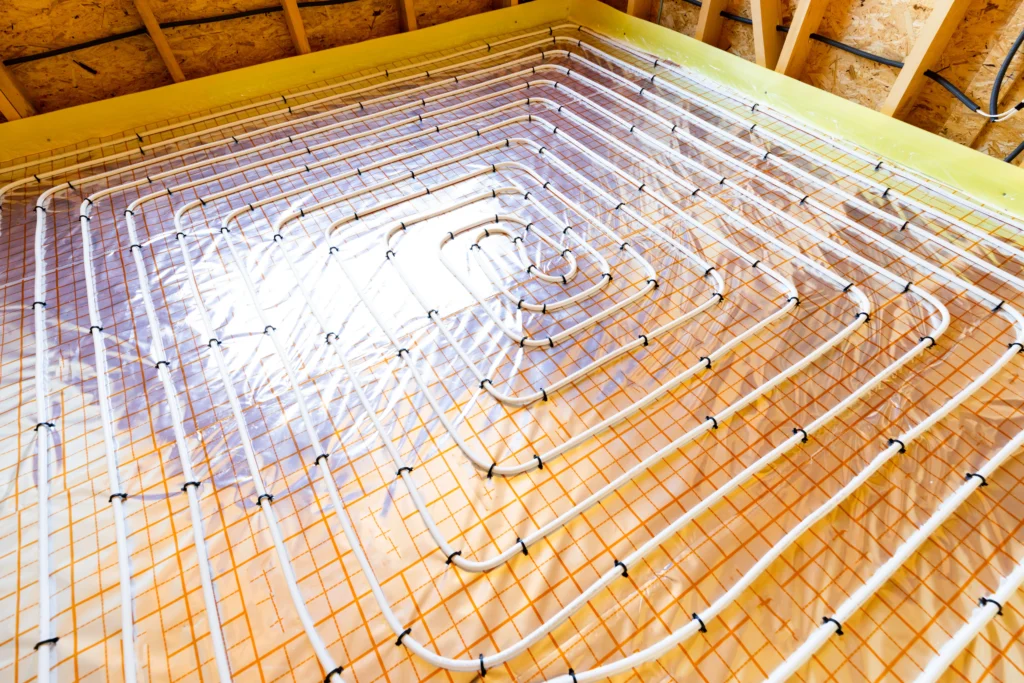
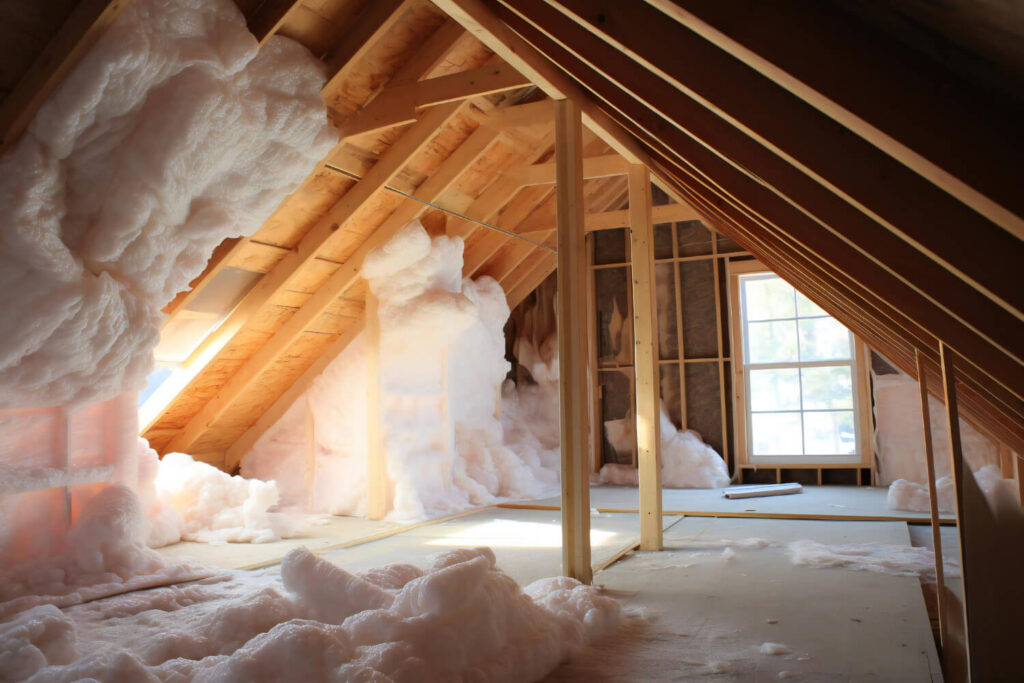
Reflective foil insulation, often called radiant barrier insulation, is primarily installed in attics and crawl spaces to block radiant heat transfer. In attics, it is typically stapled to the underside of roof rafters or over existing attic floor insulation, with the reflective side facing downward toward the living space. This placement reflects radiant heat from the roof away from the home, significantly reducing cooling loads. It is also used inside walls, particularly in hot climates, and around HVAC ductwork and water heaters to improve energy efficiency. Proper installation is crucial, requiring an air gap adjacent to the reflective surface to function effectively, as it works by reflecting heat, not resisting conductive flow like bulk insulation.
Reflective insulation is an effective solution for homes in Rosharon, Texas, where hot and humid climates demand efficient thermal control. This type of insulation works by reflecting radiant heat away from living spaces, rather than just slowing conductive heat transfer. In attics, installing reflective barriers, such as foil-faced materials, can significantly reduce cooling loads by blocking solar heat gain. For optimal performance in Rosharon's climate, it should be combined with proper attic ventilation and air sealing to prevent moisture buildup. Professional installation ensures there is an air gap, which is crucial for reflectivity. This approach aligns with energy-saving goals, enhancing home comfort and potentially lowering utility bills in Texas's demanding weather.
Reflective insulation in Rosharon typically costs between $1.50 to $3.50 per square foot installed, depending on the specific product, project complexity, and labor. This type of insulation, often using radiant barriers like foil-faced materials, is highly effective in hot climates for reducing heat gain by reflecting radiant energy. Key factors influencing the final price include the attic's size and accessibility, the existing insulation condition, and the chosen brand's quality. For an accurate estimate tailored to your home, it is essential to obtain a professional assessment from a certified insulation contractor who can evaluate your attic's specific needs and ensure proper installation for optimal energy efficiency and performance.
22 reviews