Houston, TX Air Duct Cleaning Service & Insulation | Atticair
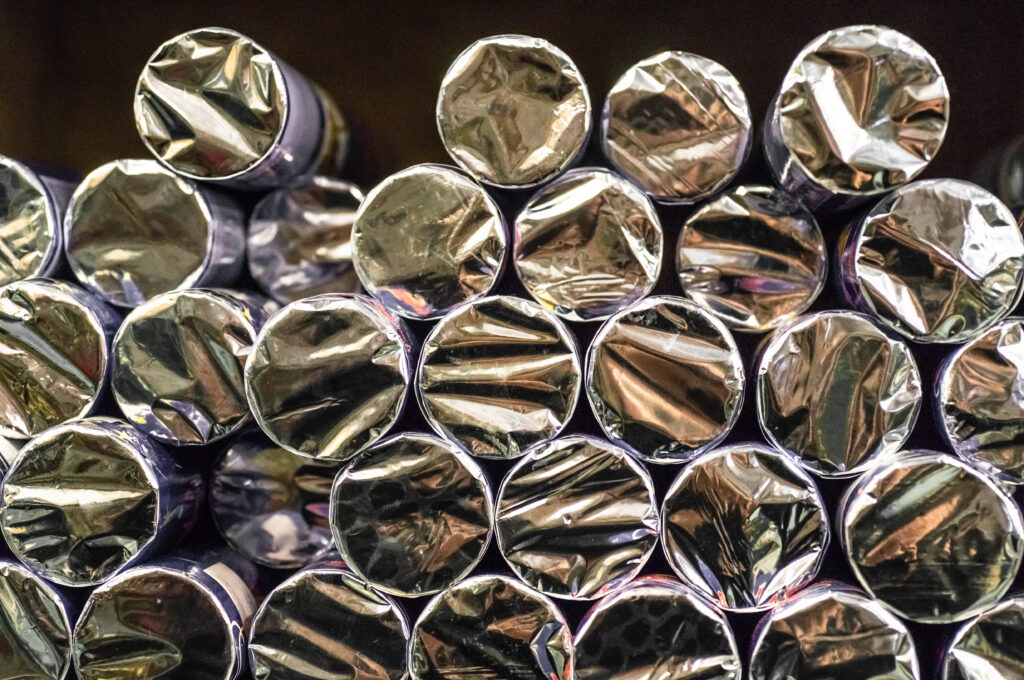
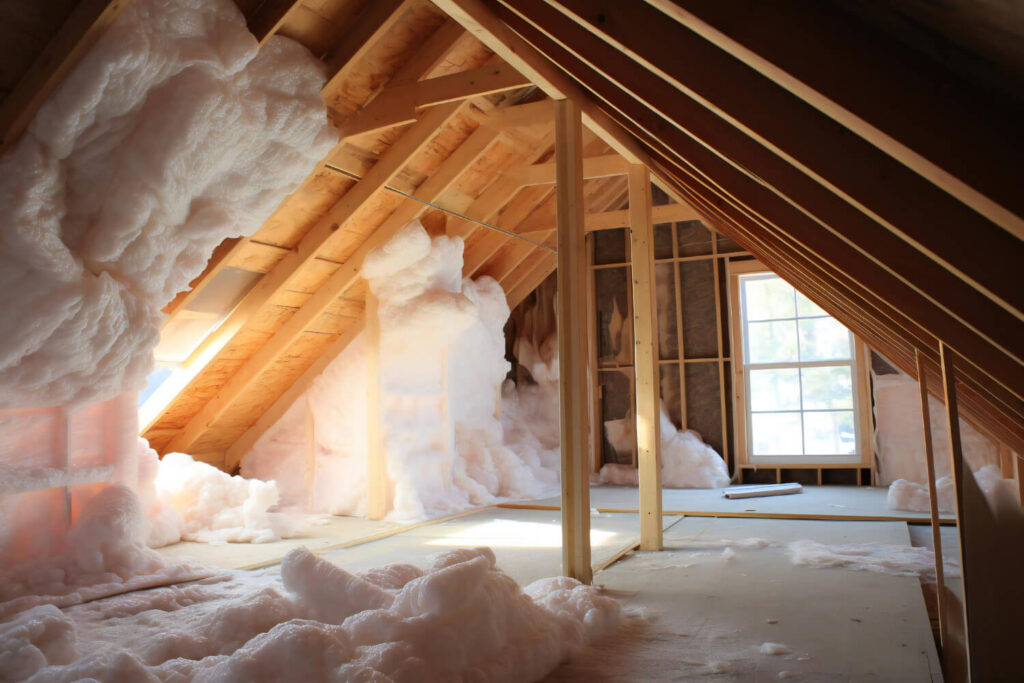
Reflective insulation, often called radiant barrier insulation, is designed to reduce heat transfer by reflecting radiant heat away from living spaces. It works effectively in specific applications, particularly in hot climates where blocking radiant heat from the sun is crucial. Installed in attics, it reflects heat away from the interior, helping to keep homes cooler and reducing air conditioning loads. However, its performance depends on proper installation with an air gap facing the heat source, as it is ineffective if compressed or covered. For comprehensive energy efficiency, it is often best used in combination with traditional bulk insulation like fiberglass or cellulose, which handles conductive and convective heat transfer.
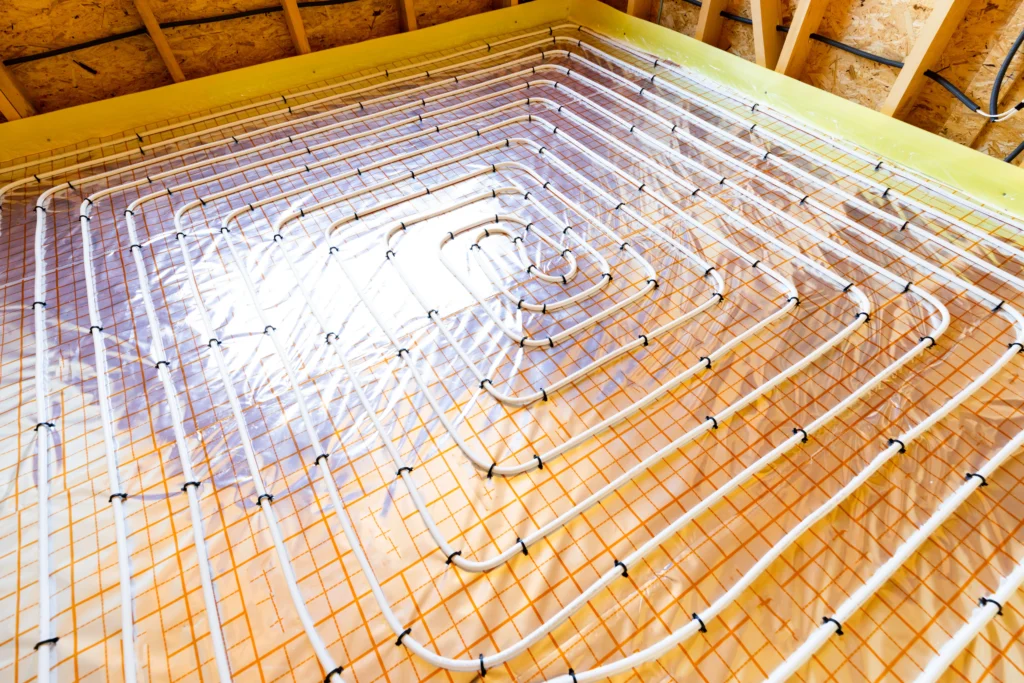
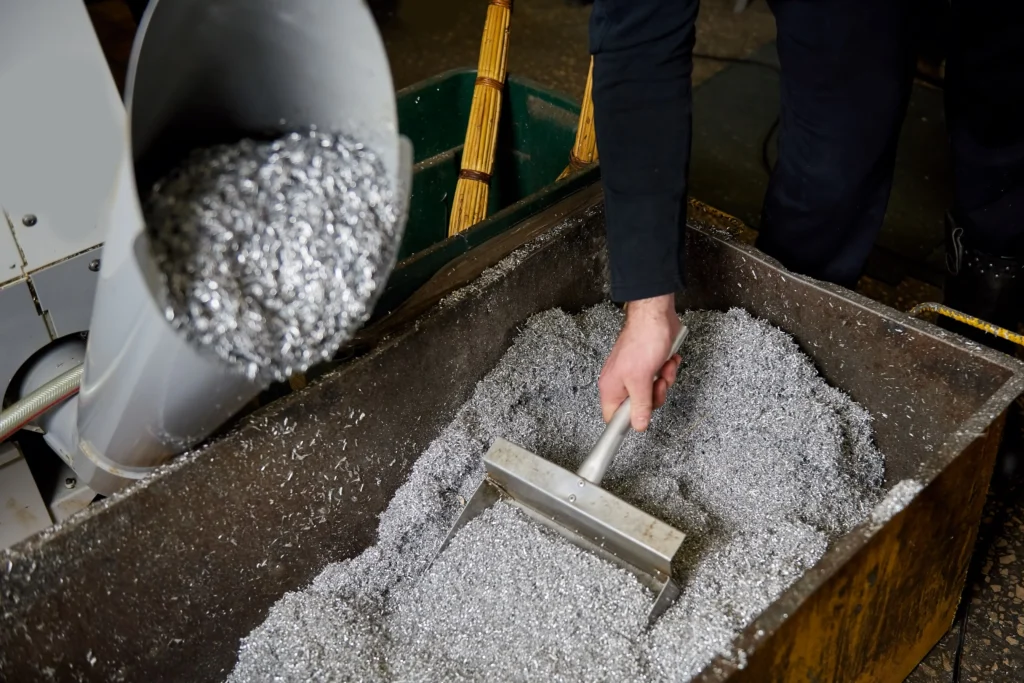
Reflective insulation, often called radiant barrier insulation, follows specific rules for effective installation. It must face an air gap of at least 3/4 inch to function properly, as it works by reflecting radiant heat, not by absorbing it. The reflective surface, typically aluminum foil, should be installed facing the heat source—like towards the attic space in hot climates to reflect summer heat away. It is crucial that the material remains clean and dust-free, as dust accumulation significantly reduces its reflectivity. For optimal performance, it is often used in conjunction with other insulation types like fiberglass or cellulose to address all forms of heat transfer (conduction and convection as well). Professional installation ensures proper sealing and placement to meet building code requirements.
Foil insulation, often called reflective insulation, has a primary disadvantage in its dependence on an air gap to function effectively. Its core mechanism is to reflect radiant heat, not to resist conductive heat flow like bulk insulation materials. To achieve its stated R-value, a significant air space must be maintained adjacent to the shiny surface; compressing it or installing it flush against another material renders it largely ineffective. It also offers minimal soundproofing benefits and can be easily torn or punctured during installation. In many climates and building applications, it is best used as a supplemental radiant barrier in conjunction with traditional bulk insulation like fiberglass or cellulose, rather than as a primary insulating material on its own.
Reflective insulation is generally considered a cost-effective option compared to many traditional bulk insulation materials like fiberglass or spray foam. The initial material cost per square foot is often lower, and its lightweight, flexible nature typically makes for easier and faster DIY or professional installation, reducing labor expenses. However, its effectiveness is highly dependent on proper installation with a critical air gap, which must be maintained. For optimal performance in attics or walls, it is often used in combination with other insulation types. Over the long term, its ability to reflect radiant heat can lead to significant energy savings, especially in hot climates, improving its overall value proposition.
20 reviews