Houston, TX Air Duct Cleaning Service & Insulation | Atticair
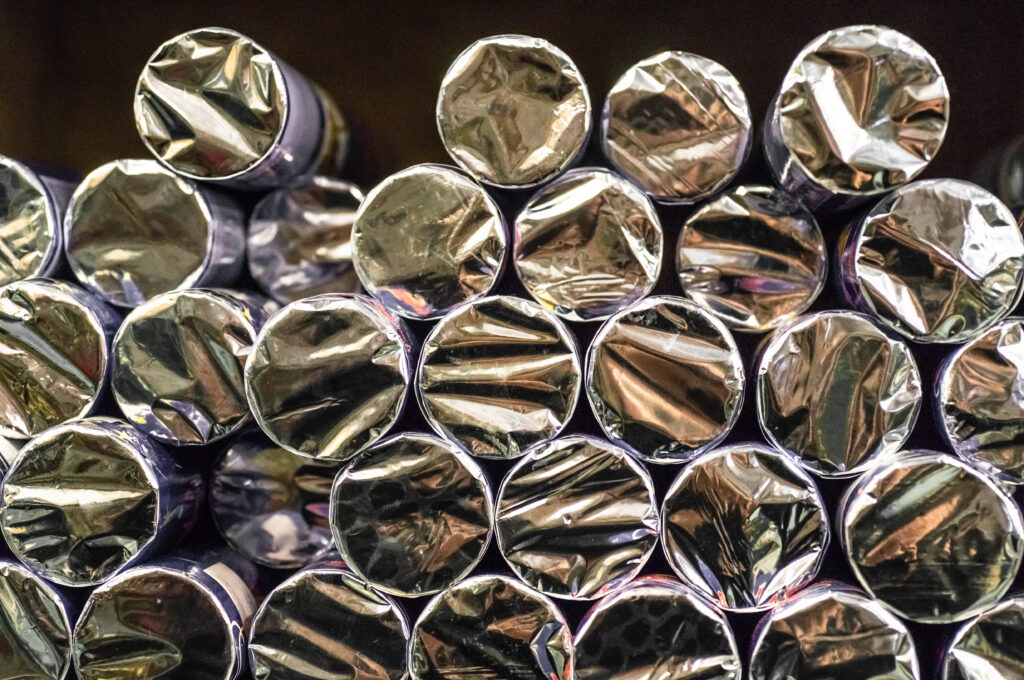
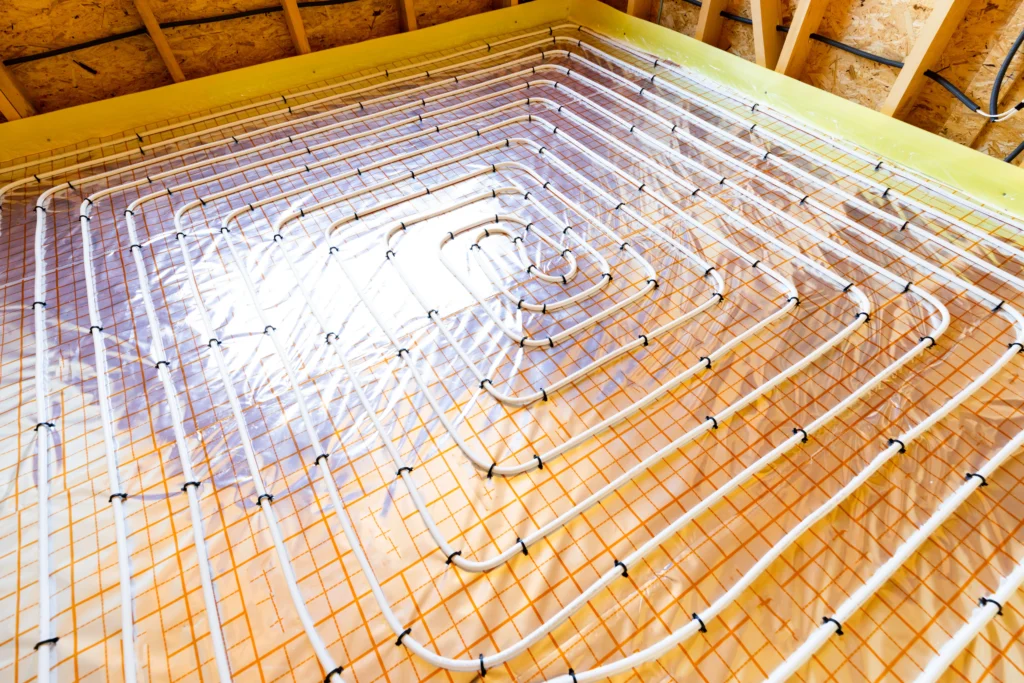
Reflective foil insulation, while effective in certain applications, has several notable disadvantages. Its primary limitation is that it only works effectively when facing an open air space, as it relies on reflecting radiant heat. If installed incorrectly or compressed, its performance drops significantly. It offers minimal resistance to conductive heat flow (low R-value) on its own and provides no inherent air sealing. It can also be prone to condensation issues if not paired with proper vapor barriers, potentially leading to mold or corrosion. Furthermore, it is easily torn or damaged during installation and is generally less effective in colder climates where conductive and convective heat loss are more dominant than radiant heat gain.
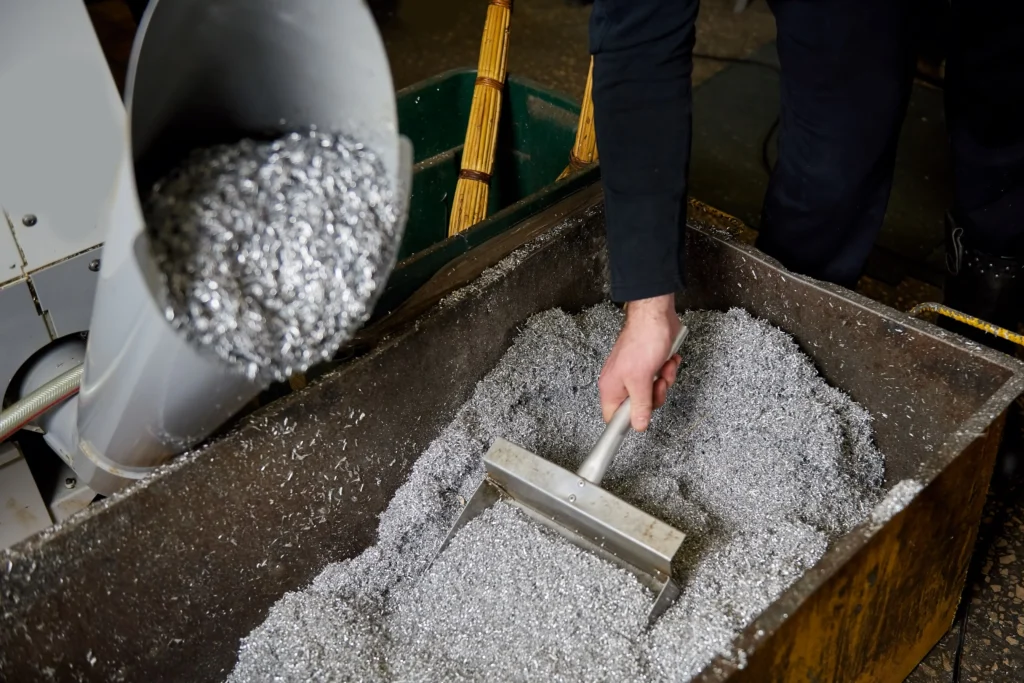
Reflective insulation, often called radiant barrier insulation, is designed to reduce heat transfer by reflecting radiant heat away from living spaces. It works effectively in specific applications, particularly in hot climates where blocking radiant heat from the sun is crucial, such as in attics. The material typically consists of a shiny aluminum foil layer laminated to paper or plastic, and its performance depends on proper installation with an air gap facing the heat source. While it doesn't replace traditional bulk insulation like fiberglass for conductive heat resistance, it can complement existing systems to improve overall energy efficiency. Industry standards confirm its effectiveness for reducing cooling costs when installed correctly, but its benefits are less pronounced in colder climates where retaining heat is the primary goal.
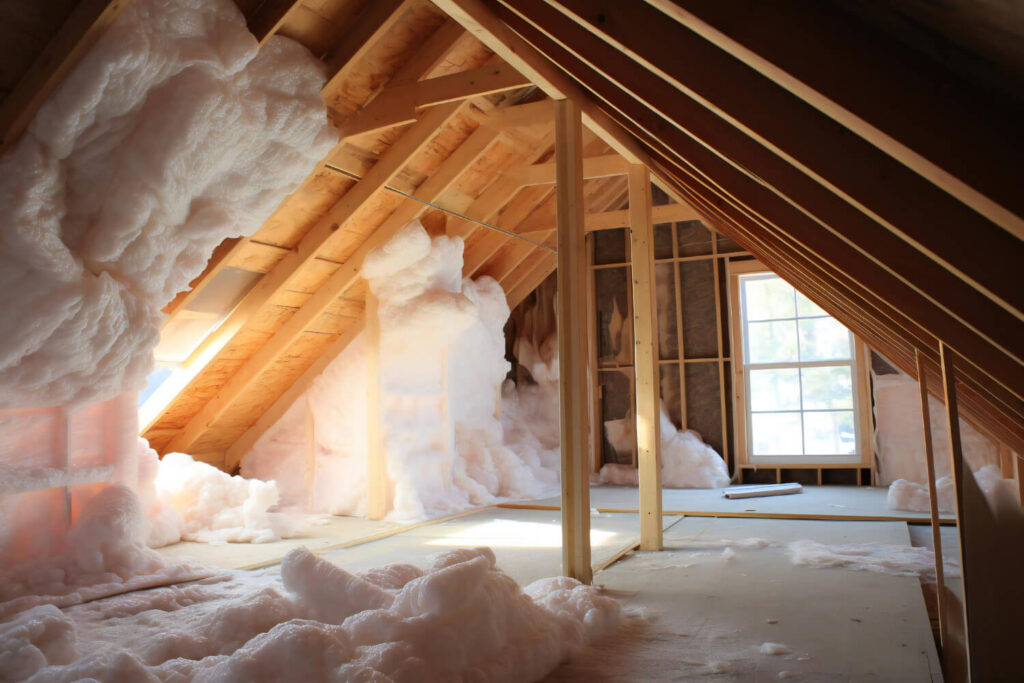
People are removing spray foam insulation primarily due to improper installation, which can lead to significant problems. If not mixed or applied correctly, the foam may fail to cure fully, releasing unpleasant and potentially harmful volatile organic compounds (VOCs) into the indoor air. This can cause persistent odors and health concerns. Another major reason is moisture entrapment; if spray foam is applied to a roof deck or in walls with existing or future leaks, it can trap moisture against wood, leading to hidden rot and structural damage that is costly to repair. In some cases, removal is necessary to address these moisture issues or to facilitate other renovations. Homeowners should always hire certified, experienced professionals for both installation and any necessary remediation.
The cost to insulate a 1000 sq ft area varies significantly based on the insulation type, material, and labor. For a standard attic or walls, you can expect a broad range. Using common materials like fiberglass batts, costs might average between $1,000 to $2,500 for a DIY project. For professional installation of higher-performance materials like spray foam or cellulose, the price can range from $1,500 to $4,000 or more. Key factors influencing cost include the R-value (thermal resistance) required for your climate zone, the accessibility of the space, and whether old insulation needs removal. It is crucial to get multiple detailed quotes from certified professionals who assess your specific needs, as proper installation is vital for energy efficiency and performance.
20 reviews