Houston, TX Air Duct Cleaning Service & Insulation | Atticair
Reflective insulation, while effective in blocking radiant heat, has several notable disadvantages. Its primary limitation is that it only addresses radiant heat transfer and does not provide significant resistance to conductive or convective heat flow. This makes it less effective in climates where all three heat transfer modes are significant unless combined with other insulation types like bulk materials. Its performance is also highly dependent on having a facing air gap; if this gap is compromised by dust, debris, or compression, its effectiveness plummets. Furthermore, it offers no inherent soundproofing qualities. In attics or walls, improper installation can lead to condensation issues if not paired with appropriate vapor barriers, as the reflective surface can become a point for moisture accumulation. For whole-home efficiency, it is often best used as part of a hybrid system.
Reflective insulation is generally considered a cost-effective option compared to many traditional bulk insulation materials like fiberglass or spray foam. The material itself, often composed of aluminum foil laminated to paper or plastic, is typically less expensive per square foot. However, the true cost includes professional installation, which is crucial for achieving the proper air gaps necessary for it to work effectively. For many applications, especially in hot climates or for blocking radiant heat in attics and walls, its performance can lead to significant long-term energy savings, offsetting the initial investment. It is not usually the most expensive insulation choice, but optimal value comes from using it correctly for its specific purpose of reflecting radiant heat.
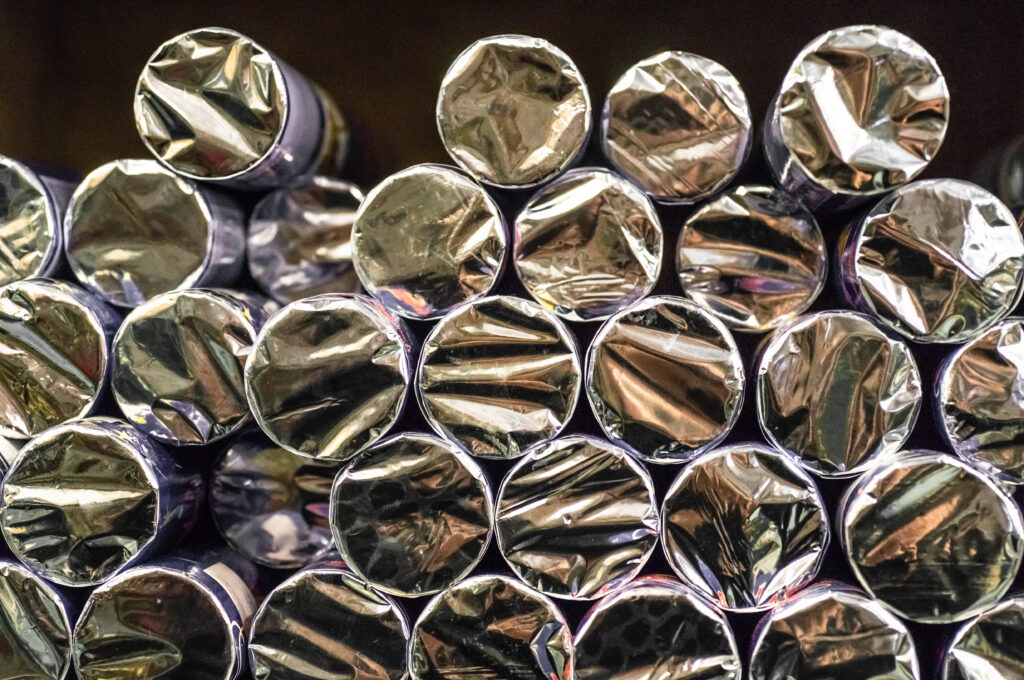
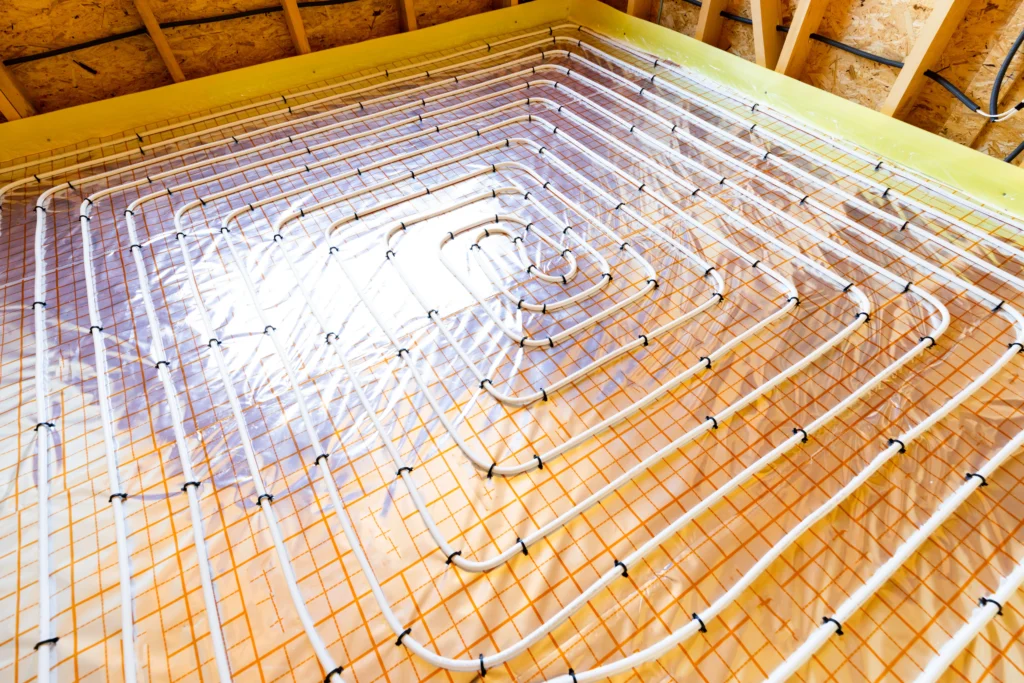
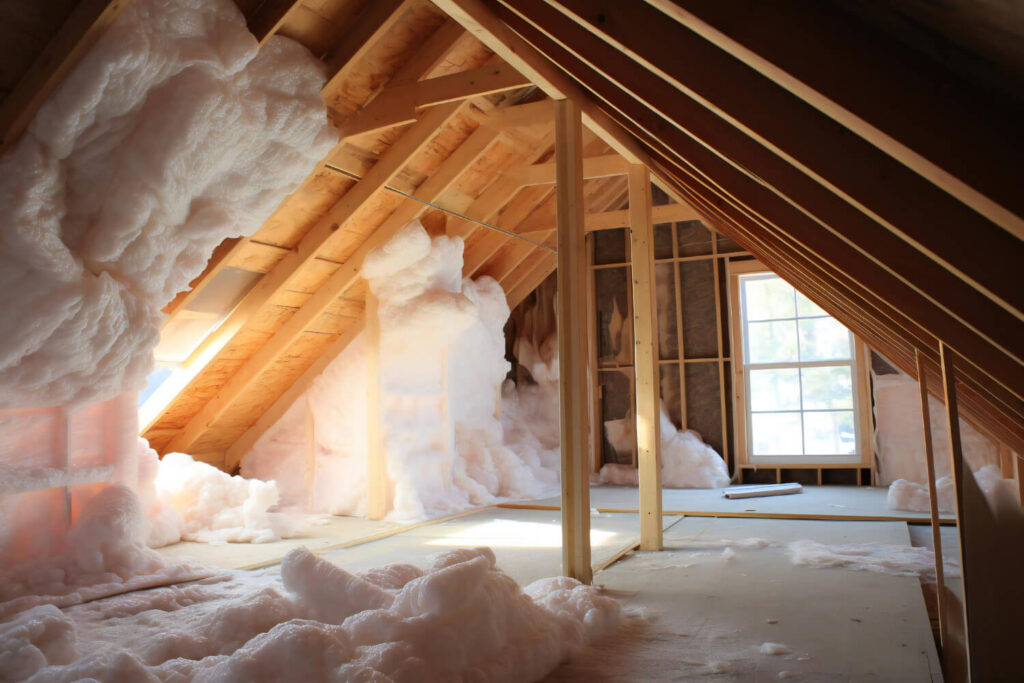
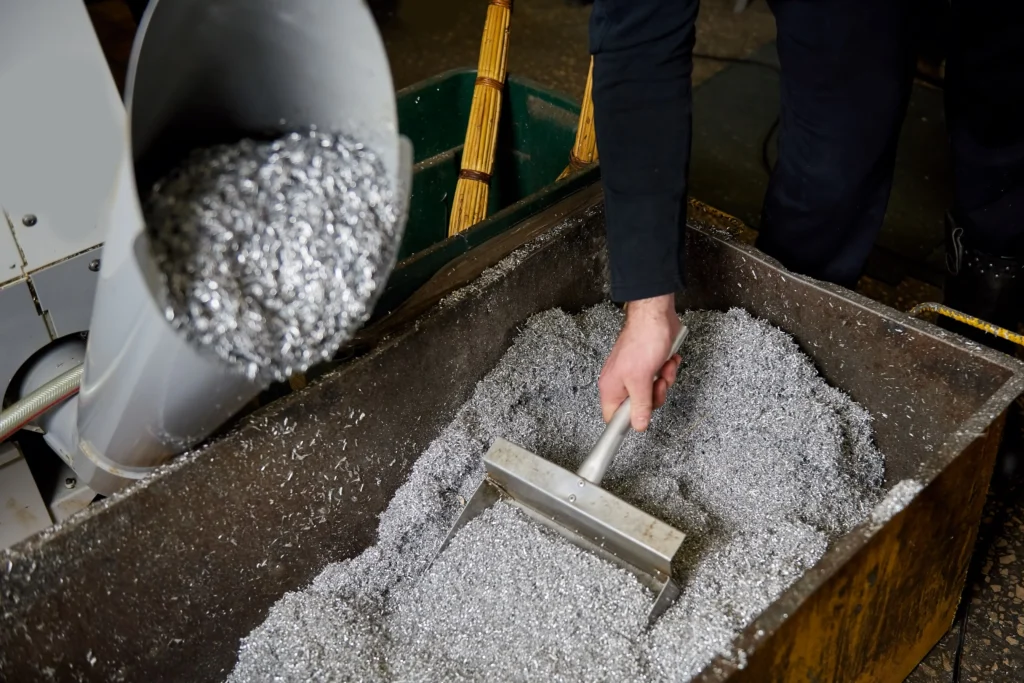
Reflective insulation, often called radiant barrier insulation, is designed to reduce heat transfer by reflecting radiant heat rather than absorbing it. It is typically made from aluminum foil laminated to paper or plastic and is most effective in blocking radiant heat in attics, walls, and under floors. Its performance is highly dependent on proper installation; it requires an air gap facing the heat source to reflect thermal radiation effectively. In hot climates, it can significantly reduce cooling costs by keeping attics cooler. However, it is not a replacement for traditional bulk insulation like fiberglass or cellulose, which resist conductive and convective heat flow. For optimal energy efficiency, reflective insulation is best used in combination with other insulation types, following local building codes and manufacturer specifications.
Radiant barriers can be a worthwhile investment for many homes in Houston due to the intense, direct sunlight and high summer temperatures. The primary function is to reflect radiant heat away from the attic, preventing it from being absorbed into the living spaces below. This can significantly reduce the cooling load on your air conditioning system, potentially lowering energy bills by 5% to 10% during the hottest months. For optimal effectiveness, it must be installed correctly with an air gap facing the attic space. However, its value depends on your home's specific characteristics, such as existing insulation levels and attic ventilation. In a hot climate like Houston, pairing a radiant barrier with adequate traditional insulation often provides the best overall thermal performance and comfort.
20 reviews