Houston, TX Air Duct Cleaning Service & Insulation | Atticair
Reflective foil insulation, while effective in certain applications, has several notable disadvantages. Its primary limitation is that it only works effectively when facing an open air space, as it relies on reflecting radiant heat. If installed incorrectly or compressed, its performance drops significantly. It offers little to no resistance to conductive heat flow on its own, so it is often less effective in cold climates where conductive insulation like fiberglass or foam is superior. It can also be prone to condensation issues if not paired with a proper vapor barrier, potentially leading to mold or corrosion. Furthermore, installation can be challenging, as the foil must be kept clean and free of dust to maintain its reflectivity, and it requires meticulous sealing at seams to be fully effective.
Reflective insulation can be a worthwhile investment in specific climates and applications. Its primary function is to radiant heat transfer, which is most effective in hot, sunny climates where it reflects solar heat away from a building's attic or walls. It is typically installed with an air gap to function properly. For standard residential attics in mixed climates, combining reflective insulation with traditional bulk insulation like fiberglass or cellulose often yields the best overall thermal performance and energy savings. Its value depends on your local climate, existing insulation, and installation correctness. A professional energy audit is recommended to determine if it's a cost-effective solution for your specific home.
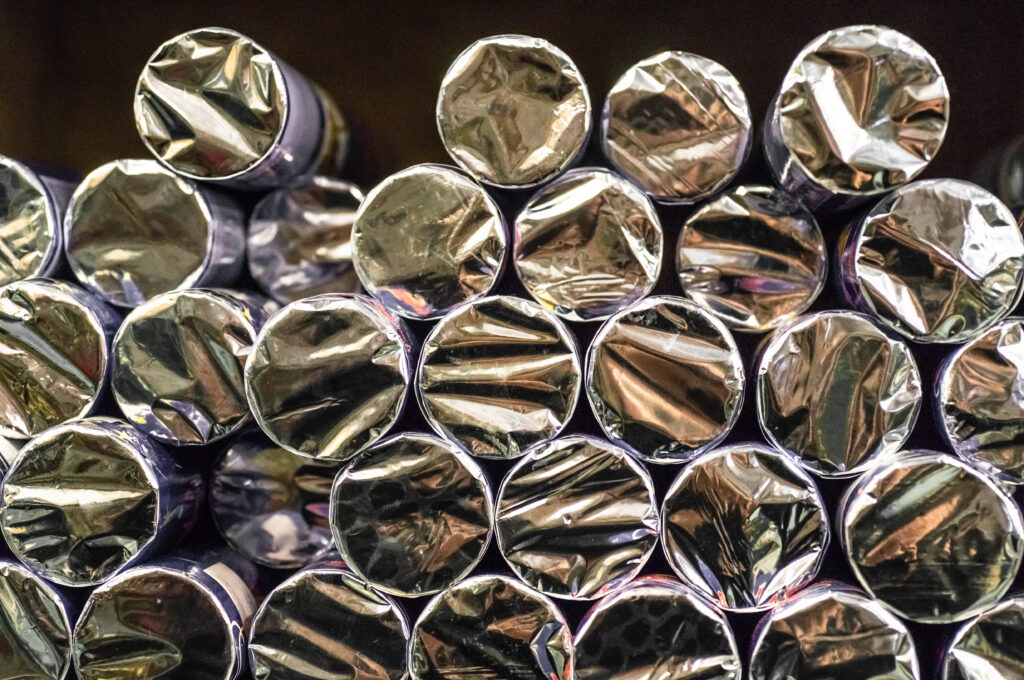
Reflective insulation is generally considered a cost-effective option compared to many traditional bulk insulation materials like fiberglass or spray foam. The material itself, often composed of aluminum foil laminated to paper or plastic, is relatively inexpensive to manufacture. However, the total installed cost can vary based on the specific product, the complexity of the installation, and whether it is used alone or as part of a hybrid system. For radiant heat control in attics, walls, or crawlspaces, its performance per dollar can be very high. While not the absolute cheapest material upfront, its durability and effectiveness at blocking radiant heat often provide excellent long-term value and energy savings, making it a smart investment for many homes.
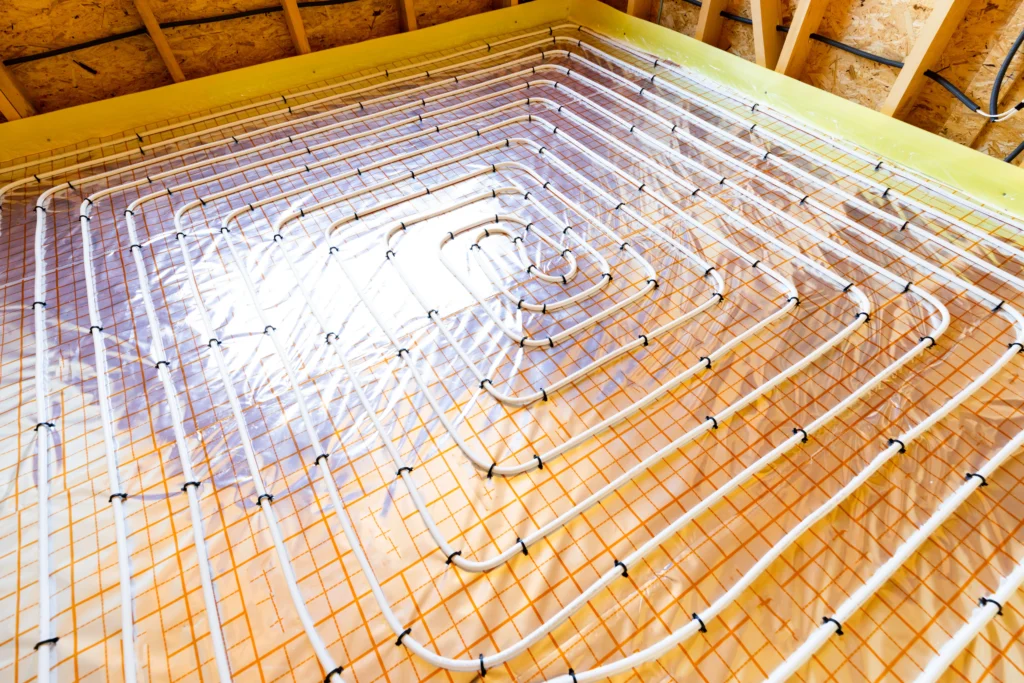
Reflective insulation, often called radiant barrier insulation, operates on the principle of reducing radiant heat transfer. Its effectiveness depends on following key rules during installation. A fundamental requirement is that the reflective surface must face an air space of at least 3/4 of an inch; it loses most of its value if installed flat against another material like plywood or drywall. The material must remain clean and dust-free, as dust accumulation significantly reduces its reflectivity. It is also crucial that the reflective side faces the primary heat source—typically downward toward the living space in attics to reflect summer heat, or upward in certain wall applications. Proper sealing of seams and overlaps with appropriate foil tape is essential to maintain a continuous radiant barrier. Professional installation ensures these rules are met for optimal energy efficiency and compliance with building codes.
Residential reflective insulation in Missouri City, Texas, is an effective solution for managing heat gain and improving energy efficiency in homes. This type of insulation works by reflecting radiant heat away from living spaces, which is particularly beneficial in the region's hot and humid climate. Properly installed in attics, walls, or under roofs, it can significantly reduce cooling costs and enhance indoor comfort. It's crucial to ensure the insulation has an appropriate air gap and is installed correctly to function optimally. Homeowners should consult with a professional insulation contractor to assess their specific needs, ensure compliance with local building codes, and integrate it with existing insulation for a comprehensive thermal barrier.
20 reviews