Houston, TX Air Duct Cleaning Service & Insulation | Atticair
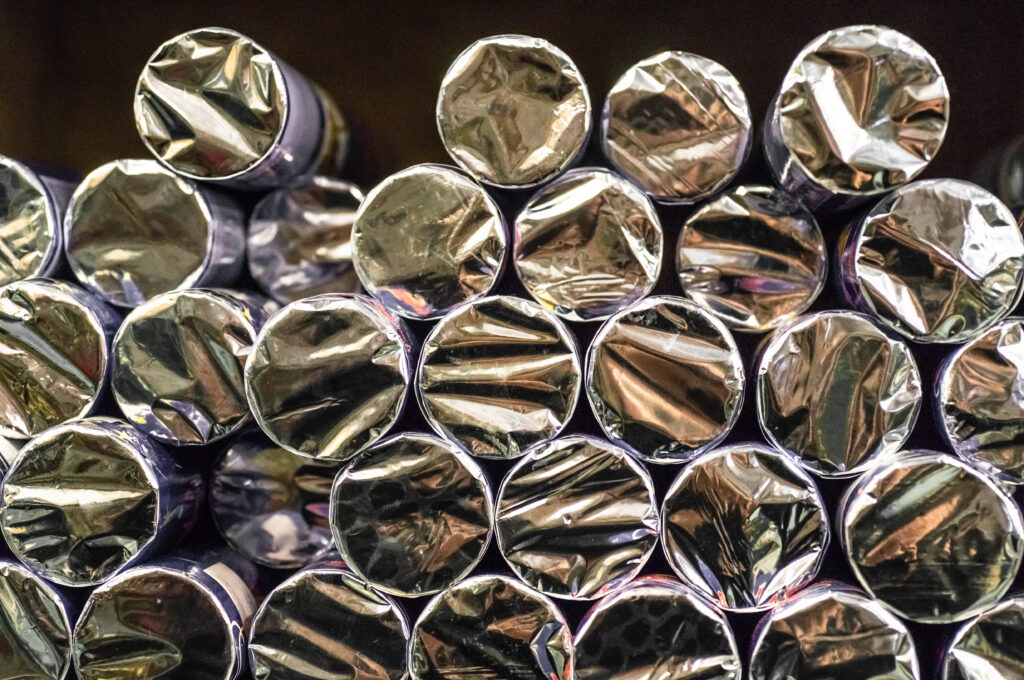
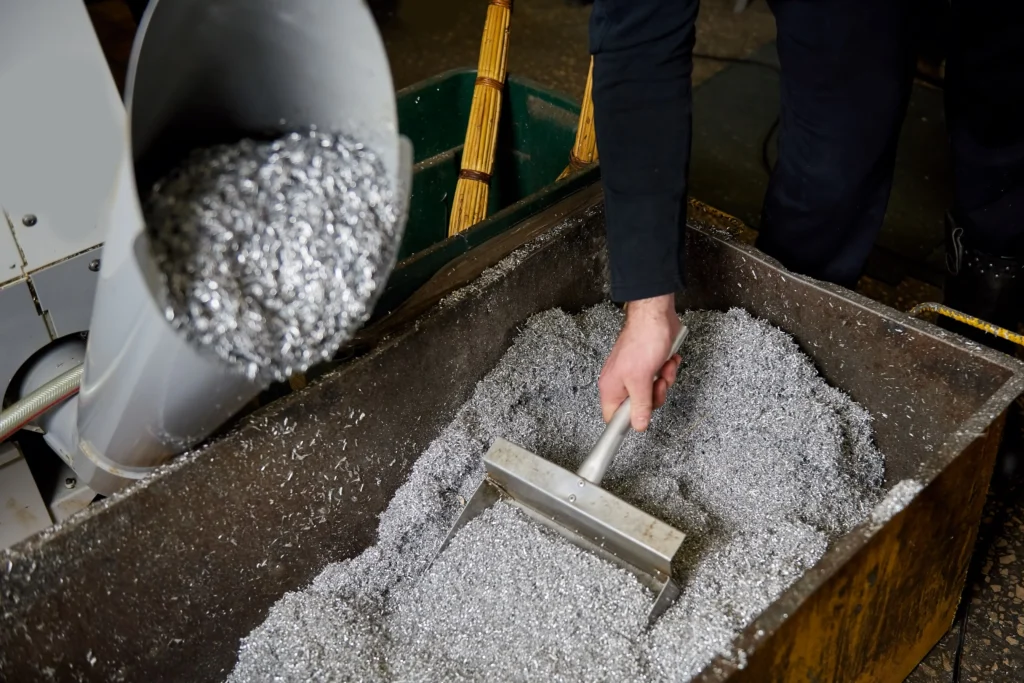
Reflective insulation, often called radiant barrier insulation, follows specific rules for effective installation. It must face an air gap of at least 3/4 inch to function properly, as it works by reflecting radiant heat, not by absorbing it. The reflective surface, typically aluminum foil, should be installed facing the heat source—like towards the attic space in hot climates to reflect summer heat away. It is crucial that the material remains clean and dust-free, as dust accumulation significantly reduces its reflectivity. For optimal performance, it is often used in conjunction with other insulation types like fiberglass or cellulose to address all forms of heat transfer (conduction and convection as well). Professional installation ensures proper sealing and placement to meet building code requirements.
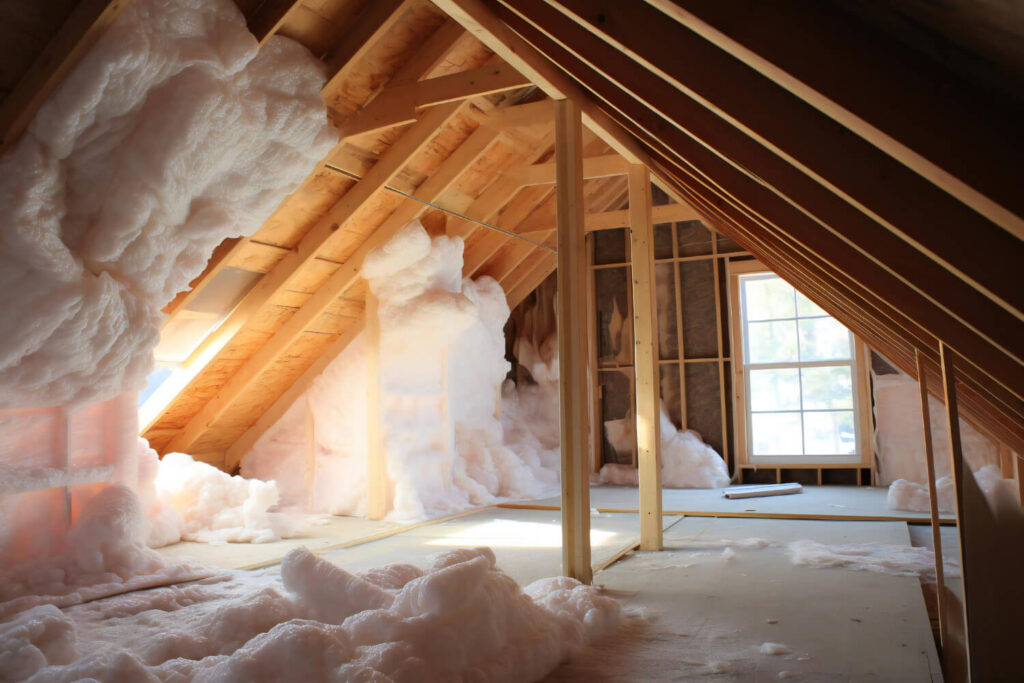
The term "code for insulation" in Texas typically refers to the state's energy code, which is based on the International Energy Conservation Code (IECC) with state-specific amendments. For residential buildings, the current Texas Energy Code adopts the 2021 IECC. Key requirements include prescribed R-values for insulation in attics, walls, and floors, which vary by climate zone. Most of Texas falls into Climate Zones 2 and 3, where attic insulation often requires an R-value of R-38 to R-60. It is crucial to consult the official Texas Administrative Code or local building departments, as some municipalities may have more stringent amendments. Proper installation per code is essential for energy efficiency, indoor air quality, and preventing moisture issues.
Reflective insulation, while effective in blocking radiant heat, has several notable disadvantages. Its primary limitation is that it only addresses radiant heat transfer and does not provide significant resistance to conductive or convective heat flow. This makes it less effective in climates where all three heat transfer modes are significant unless combined with other insulation types like bulk materials. Proper installation is critical; it requires an air gap to function, and any compression, dust accumulation, or improper sealing can drastically reduce its performance. It is also generally less effective in unconditioned spaces like attics without additional ventilation strategies. Furthermore, it offers no inherent soundproofing qualities and can be more vulnerable to damage from pests or physical impact compared to more robust materials like spray foam or batt insulation.
Reflective insulation, often called radiant barrier insulation, is designed to reduce heat transfer by reflecting radiant heat rather than absorbing it. It is most effective in hot climates or in attics and walls where it can face an air space, reflecting heat away from living spaces in summer and helping retain warmth in winter. Its performance is measured by its reflectivity and emissivity ratings; high-quality products can reflect up to 95% of radiant heat. However, it is not a standalone solution for all insulation needs. For optimal energy efficiency, it should be part of a comprehensive system that includes traditional bulk insulation like fiberglass or cellulose to address conductive and convective heat flow. Proper installation is crucial, as dust accumulation or improper placement can significantly reduce its effectiveness. Consulting with a professional, like those at Atticair, ensures it is correctly integrated into your home's insulation strategy.
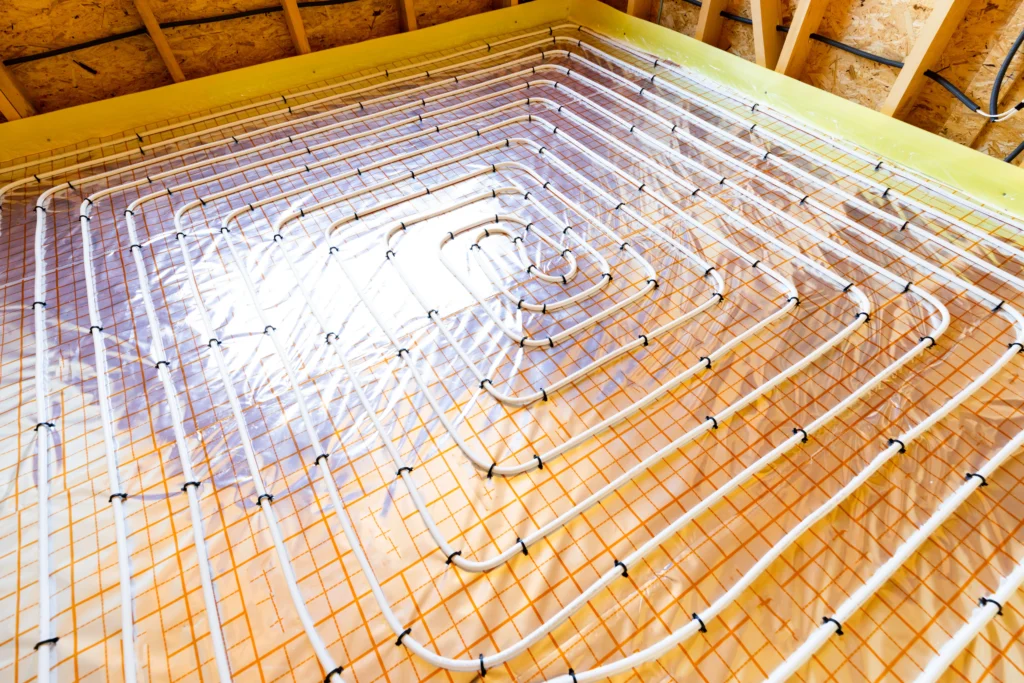
Residential reflective insulation is a highly effective solution for Texas homes, especially given the state's intense heat and sun exposure. This type of insulation works by reflecting radiant heat away from the living space, rather than just slowing its transfer. It is often installed in attics, typically under the roof rafters, to prevent solar heat from penetrating into the home. This can significantly reduce cooling loads and lower energy bills. When properly installed with an air gap, reflective insulation like radiant barriers meets and often exceeds local building codes. For optimal performance in Texas's climate, it should be part of a comprehensive approach that includes adequate traditional insulation and a well-sealed building envelope to manage both radiant and conductive heat gain.
For homes in Texas, radiant barrier insulation is highly effective due to the intense sun and heat. This type of insulation features a reflective surface, typically aluminum foil, that is installed in attics to reflect radiant heat away from the living space. It is most effective when installed with an air gap facing the heat source. When combined with proper traditional insulation like fiberglass or cellulose, it can significantly reduce cooling costs. For optimal performance, ensure installation is handled by professionals who follow industry standards for placement and ventilation, as improper installation can trap moisture and reduce effectiveness. This system is a key component for energy efficiency in Texas climates.
Reflective insulation is a popular choice in Texas due to its effectiveness in blocking radiant heat, which is a major component of the state's intense summer sun. The cost for reflective insulation installation in Texas typically ranges from $1.50 to $3.50 per square foot, depending on the specific product, the size and complexity of the area, and labor rates. For a standard attic, total costs often fall between $1,500 and $3,500. This type of insulation works by reflecting heat away from the living space, making it highly efficient for hot climates. It is often installed in attics, often alongside other insulation types for a comprehensive thermal barrier. Professional installation is recommended to ensure proper air gaps are maintained, which are critical for the material's reflective performance.
20 reviews